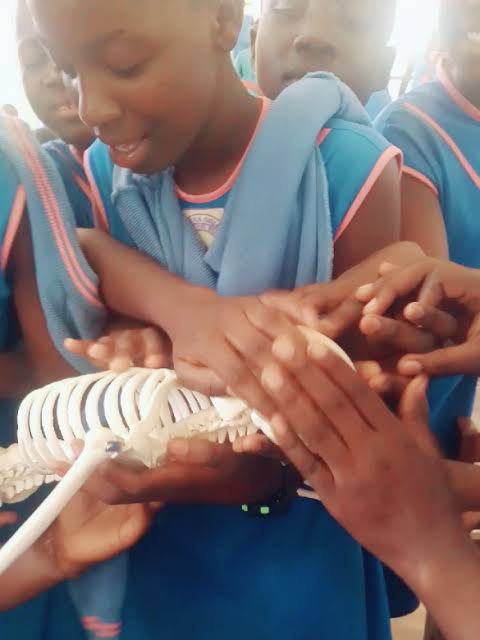
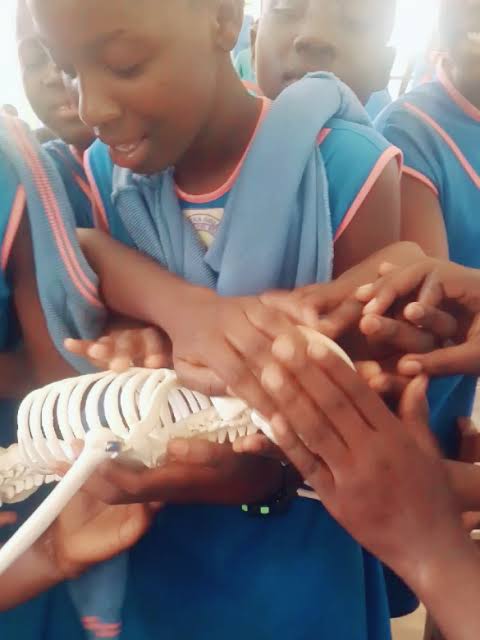
For decades, science education in several schools across Teso has been limited by a lack of practical learning resources, leaving many learners to rely on theory and textbook explanations to grasp complex scientific concepts. Experiments and demonstrations, critical to understanding science—were often absent from classrooms.
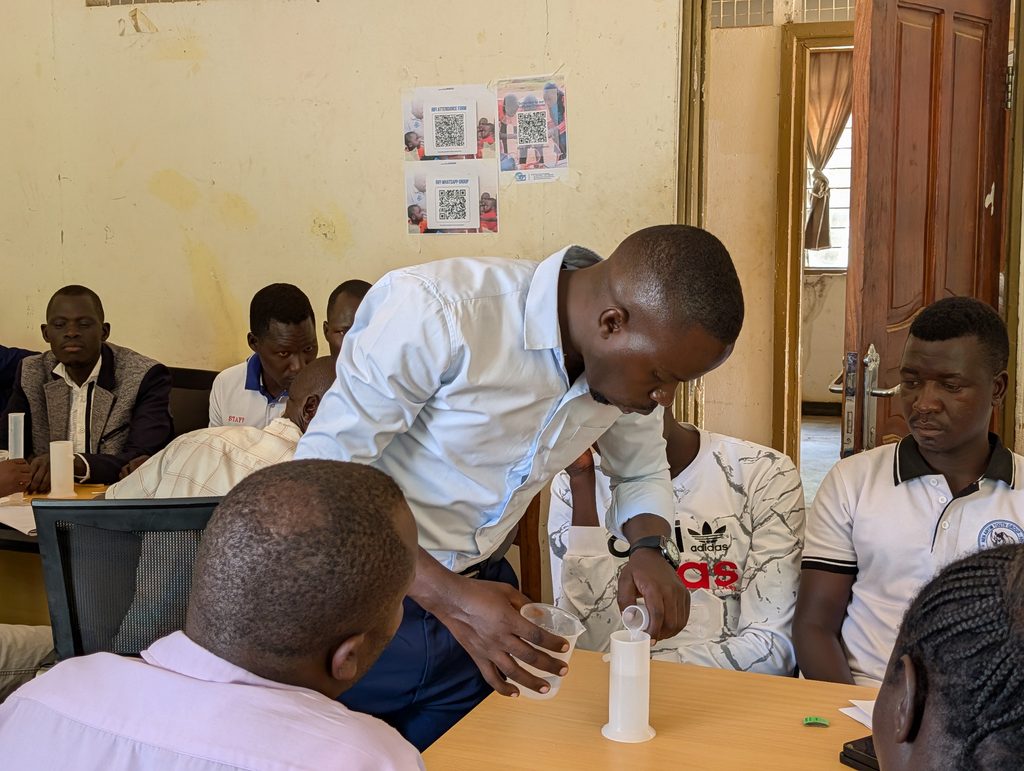
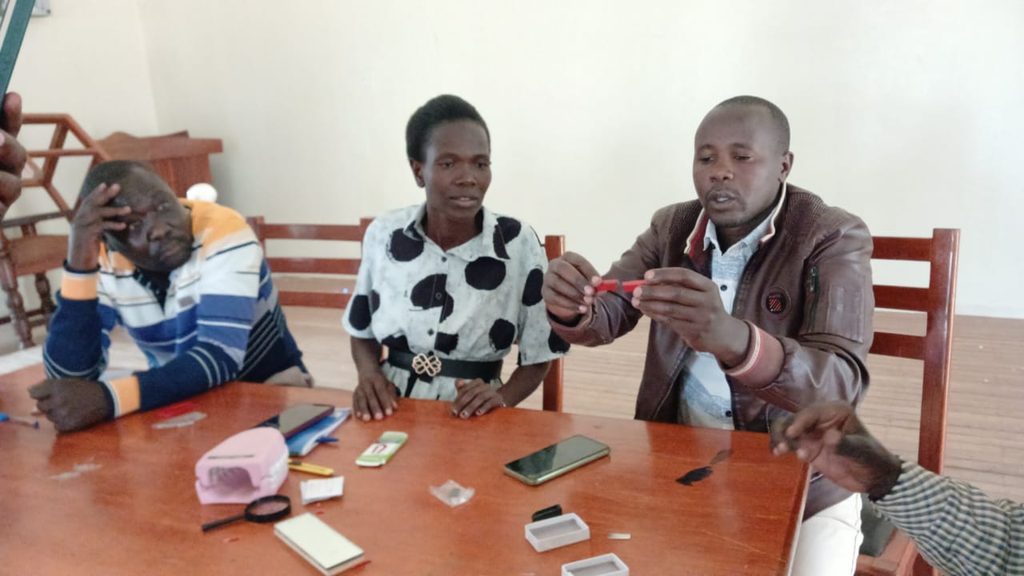
This narrative is now changing with the introduction of mini-science laboratories in schools such as Madera Girls’ Boarding Primary School. The initiative is bringing science to life, allowing pupils to actively engage in experiments and hands-on demonstrations as part of their daily learning.
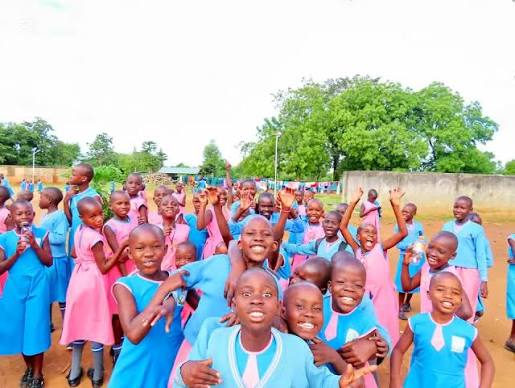
According to the headteacher, the mini-laboratories have transformed how learners experience science. Concepts that once felt distant and abstract are now tangible and easier to understand. “The kits have brought practical science closer to the learners,” the headteacher noted. “Previously, they studied things they had never seen. Now they can touch, feel, and experiment.”
The impact is already visible. Teachers report increased attentiveness during lessons, with learners showing greater enthusiasm and participation. “When it is time for science, and even other lessons, every child is attentive and ready to learn,” one teacher shared. The school is optimistic that this improved engagement will not only boost academic performance but also increase enrolment as more parents seek quality education for their children.
However, educators emphasize that more needs to be done. They are calling for the expansion of the mini-laboratory initiative and increased supply of learning materials to ensure that more pupils can benefit from practical science education. “This year, we have fully implemented the use of the kits, and we believe we shall excel even more,” a teacher added. “The learners are actively participating, and their interest in learning has greatly increased because it involves all five senses, touching, seeing, and doing.”
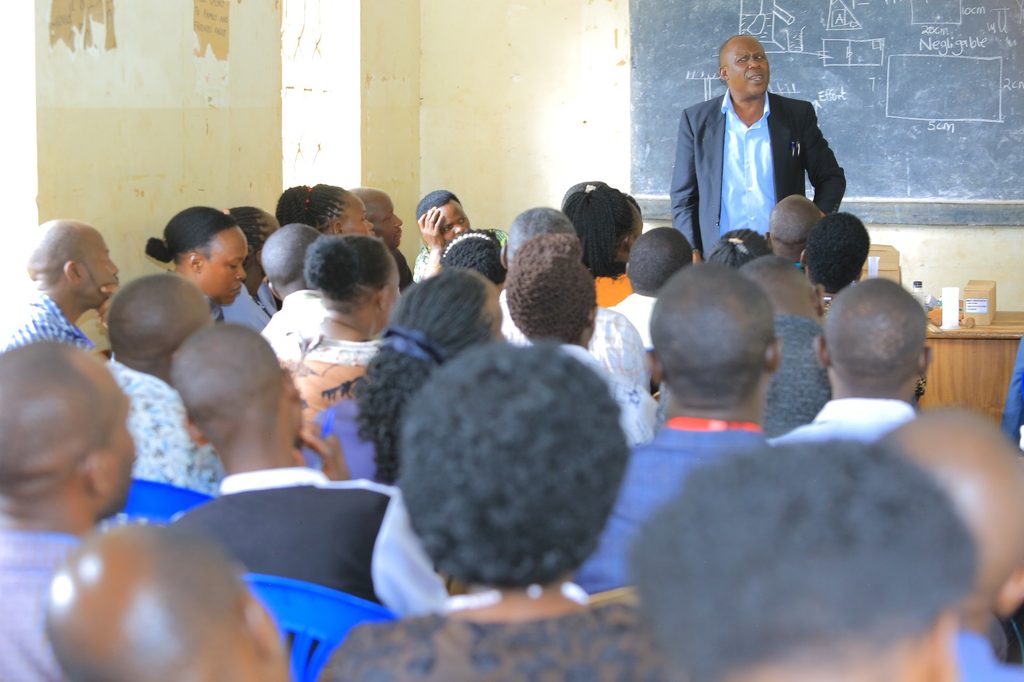
Riverflow International, the organization behind the initiative, says the programme is designed to transform science learning by shifting from abstract teaching methods to hands-on experiences. The approach not only simplifies teaching but also enables teachers to cover content more efficiently while strengthening learners’ understanding.
“Through our partnership with schools like Madera Girls’, learners are now able to understand science in the simplest way,” a representative from Riverflow International explained. “Teachers have access to practical instructional materials that make teaching easier, faster, and more effective, while learners gain skills in curiosity, innovation, and problem-solving.”
As more schools embrace this approach, the mini-science laboratories are proving that it is not too late to improve the quality of science education. With continued investment and expansion, they have the potential to reshape how science is taught and learned across the region.