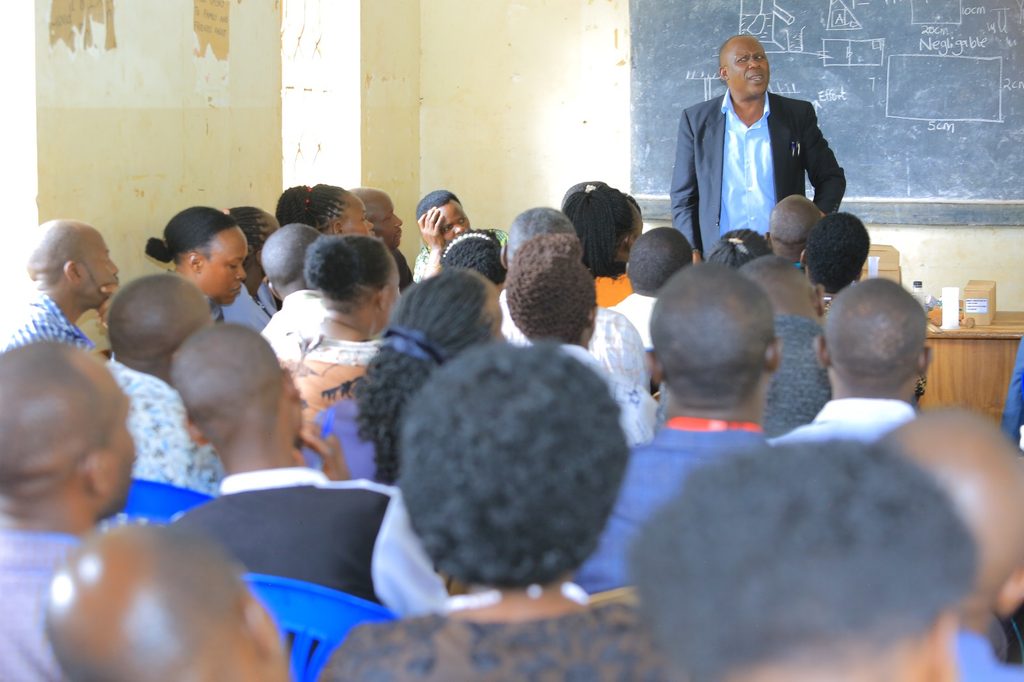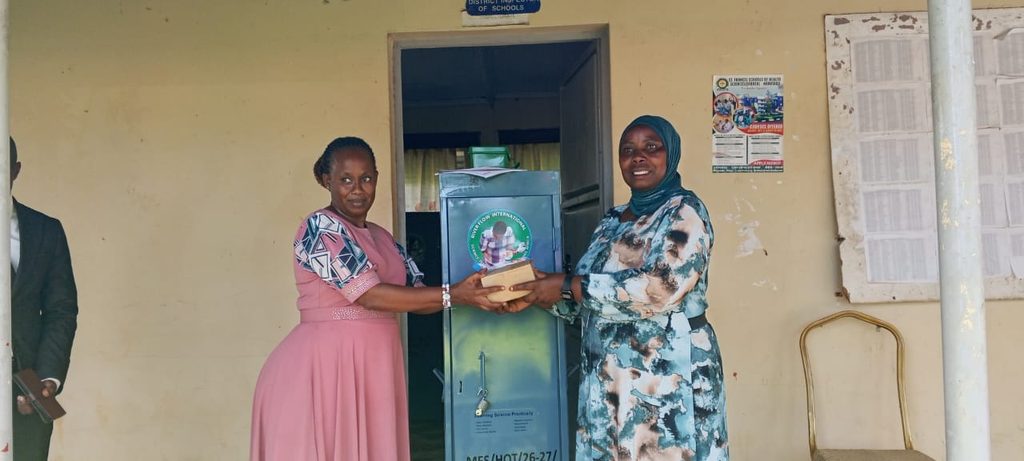
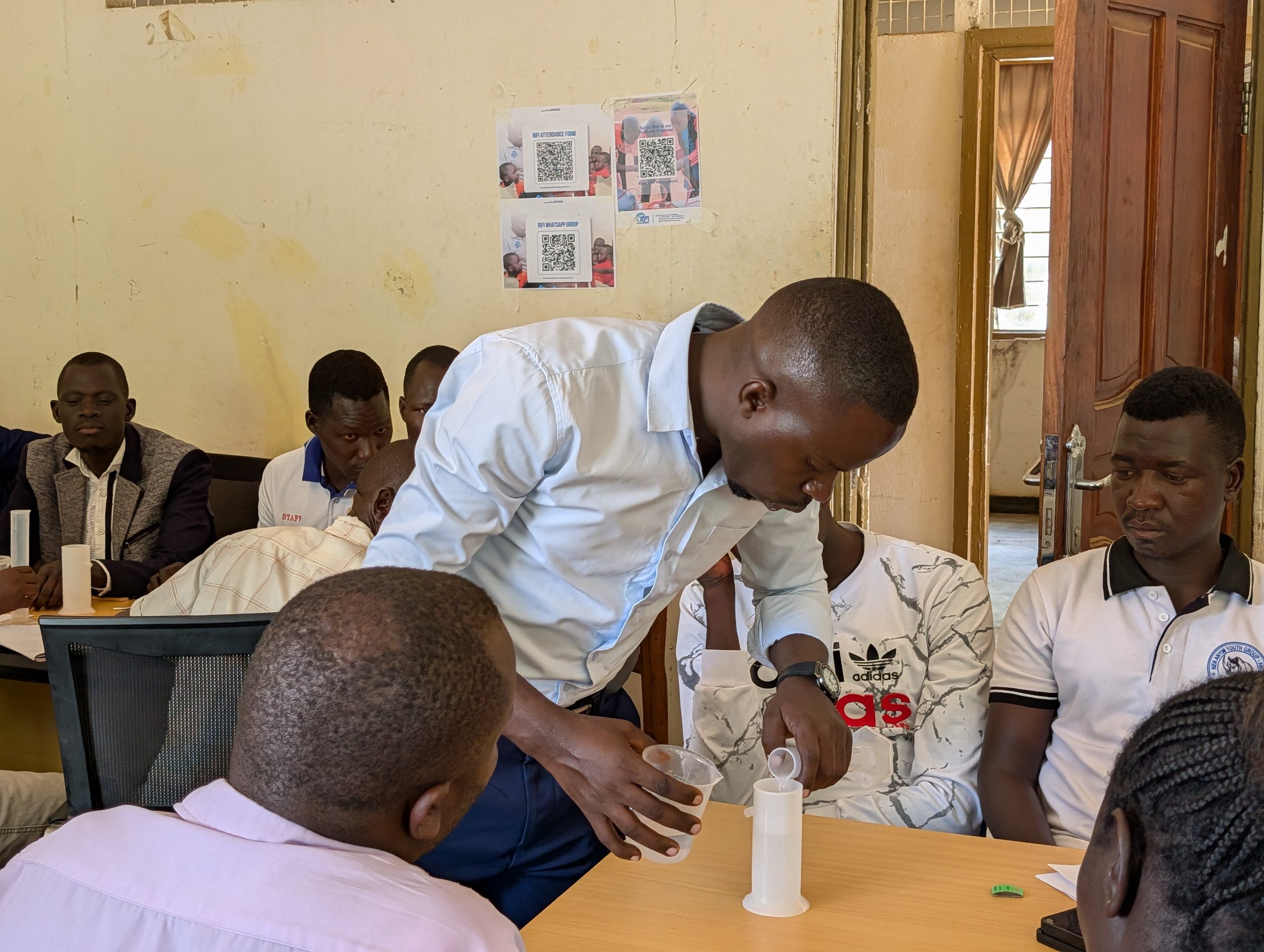
KARAMOJA, Uganda – Primary school learners across Karamoja are set to benefit from more practical, engaging and interactive science lessons following the training of 171 teachers and education leaders from Moroto, Abim, Nabilatuk, Nakapiripirit and Kotido in the effective use of Primary Science Kits. The Ministry of Education and Sports (MoES) is spearheading the initiative and overseeing the provision of science kits to schools, while River Flow International (RIFI) is supporting implementation through hands-on teacher training to strengthen the effective use of the learning materials in classrooms.
The initiative seeks to bridge the gap between theoretical teaching and practical learning by equipping teachers with the skills and resources to bring science concepts to life. For learners who have long depended on textbook illustrations, charts and verbal explanations, the science kits offer opportunities to observe, handle and experiment with learning materials, strengthening understanding, curiosity, creativity and problem-solving skills.
For years, science teachers in many primary schools across Karamoja have faced challenges teaching complex concepts due to limited access to practical learning materials and inadequate opportunities to demonstrate scientific processes. As a result, some lessons have relied heavily on verbal explanations, textbook illustrations and drawings on charts, making it difficult for learners to visualise and understand abstract scientific concepts.
The introduction of the Primary Science Kits is expected to address these challenges by providing materials that enable teachers to demonstrate scientific principles and actively engage learners in the learning process.
The kits contain a range of materials for teaching science from Primary Four to Primary Seven, covering topics such as electricity, magnetism, measurement, light and first aid. They also provide specialised learning materials that may be difficult for teachers to improvise or readily access within their communities.
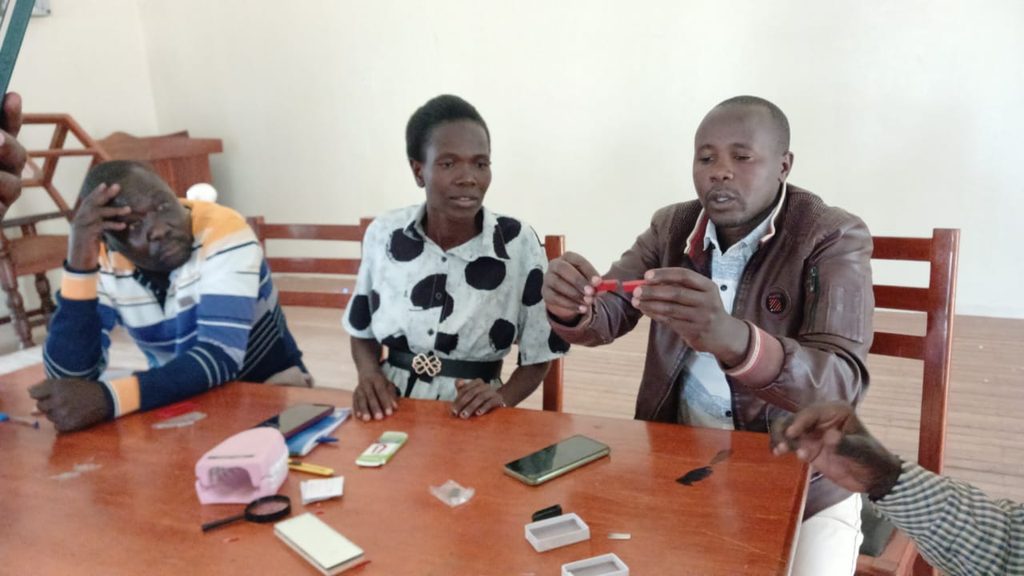
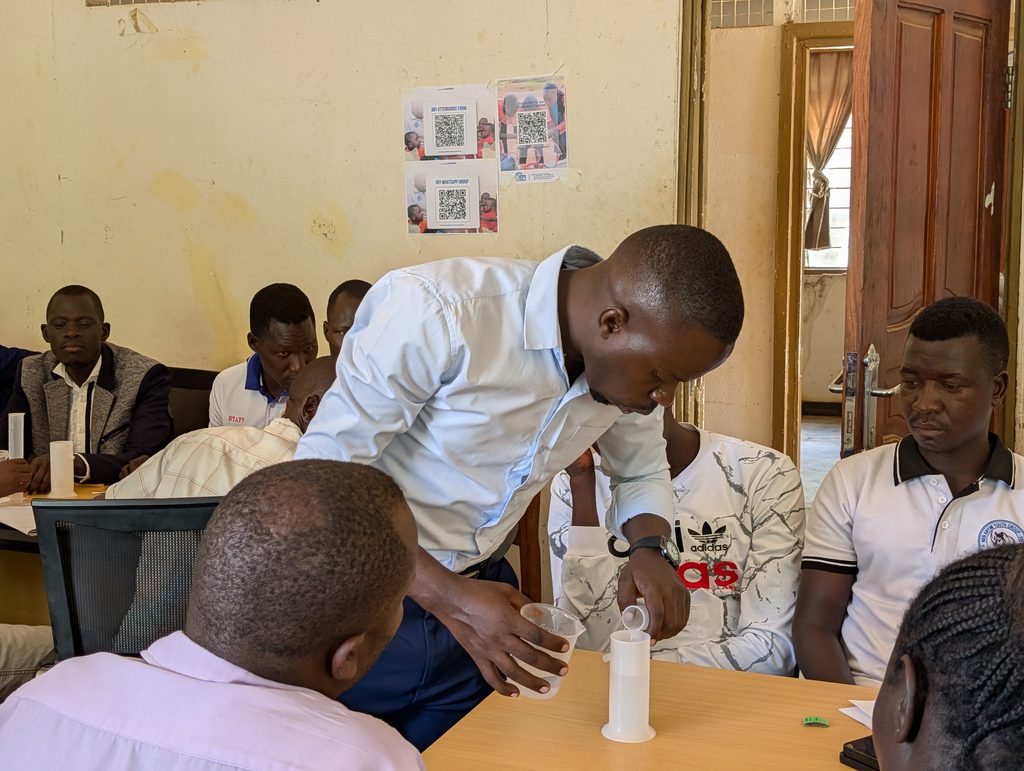
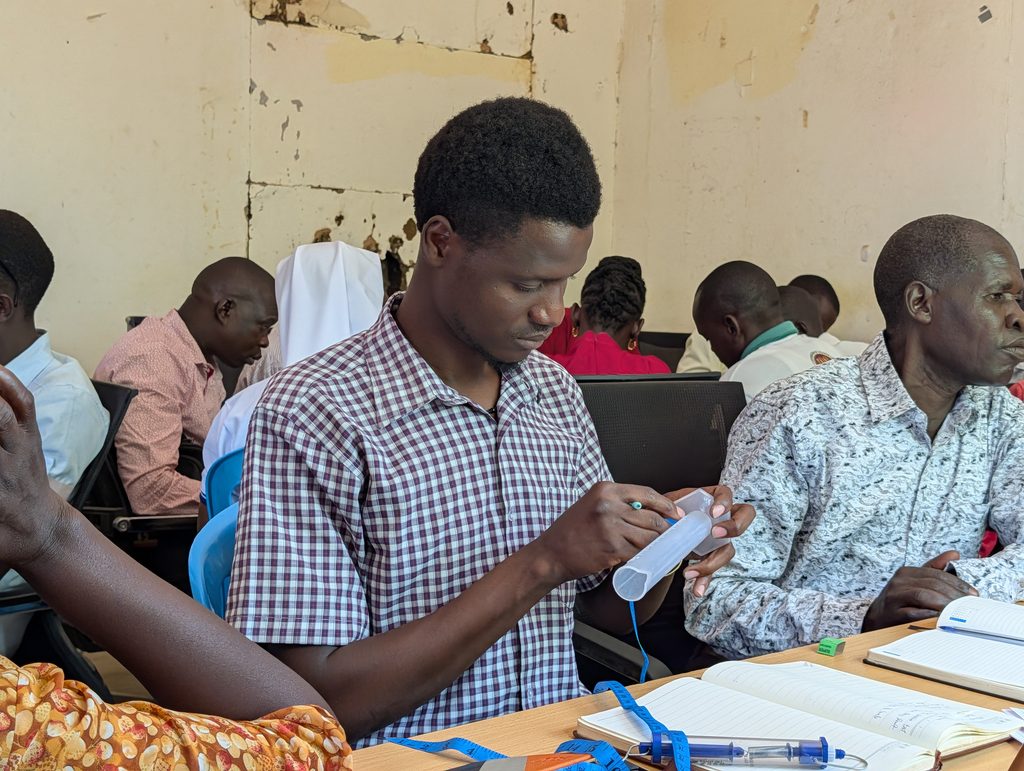
During the training, teachers were guided on how to use the different materials to demonstrate scientific concepts, conduct practical experiments and encourage learners to explore scientific ideas through observation and participation.
Education leaders also received guidance on supervising the use and management of the kits to ensure that the materials are properly utilised, maintained and made available to teachers whenever needed.
The practical sessions gave participants an opportunity to familiarise themselves with the materials and understand how to integrate them into classroom instruction. Teachers were encouraged to allow learners to touch, observe, experiment and draw their own conclusions rather than relying solely on notes and verbal explanations.
One of the teachers welcomed the initiative, noting that the science kits would make lessons more practical and improve learners’ understanding of concepts that were previously difficult to explain using charts and drawings alone.
“After receiving these kits, the teaching of science is going to become more practical. Children will be involved in touching, seeing and feeling things for themselves,” the teacher said.
Another teacher observed that the materials would simplify lesson delivery, save time and encourage learners to participate more actively.
“With these materials, learners will be able to see what we are teaching, touch the models and make their own observations and notes instead of simply receiving notes from the teacher,” the teacher explained.
The training is expected to strengthen teachers’ confidence in delivering science lessons, while fostering curiosity, creativity, innovation and problem-solving among learners. By introducing more practical activities into the classroom, the initiative seeks to help pupils develop scientific knowledge and skills that can support their future education and everyday lives.
Teachers also called for continued government support through additional training opportunities to help them improve their teaching practices and effectively use the available learning resources.
Karamoja, like several other regions in Uganda, continues to face education challenges that require sustained investment in teaching resources, teacher development and learner-centred approaches. Strengthening practical science education is an important step towards improving learners’ understanding of scientific concepts and preparing them for future opportunities in science, technology and innovation.
Through its partnership with the Ministry of Education and Sports, River Flow International continues to support efforts to improve science education by equipping teachers with practical teaching skills and promoting the effective use of innovative learning materials.
The training of 171 teachers across the five districts marks another step towards making science more accessible, engaging and practical for primary school learners in Karamoja, while laying a stronger foundation for improved learning outcomes and a more innovative generation of Ugandans.