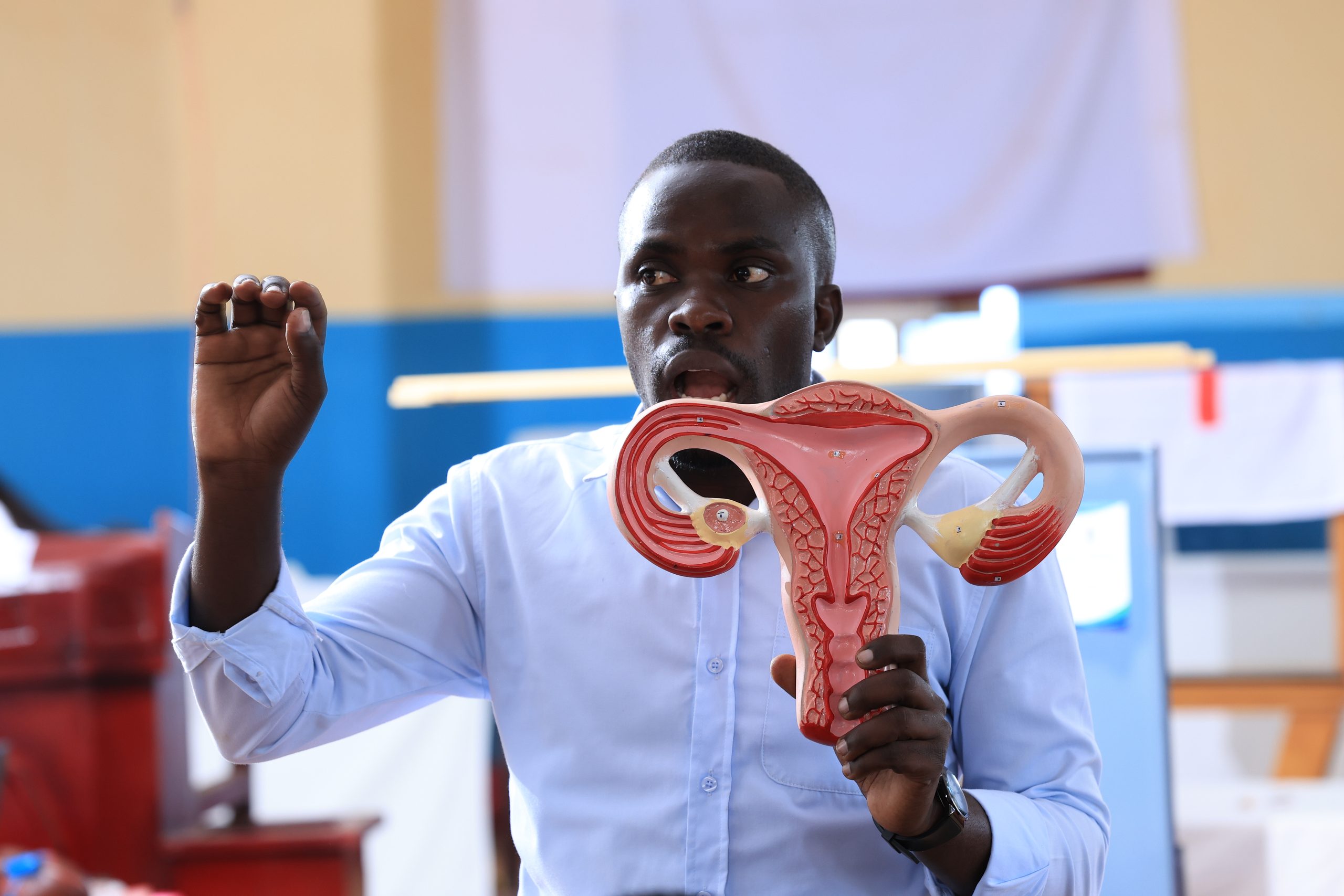

The drive to transform science education in Uganda continues to gain momentum as River Flow International (RIFI), through its teacher capacity building programme, engages primary school teachers in practical training aimed at strengthening the effective utilisation of science learning materials in schools.
On Thursday, 12 November 2026, River Flow International conducted a teacher training and science kit utilisation engagement at Mayuge Municipal Council Primary School in Mayuge District, bringing together 42 participants representing 23 schools. The engagement focused on equipping teachers with practical knowledge and skills to effectively use science teaching materials, bridge gaps in classroom instruction, and create more interactive learning experiences for primary school learners.
The training comes at a critical time when improving the quality of science education requires more than the availability of learning materials. Teachers must also possess the knowledge, confidence and practical skills to integrate these resources into everyday classroom instruction.
Addressing the Gap Between Science Kit Distribution and Utilisation

Mayuge District has made progress in expanding access to practical science learning resources through the distribution of Primary Science Kits. During the 2026/2027 Financial Year under Phase VIII, an additional 20 schools received science kits, bringing the total number of schools supplied to 40 out of the 143 government-aided primary schools in the district.
However, findings from the training engagement revealed a significant gap between access to science kits and their actual utilisation.
Of the 42 participants who provided feedback, only six (14.3%) reported that they were using science kits in their schools, while 36 (85.7%) indicated that they were not using the materials.
The findings highlighted several factors contributing to the low utilisation levels, including schools not having received science kits, limited knowledge of how to use the available materials, and inadequate teacher training.
These findings reinforce the importance of complementing science kit distribution with continuous teacher capacity development, practical demonstrations and regular school-level follow-up.
For River Flow International, the engagement provided an opportunity to identify the challenges affecting the use of science teaching materials while equipping teachers with practical approaches to make science lessons more engaging and meaningful.
Making Science Practical Through Demonstrations
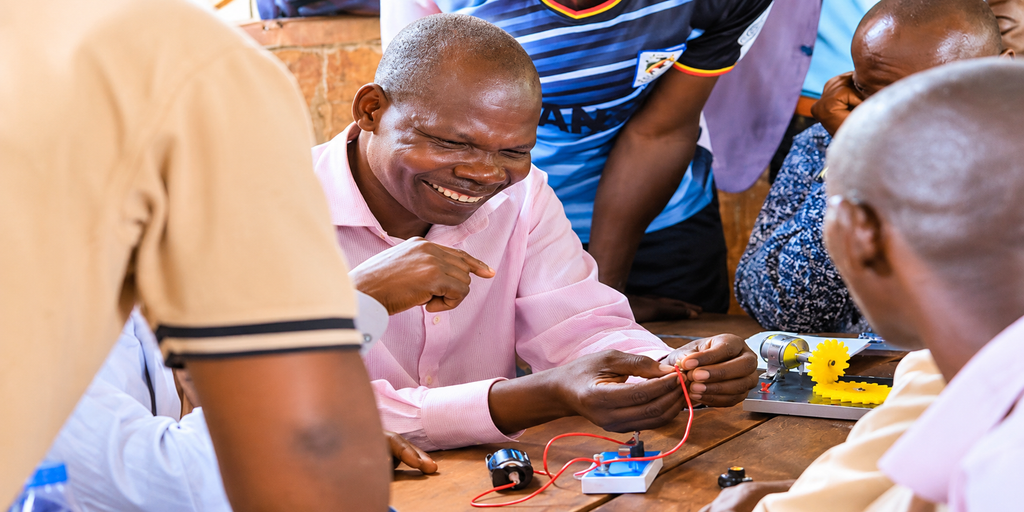
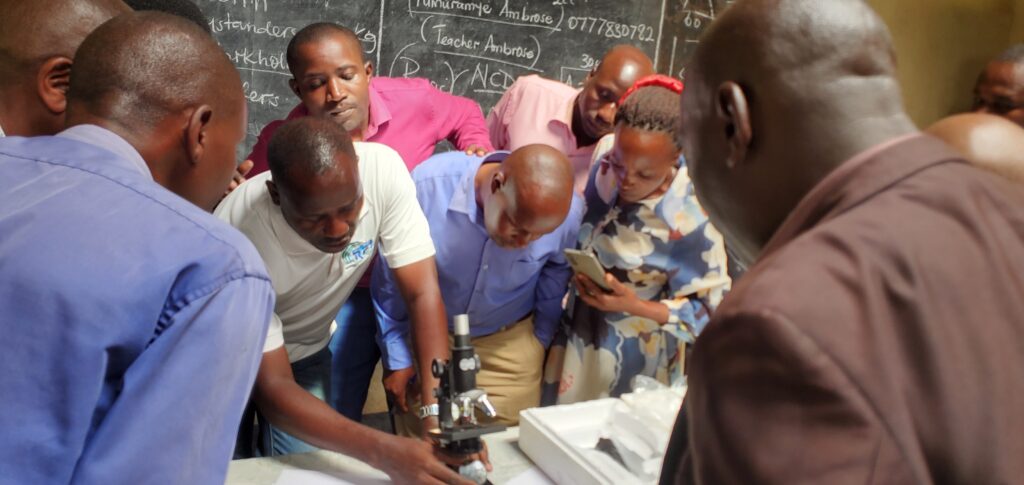
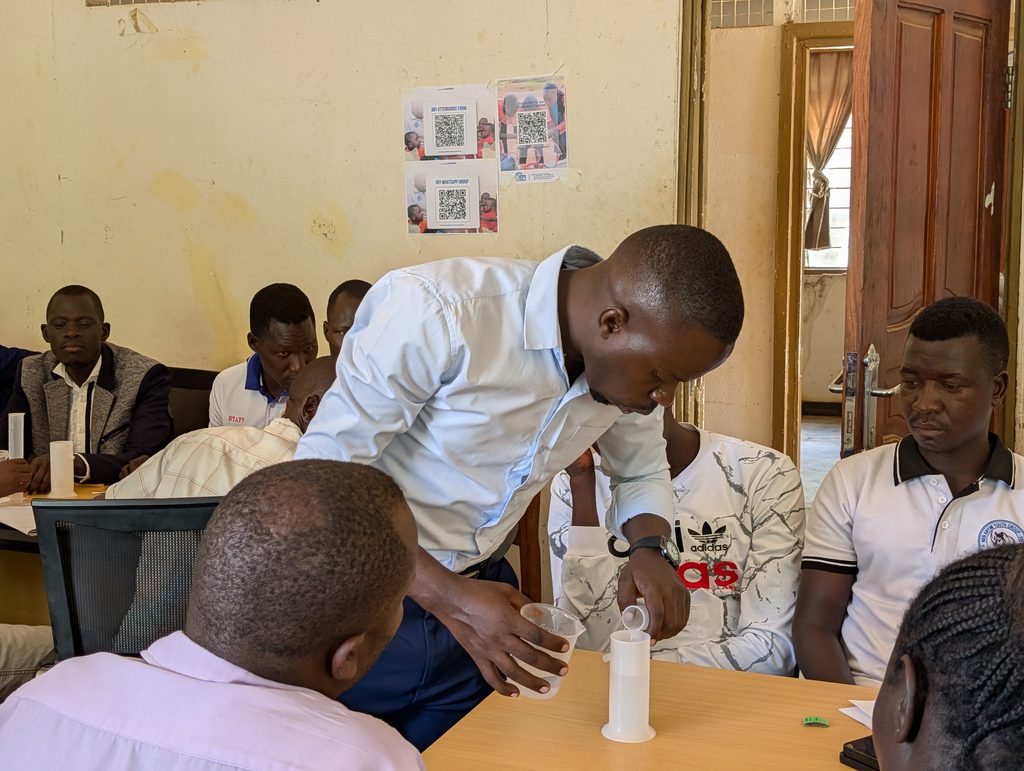
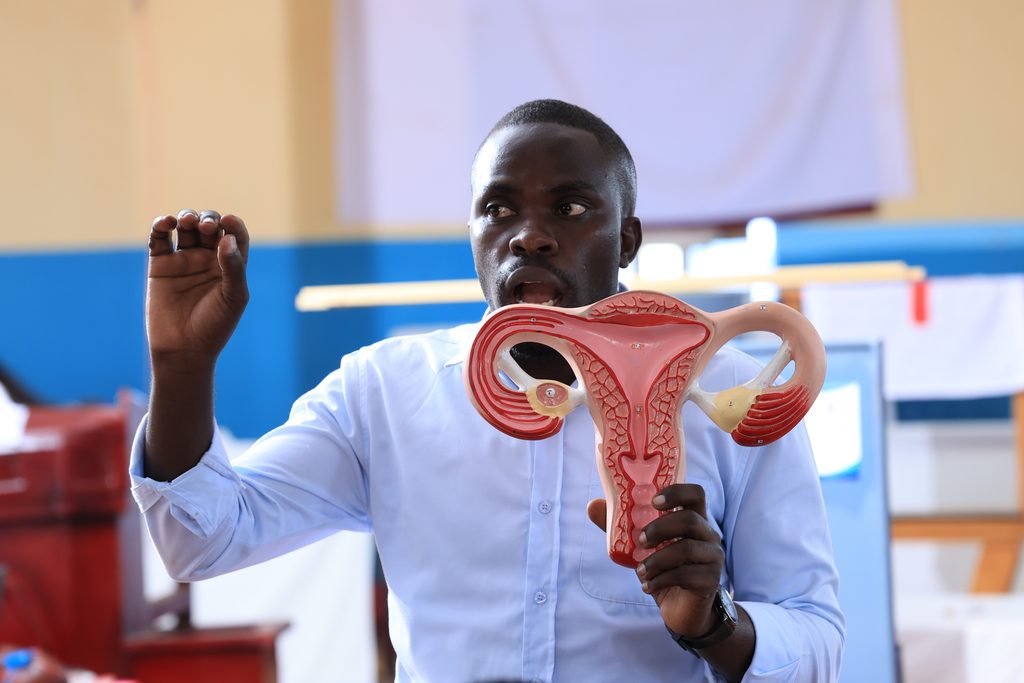
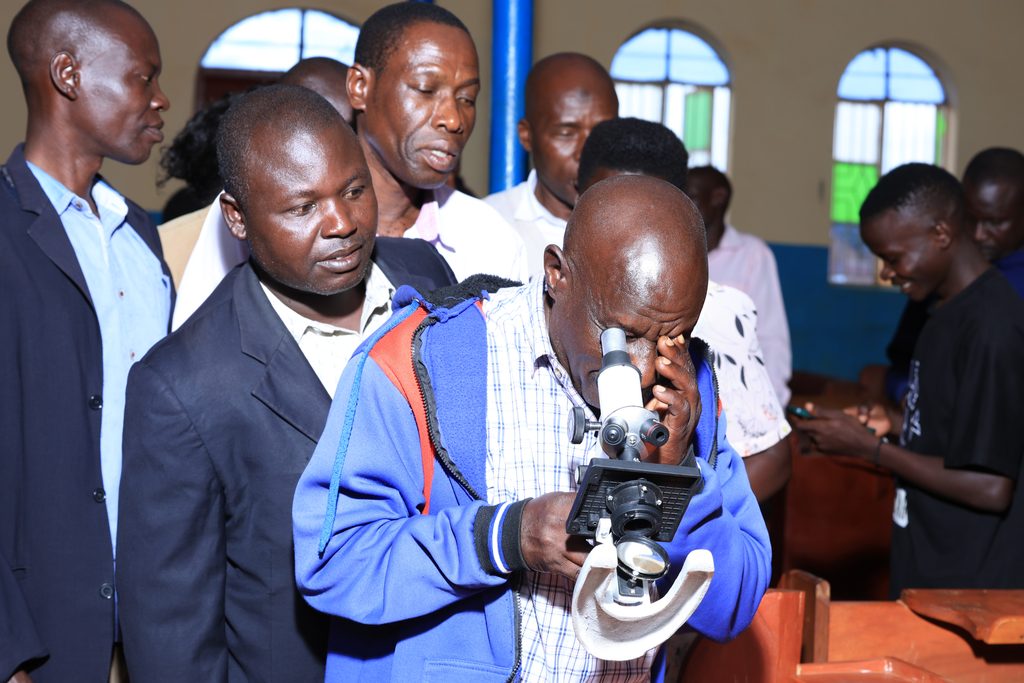
A key component of the engagement was the practical demonstration of selected science equipment and teaching materials contained in the Primary Science Kit.
Teachers were guided on the importance of demonstrating scientific concepts rather than relying entirely on theoretical explanations. The practical sessions emphasised the need for educators to allow learners to observe, handle and interact with science materials as part of the learning process.
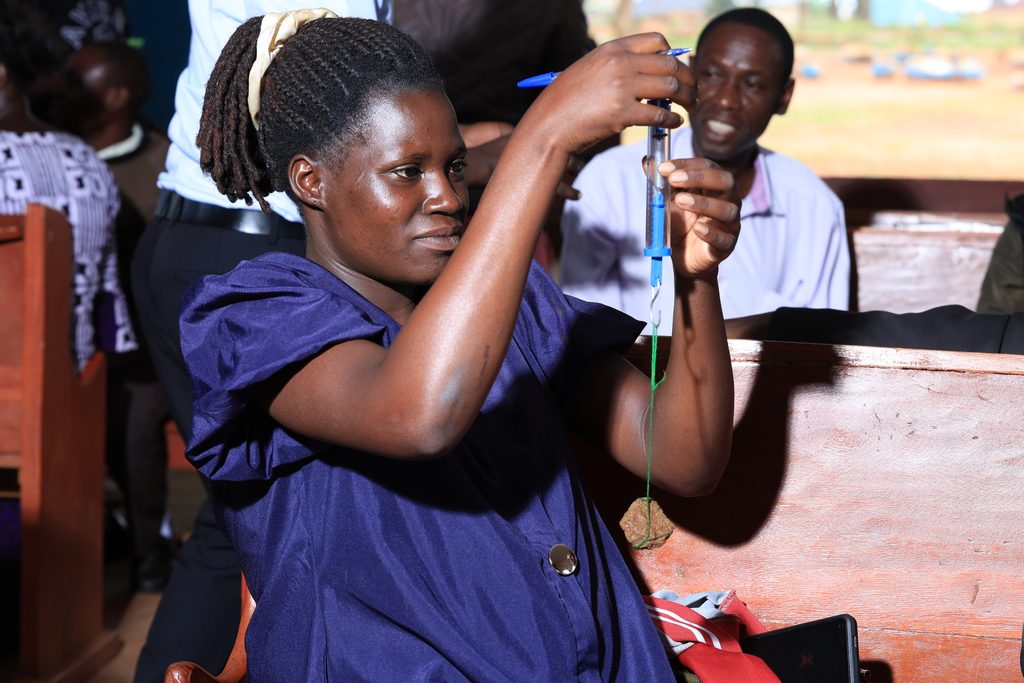
During the demonstrations, participants were introduced to the use of various science apparatus, including microscopes, spring balances, measuring instruments and other instructional materials.
The facilitators emphasised that teachers should not simply describe scientific equipment to learners but should demonstrate how the equipment works and provide opportunities for learners to participate in practical activities.
This approach is particularly important in primary science education, where learners develop a better understanding of scientific concepts when they can relate classroom knowledge to observable and practical experiences.
The training also reinforced the importance of using equipment correctly, maintaining instructional materials and ensuring that practical activities are aligned with the intended learning objectives.
Strengthening Teacher Confidence and Classroom Practice
The engagement brought together 42 participants, comprising 31 male teachers (73.8%) and 11 female teachers (26.2%), representing 23 schools.
Participants were encouraged to translate the knowledge and skills acquired during the training into improved classroom practices and ensure that the science materials available in their schools are put to effective use.
In their remarks, district education representatives expressed appreciation to River Flow International and the education stakeholders involved in supporting teachers with practical science instruction.
One of the representatives encouraged participants to embrace the training and apply the knowledge gained in their respective schools, emphasising that the workshop should translate into tangible improvements in classroom teaching.
The message was clear: training should not end at the workshop venue. Its real value lies in how teachers apply the acquired skills to improve learners’ understanding of science.
Teachers were also encouraged to make appropriate use of the equipment, follow the recommended procedures and ensure that learners are actively involved in practical learning activities.
Improving Access to Practical Science Education
The distribution of Primary Science Kits to 40 government-aided primary schools in Mayuge District represents an important step towards improving access to practical science education.
However, with 103 of the district’s 143 government-aided primary schools yet to receive the kits, there remains a considerable need to expand access to practical learning resources.
The training therefore forms part of a broader effort to ensure that the available resources deliver meaningful educational outcomes.
Through its partnership with the Ministry of Education and Sports, River Flow International continues to support efforts to improve science teaching and learning through the development and distribution of innovative science teaching materials, teacher training and professional support.
The organisation’s approach recognises that effective science education requires a combination of appropriate learning resources, well-equipped teachers and supportive school environments.
By strengthening teachers’ practical competencies, the initiative seeks to move science teaching beyond memorisation and encourage learners to explore, experiment, investigate and develop problem-solving skills.
Addressing Equipment Quality and Sustainability Challenges
The engagement also provided an opportunity to identify technical and logistical challenges that could affect the effective use of science teaching materials.
During the practical sessions, some equipment used for the demonstrations was found to have functional and quality-related concerns. These included a faulty energy converter and dynamo, a non-functional clinical thermometer, and concerns regarding the quality of some horseshoe magnets.
It was also observed that the microscope set contained cover slips but did not include microscope slides, limiting the completeness of the equipment required for certain practical activities.
These observations highlighted the importance of conducting thorough quality inspections and functionality tests before science kits are packaged and distributed to schools.
In addition, participants’ late arrival and the absence of lunch arrangements were identified as logistical challenges during the engagement.
Addressing such operational issues is important to ensuring that future training activities are conducted effectively and that teachers have sufficient time and support to benefit from the sessions.
The report also recommended strengthening follow-up mechanisms through regular school visits and monitoring rather than relying exclusively on telephone calls and SMS communication.
Such visits would enable education stakeholders to establish whether schools have received their science kits, assess how the materials are being used, identify challenges and provide the necessary technical support.
Building a Sustainable Culture of Practical Science Teaching
A major takeaway from the Mayuge engagement is that distributing science kits alone is not enough to transform science education. Their impact depends on teachers’ ability to use the materials confidently and consistently in their classrooms.
With only six of the 42 respondents reporting that they were using science kits, the findings demonstrate the need for continued investment in teacher training, school-level support and effective monitoring.
The engagement also underscores the importance of collaboration between River Flow International, the Ministry of Education and Sports, district education departments, school administrators and development partners in ensuring that practical science education reaches more learners.
As the initiative progresses, sustained efforts to improve equipment quality, expand kit coverage and strengthen teacher support will be essential in addressing the existing gaps.
For Mayuge District, the journey towards more practical and learner-centred science education is ongoing. The training at Budabangula Primary School marks another step towards ensuring that science is not merely taught as a theoretical subject but experienced through observation, experimentation and discovery.
Through its commitment to practical science education, River Flow International continues to champion a learning environment where teachers are empowered, learning materials are effectively utilised and learners are given opportunities to discover science through practice.