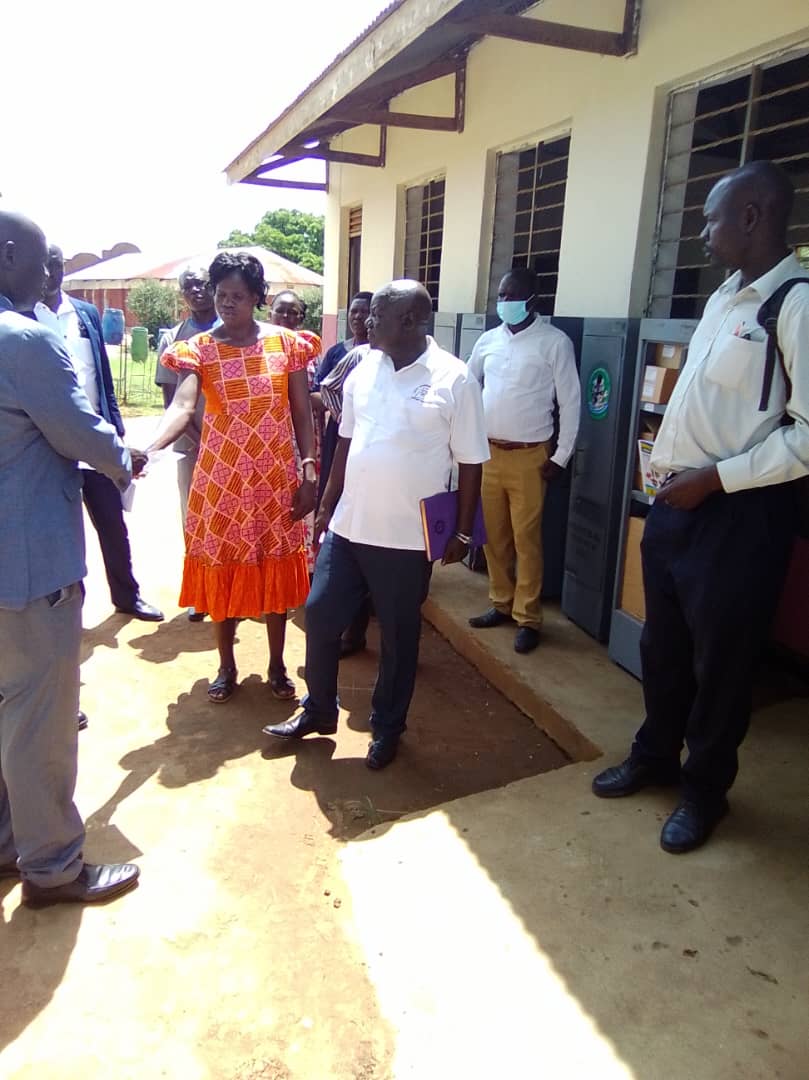
Agago District Local Government has officially received and distributed primary science kits to selected government-aided primary schools, marking another step toward strengthening practical science education and improving the quality of learning in rural communities.
The distribution, implemented under Phase VII of the Ministry of Education and Sports’ nationwide Primary Science Kit initiative, seeks to equip schools with practical learning materials that enable learners to move beyond theoretical lessons and engage directly with scientific concepts.

The initiative is part of the government’s broader effort to strengthen Science, Technology, Engineering and Mathematics (STEM) education in primary schools while supporting the implementation of Uganda’s competence-based approach to teaching and learning.
During the distribution exercise in Agago, district leaders, education officials and head teachers highlighted the importance of making science more practical and learner-centred, particularly in rural schools where inadequate teaching and learning materials have historically limited opportunities for practical experimentation.
District leadership backs practical science learning

The Agago District Local Government received the science kits as part of the government’s targeted distribution to districts across the country.
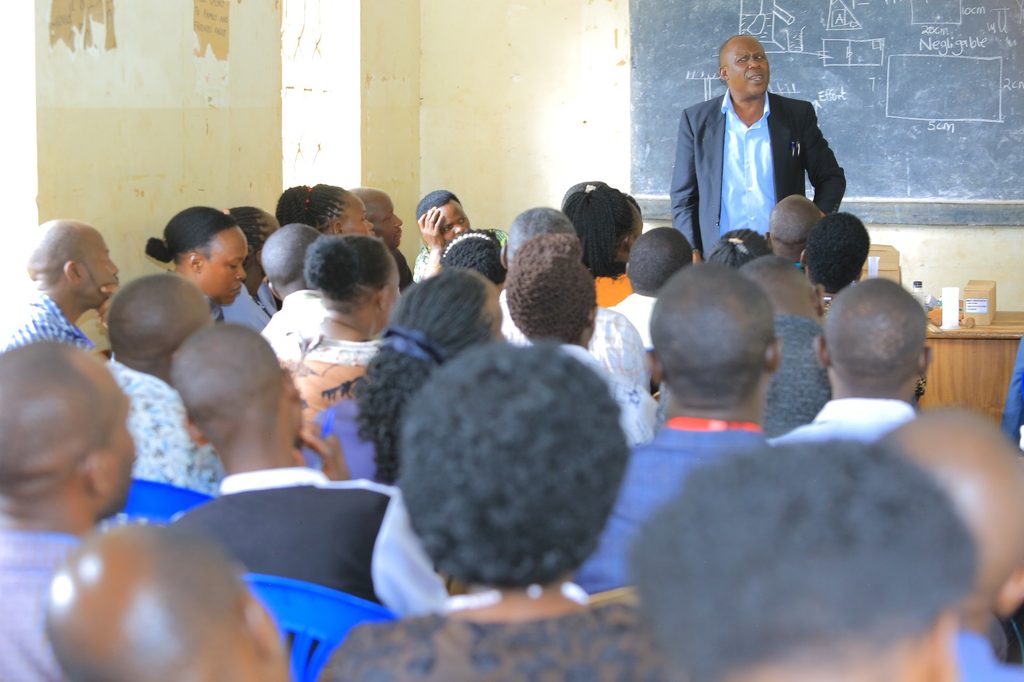
The District Chief Administrative Officer (CAO), while addressing head teachers during the distribution exercise, emphasized the responsibility of school leaders to ensure that the kits are not simply stored away but are actively used to support classroom teaching.
The CAO encouraged head teachers and teachers to take ownership of the equipment and integrate it into regular science lessons so that learners can acquire practical skills alongside theoretical knowledge.
The message was echoed by the district leadership, which described the provision of the kits as an important investment in the future of learners in Agago.
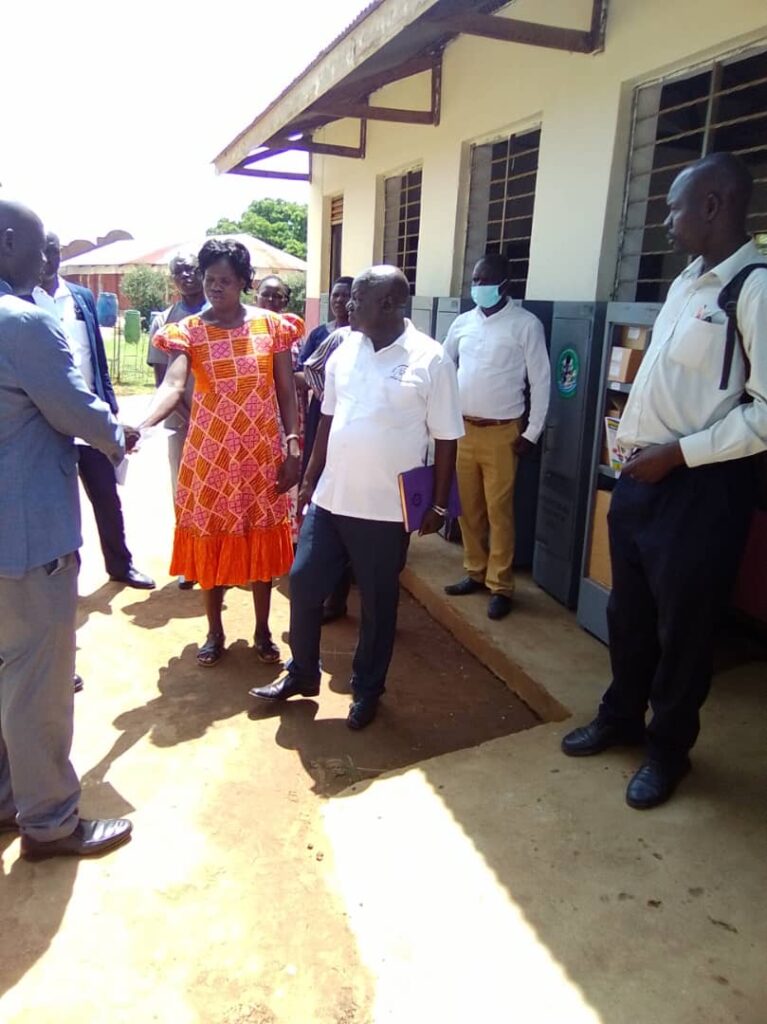
The District Vice Chairperson also participated in the exercise and officially flagged off the distribution of the science kits to schools, signalling the district’s commitment to ensuring that the materials reach their intended beneficiaries.
Bringing science lessons to life
For many pupils in rural schools, science has traditionally been taught largely through textbooks, chalkboard illustrations and verbal explanations. While these methods remain useful, education stakeholders say they can limit learners’ ability to understand concepts that require observation, experimentation and demonstration.
The primary science kits are intended to help bridge this gap.
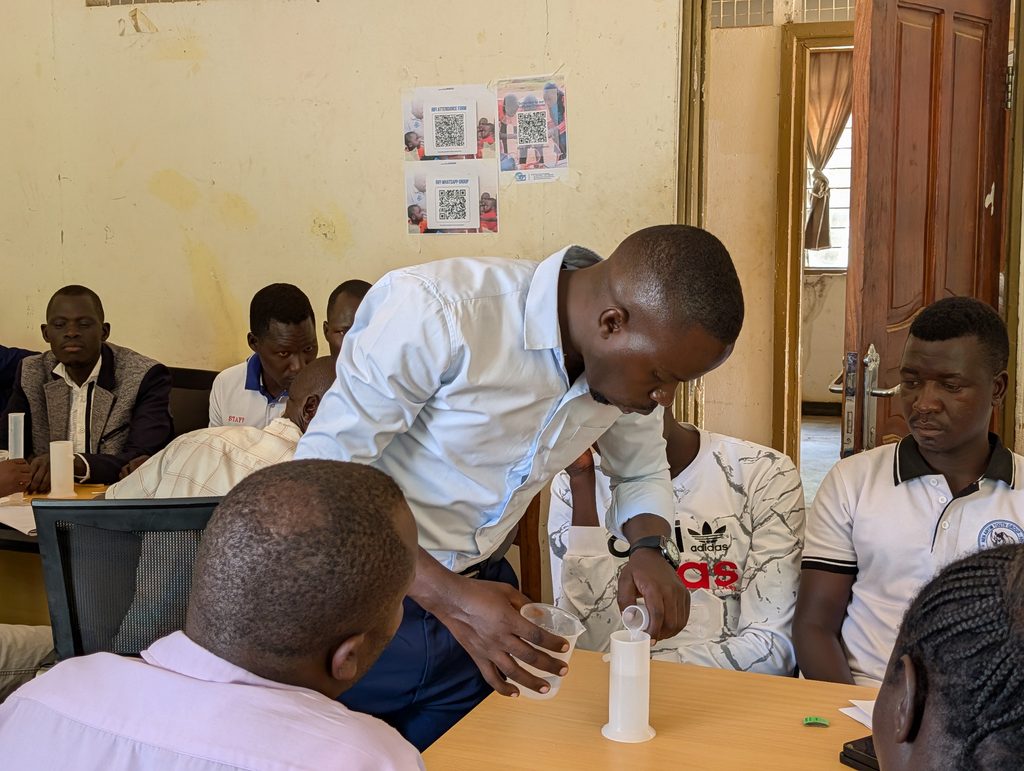
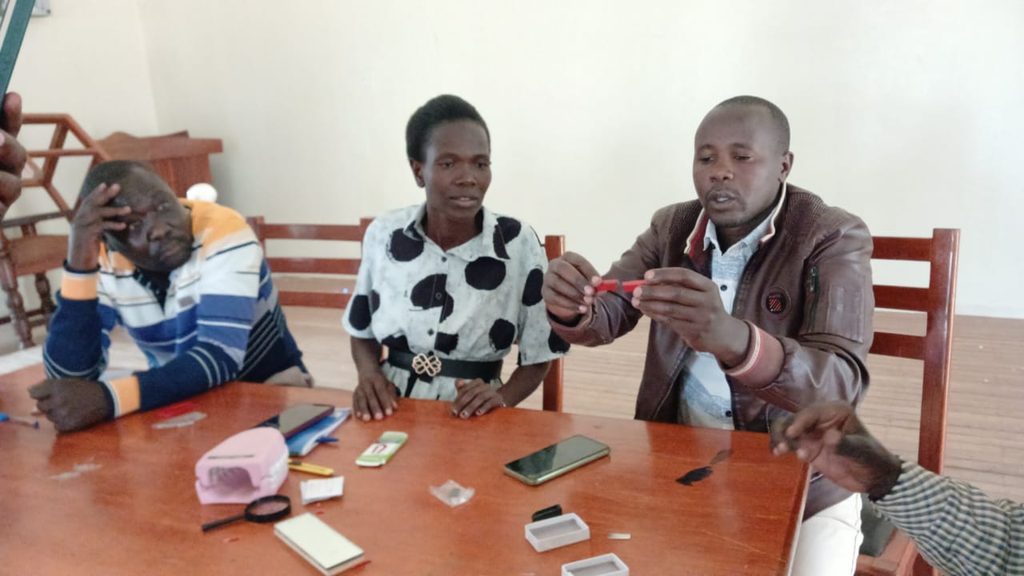
The portable mini-laboratory kits provide teachers with practical materials that can be used to demonstrate scientific concepts in the classroom. Instead of relying entirely on drawings or descriptions, teachers can use the equipment to make lessons more interactive and give learners opportunities to observe and understand scientific processes.
This approach is particularly important under competency-based education, which places greater emphasis on what learners can do, apply and demonstrate, rather than simply what they can recall.
With the kits available, teachers can facilitate lessons that encourage pupils to ask questions, make observations, participate in demonstrations and develop problem-solving skills.
The distribution also comes at a time when the government is seeking to address disparities in access to quality education and learning resources between schools in different parts of the country.
Rural and historically underserved schools often face challenges accessing adequate instructional materials, laboratories and other resources required to provide practical science education.
The Primary Science Kit programme seeks to respond to some of these challenges by providing portable mini-laboratories that can be used even in schools without conventional laboratory facilities.
For schools in districts such as Agago, the intervention therefore represents more than the arrival of new equipment. It provides an opportunity to improve the way science is taught and to expose pupils to practical learning experiences that may otherwise be difficult to access.
A national investment in STEM education

The Agago distribution is part of a much larger national programme being implemented by the Ministry of Education and Sports in partnership with stakeholders in education.
The government’s long-term target is to make the portable science kits available to all 12,433 government-aided primary schools across Uganda.
Agago is among the districts included in the focused distribution phases, alongside other districts, municipalities and cities.
The programme is intended to contribute to the development of a stronger foundation in STEM subjects from the primary level, where learners begin developing the curiosity, analytical thinking and problem-solving abilities that can influence their future education and careers.
By introducing practical learning at an early stage, the programme also aims to make science more interesting and accessible to pupils.
Teachers remain central to the success of the programme
While the provision of equipment is an important first step, education stakeholders recognize that the impact of the science kits will ultimately depend on how effectively teachers use them.
Head teachers have therefore been encouraged to ensure that teachers have access to the kits and incorporate them into lesson preparation and classroom activities.
Proper storage, accountability and maintenance of the equipment will also be important to ensure that the kits remain available for learners for years to come.
Teachers, meanwhile, will be expected to move beyond simply possessing the equipment and use it purposefully to support the curriculum.
The success of the programme in Agago will consequently be measured not only by the number of schools receiving the kits, but also by whether pupils increasingly participate in practical science activities and develop stronger understanding of scientific concepts.
Giving rural learners a stronger foundation
For Agago, the arrival of the science kits presents an opportunity to strengthen the quality of primary education and give learners greater exposure to practical science.
The initiative also reinforces the idea that a learner’s location should not determine the quality of educational opportunities available to them.
As the kits make their way into classrooms, the challenge now shifts to schools, teachers and education authorities to ensure that the equipment is actively used, properly maintained and integrated into everyday teaching.
If effectively implemented, the intervention could help transform science lessons from predominantly theoretical sessions into more engaging practical experiences,allowing learners in Agago to see, explore, experiment and learn by doing.
The distribution of the kits therefore marks not an end, but the beginning of a broader effort to strengthen practical science education and prepare a new generation of Ugandan learners with the knowledge and competencies needed to participate in an increasingly science- and technology-driven world.