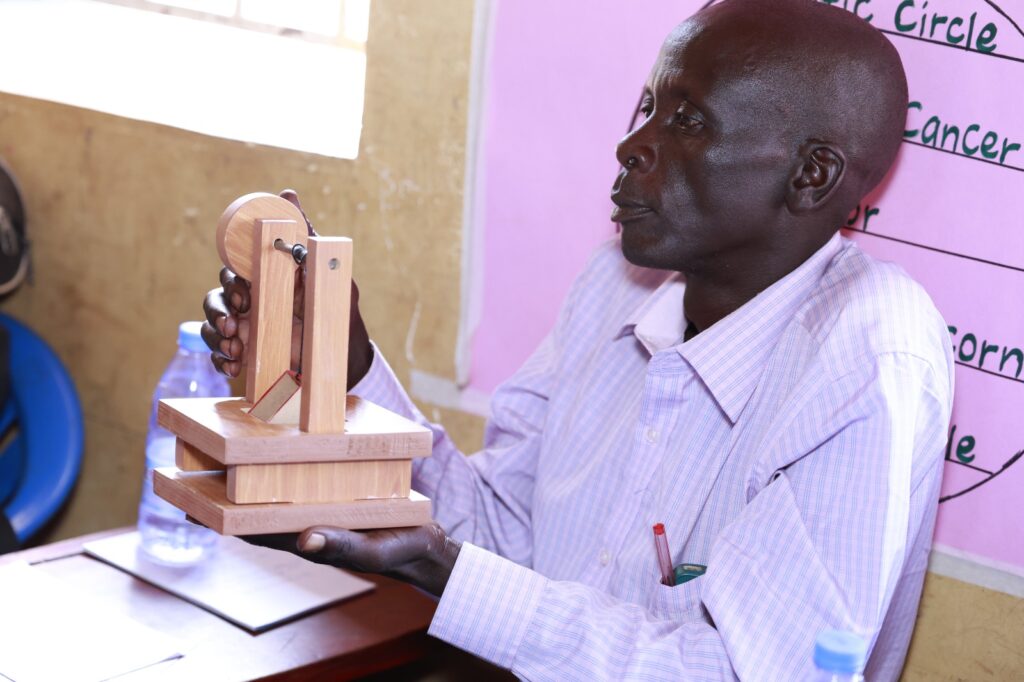
Despite years of underutilization, a renewed wave of teacher training is reigniting hope for quality science education in eastern Uganda, as educators begin to embrace the use of Primary Science Kits in their classrooms.
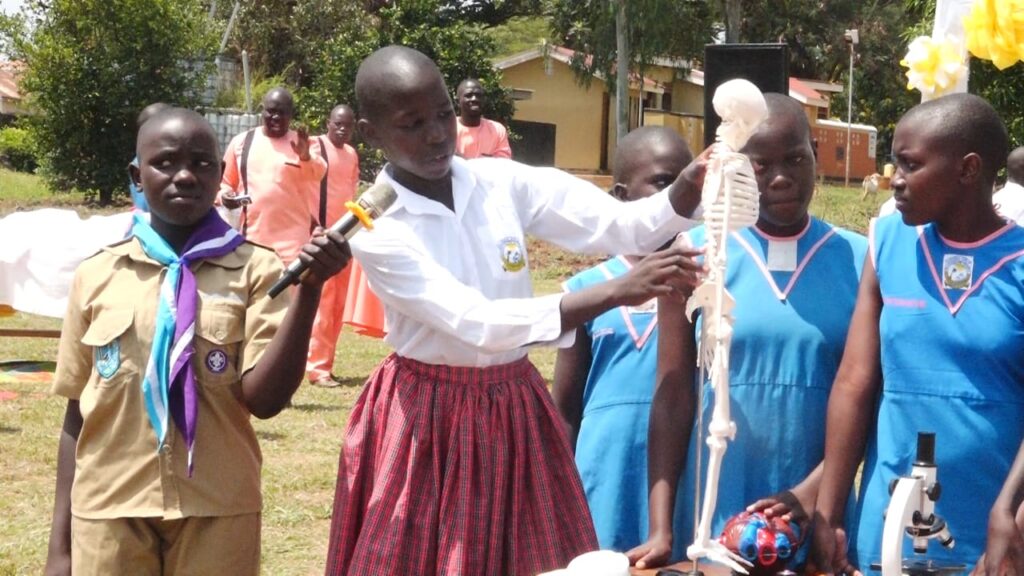
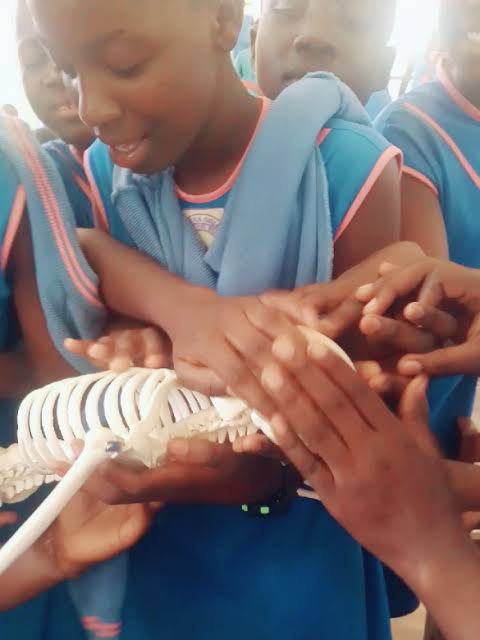
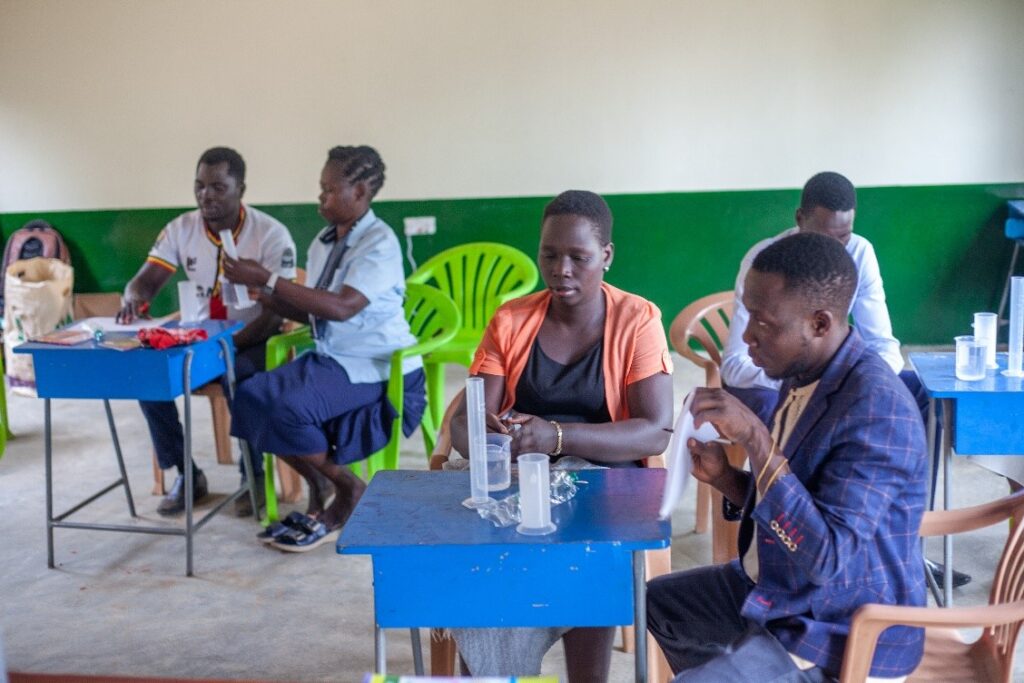
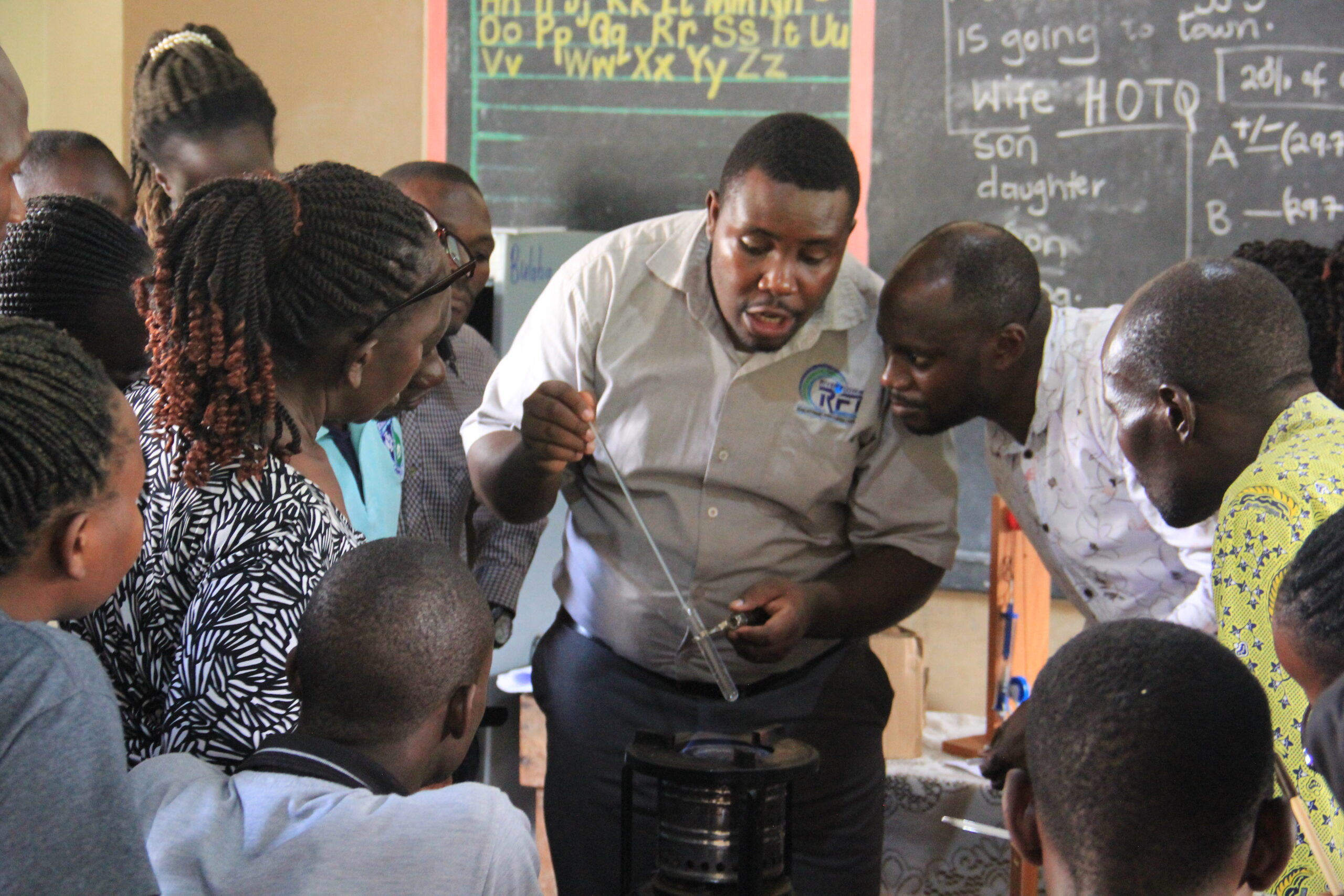
In June, Ministry of Education and Sports in partnership with River Flow International trained 90 primary teaches from 40 primary schools in Namayingo and Namutumba districts on the effective use of materials in the Primary science kit to simplify learning and teaching of science in the classrooms.
During the one-day workshop, teachers have revealed both the scale of the challenge and the opportunity ahead. For years, many of the integrated primary science kits supplied to schools remained untouched, packed away in cupboards, gathering dust due to limited teacher capacity and lack of hands-on training.
In Namayingo District, where the kits were distributed as early as the 2024/25 financial year, by the Ministry of Education and Sports, only 22.4% of teachers had ever used them prior to the training. Items such as weighing scales, electrical wires, and dry cells had never been unpacked, with teachers waiting for guidance on how to incorporate them into lessons.
However, the training held at Namayingo Primary School showed a beginning to shift attitudes. Teachers who once felt uncertain are now gaining the confidence to handle experiments and demonstrate scientific concepts in practical ways that learners easily understand.
“I had never used the kit before because I feared damaging the equipment,” one teacher admitted during the session. “Now I understand how it works, and I am excited to take it to my learners.”
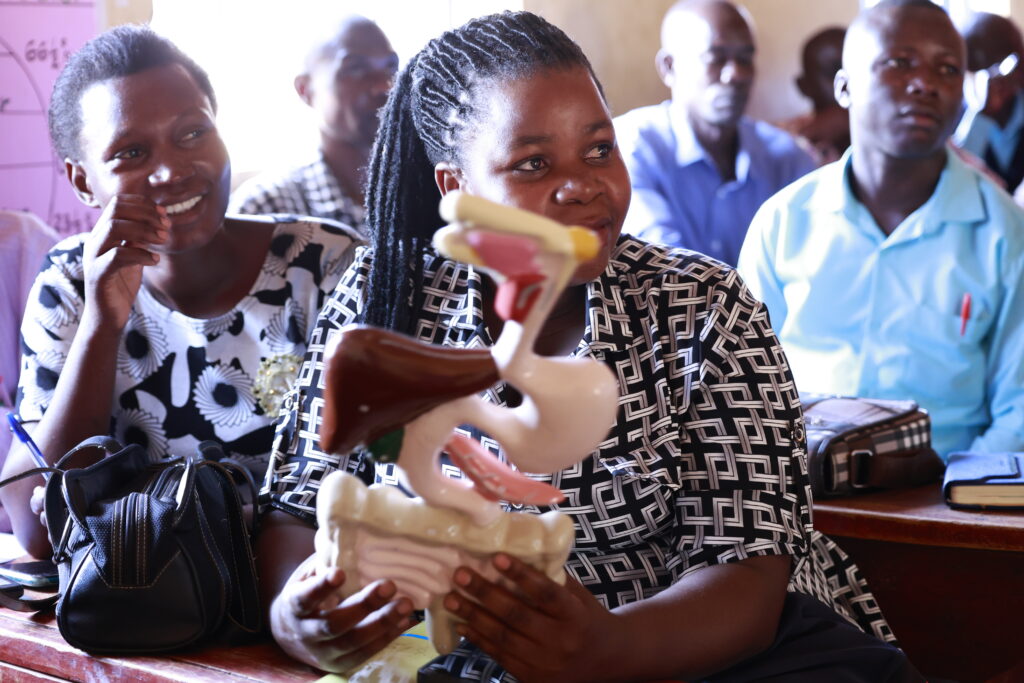
A similar transformation is unfolding in Namutumba District, where slightly over half (55.3%) of the teachers had already attempted to use the kits before the training. With additional guidance, more teachers are now expected to adopt hands-on science teaching methods, bridging the gap between theory and practice.
In addition, the trainings also exposed systemic challenges. Delayed facilitation, late arrival of participants such as teachers being stranded due to lack of transport, highlight ongoing constraints within the education support system. In Namutumba, participants even had to wait until late afternoon for meals, affecting the overall training experience.
Education experts say that while the initial rollout of the science kits faced setbacks, the current efforts to build teacher capacity could mark a turning point.
“The kits alone cannot transform learning, teachers must be empowered to use them effectively,” the report emphasizes, recommending regular follow-up visits and monitoring to ensure sustained usage.
With growing enthusiasm among teachers and continued support from education stakeholders, there is cautious optimism that the science kits will finally fulfill their intended purpose, making science learning more interactive, engaging, and accessible for thousands of primary school learners.
For many schools in eastern Uganda, it may have taken time, but it is not too late to unlock the full potential of practical science education.