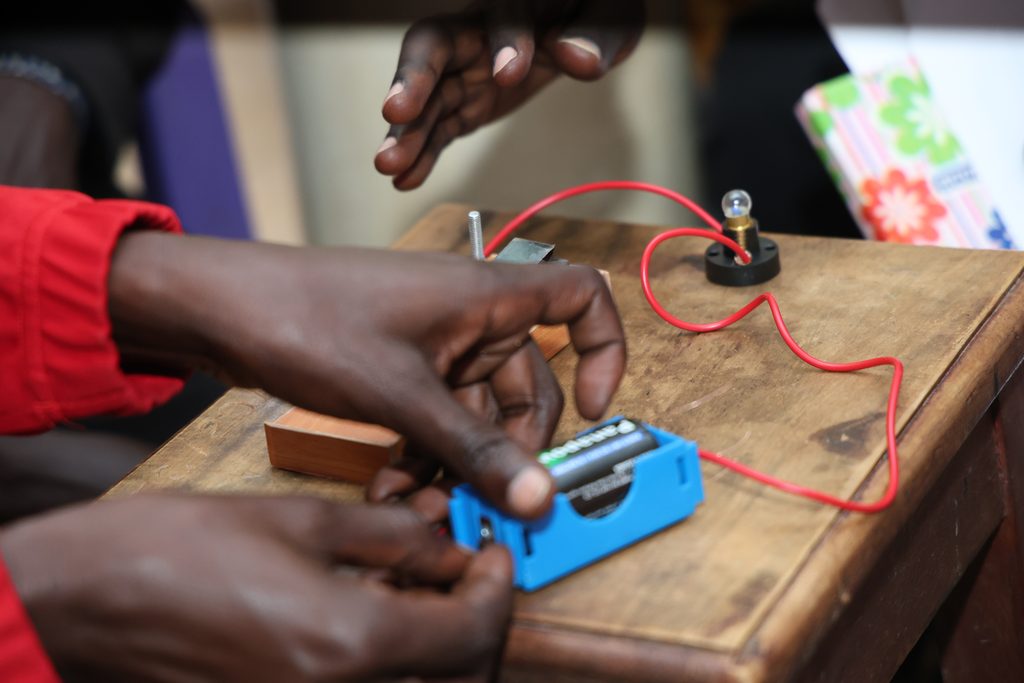
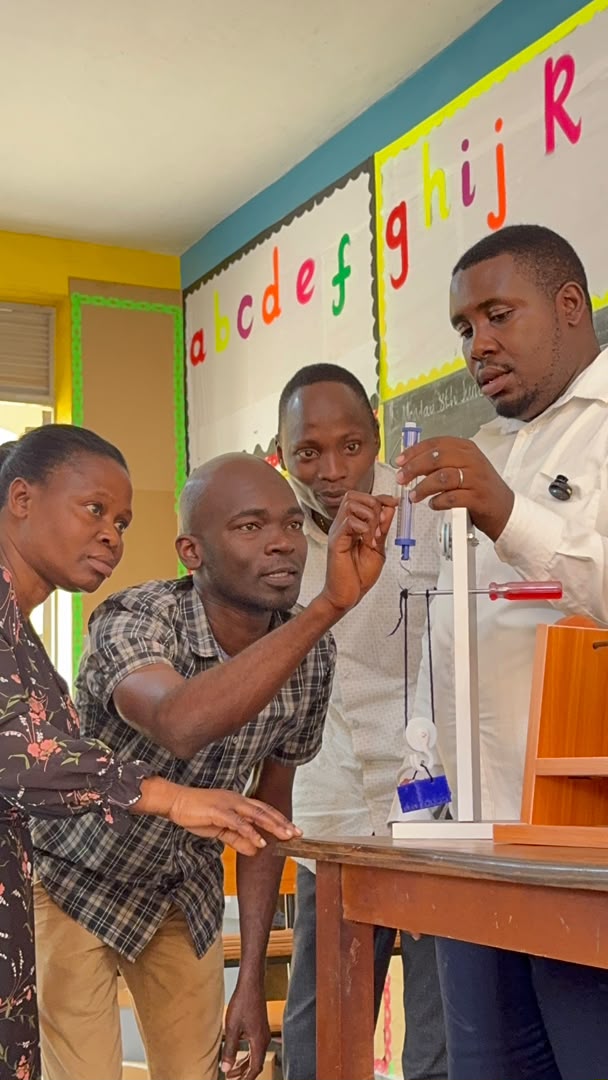
At Busy Bugs Junior School in Asanga II, Wakiso District, learning is no longer confined to chalkboards and theory, it is alive, engaging, and hands-on. During a recent science session, classrooms were filled with excitement as learners actively participated in experiments, collaborated in teams, and explored concepts through practical application.
“Who was not participating?” a facilitator asked. The answer was clear, every learner was engaged. From conducting experiments to writing observations and fetching materials, the class demonstrated active participation, teamwork, and curiosity, key elements of competency-based learning.
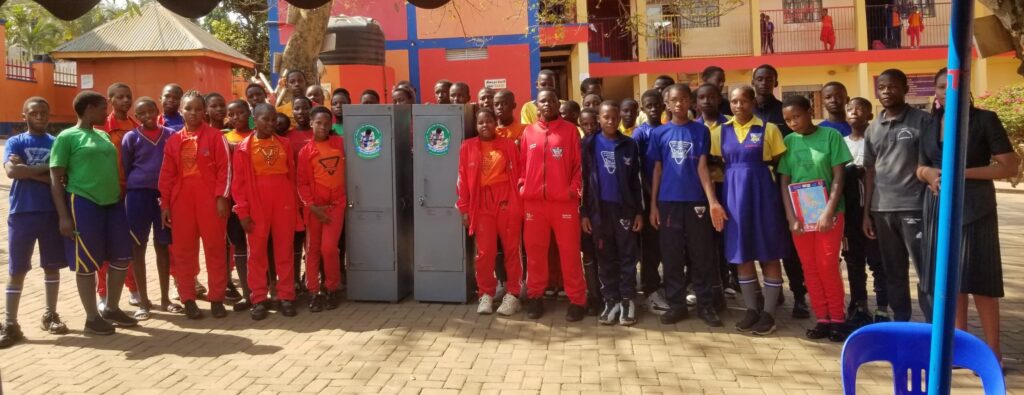
Busy Bugs Junior School, under the leadership of Director Andrew Johnny Kayambadde has steadily grown from a kindergarten established in 2010 to a fully-fledged primary school. Despite setbacks during the COVID-19 pandemic, the school has demonstrated resilience and growth, now hosting between 400 and 470 learners. Its commitment to maintaining small class sizes (25–30 learners per stream) ensures personalized attention and effective learning.
The school has also recorded impressive academic performance. In its first Primary Leaving Examination (PLE) in 2024, 14 out of 16 candidates passed in Division One. This strong performance continued in subsequent years, reflecting the school’s dedication to quality education.
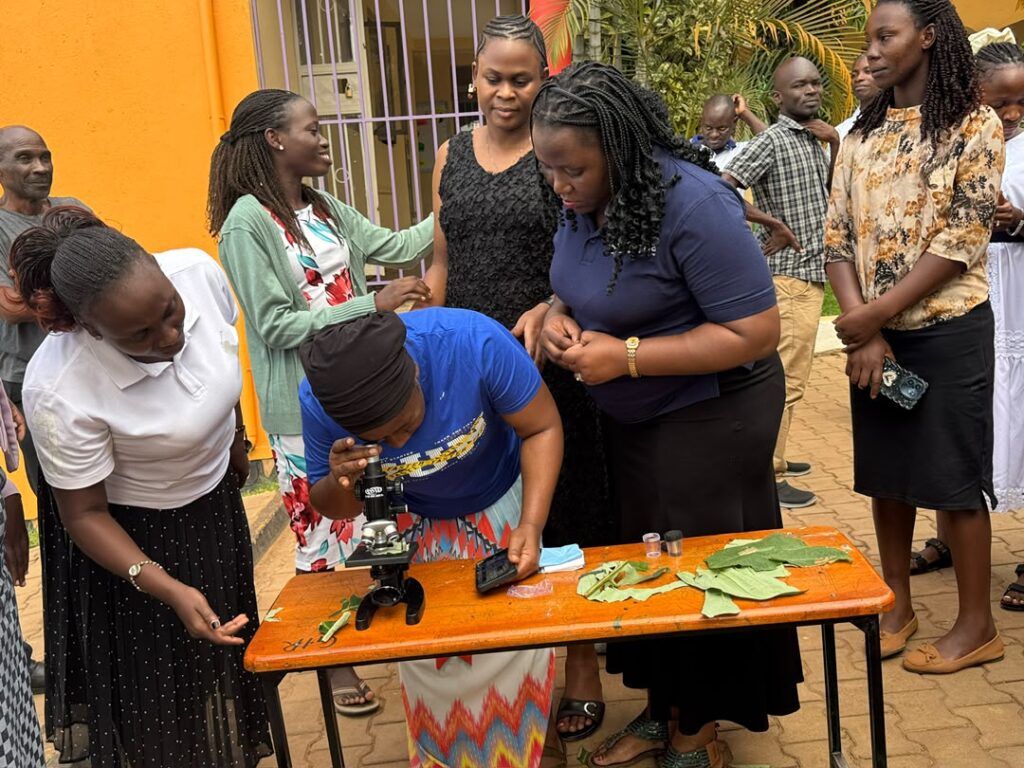
A key driver of this success is the integration of practical learning approaches, especially in science. With the introduction of the River Flow International Primary Science Kit, teaching has shifted from theory-heavy methods to interactive, application-based learning. Teachers now engage learners through hands-on experiments in areas such as magnetism, light, and simple machines.
“This kit will go a long way in making learning more interesting for both teachers and learners,” noted the school director. “What a child touches and experiences stays longer in their mind than what is only explained.
Learners themselves are already feeling the impact. Jemimah Nantongo, a Primary Seven pupil, describes the school as “fun and engaging,” highlighting accessible teachers, good meals, and interactive lessons. Her passion for mathematics and interest in becoming a cardiologist reflect a learning environment that nurtures both academic excellence and ambition.
Beyond the classroom, Busy Bugs Junior School incorporates practical projects such as crop growing and poultry rearing, further reinforcing experiential learning. These initiatives equip learners with real-life skills and promote critical thinking.
The adoption of practical science kits is also addressing long-standing challenges in teaching. Traditionally, many teachers relied on theory due to limited resources or lack of exposure to innovative methods. With the science kit, teachers are now empowered to demonstrate concepts physically, making lessons more engaging and easier to understand.
As education continues to evolve towards competency-based learning, Busy Bugs Junior School stands out as a model institution embracing innovation. The partnership with River Flow International is not only enhancing teaching practices but also shaping a generation of learners who can apply knowledge to real-life situations.
Indeed, at Busy Bugs, learning is no longer about memorizing facts it is about discovery, application, and preparing learners for the future.