
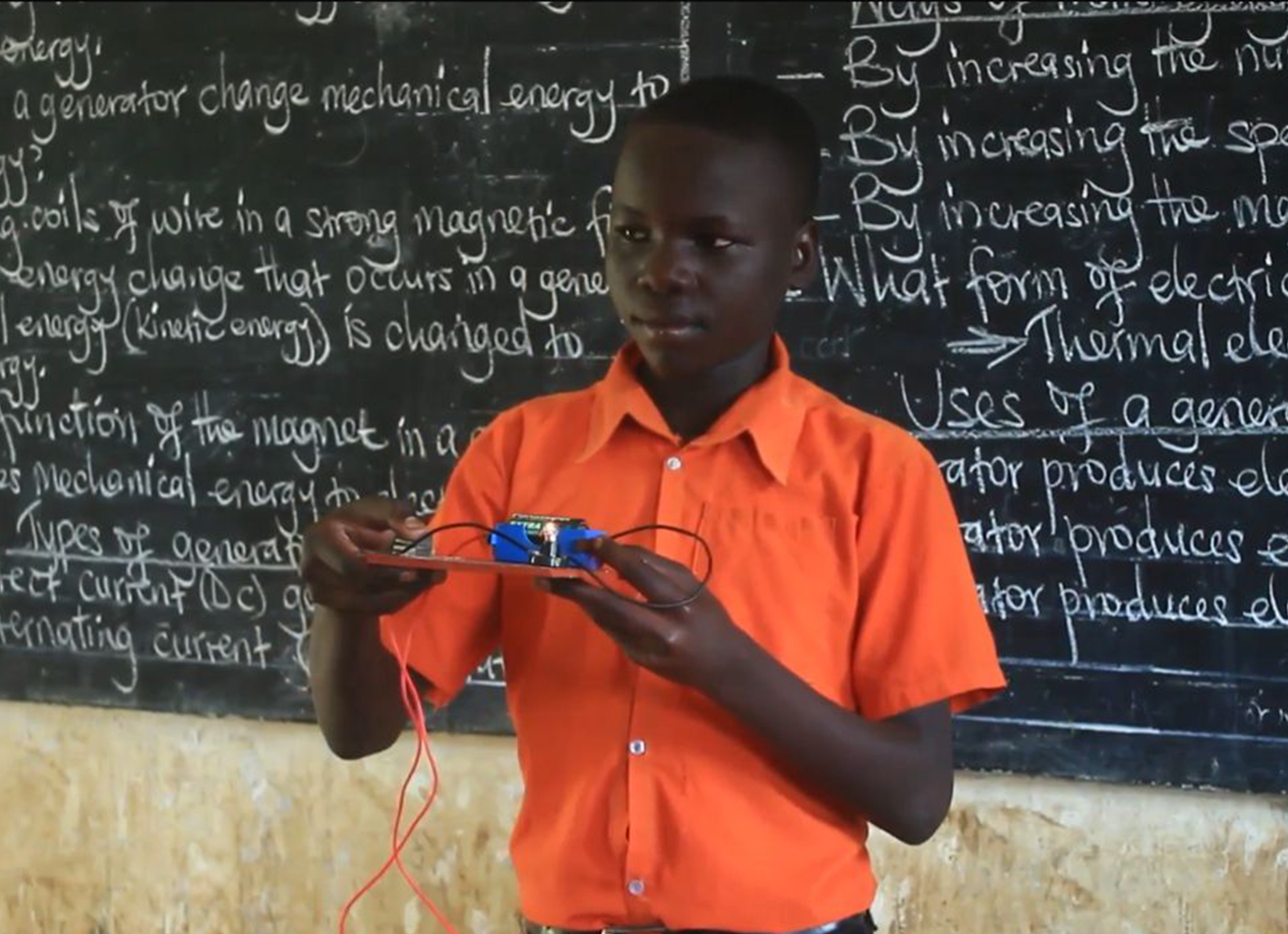
Hima Primary School in Kasese District, Uganda, has long battled the limitations of textbook science lessons. But since 2024, when the government of Uganda through the Ministry of Education and Sports supplied Primary Science Kits, learners and teachers have traded sketches for hands-on experiments, sparking dramatic improvements in learning and exam results.
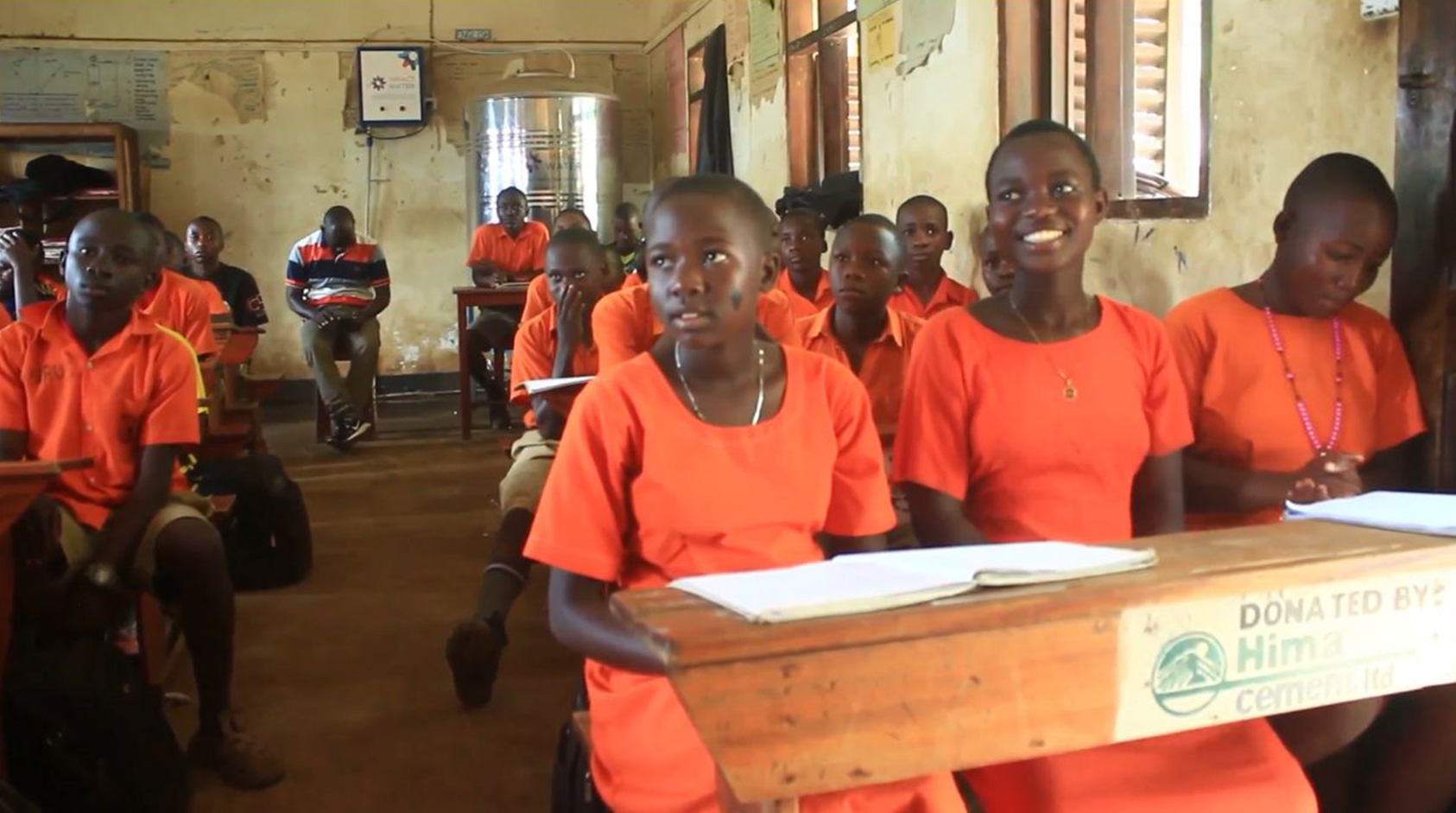
The transformation began quietly in 2021 with the national rollout of science kits in phases, starting as a government initiative to equip primary schools with practical tools. By 2024, Hima Primary, one of 20 schools in Kasese to receive kits through the Ministry of Education and Sports, saw immediate change. Previously reliant on bush-collected specimens and chalkboard drawings, teachers now pull out real models for lessons on electricity, human anatomy like the skeleton, and measurements.
Mr. Jackson Sibasi, Hima’s head teacher, recalls the shift vividly. “Before the kit, learners couldn’t competently interpret or discuss,” he says. Now, learners like Primary 7 pupil Gabo Oprima Apipawe confidently dissect a model human heart before visitors. ” The human heart has two main receiving chambers, known as atria, which separate oxygenated and deoxygenated blood. Deoxygenated blood from the body enters the right atrium, while oxygenated blood from the lungs returns to the left atrium. Together, they ensure the separation of blood types before ventricular pumping,” Gabo explains, tracing valves that prevent backflow and thick left-side muscles.
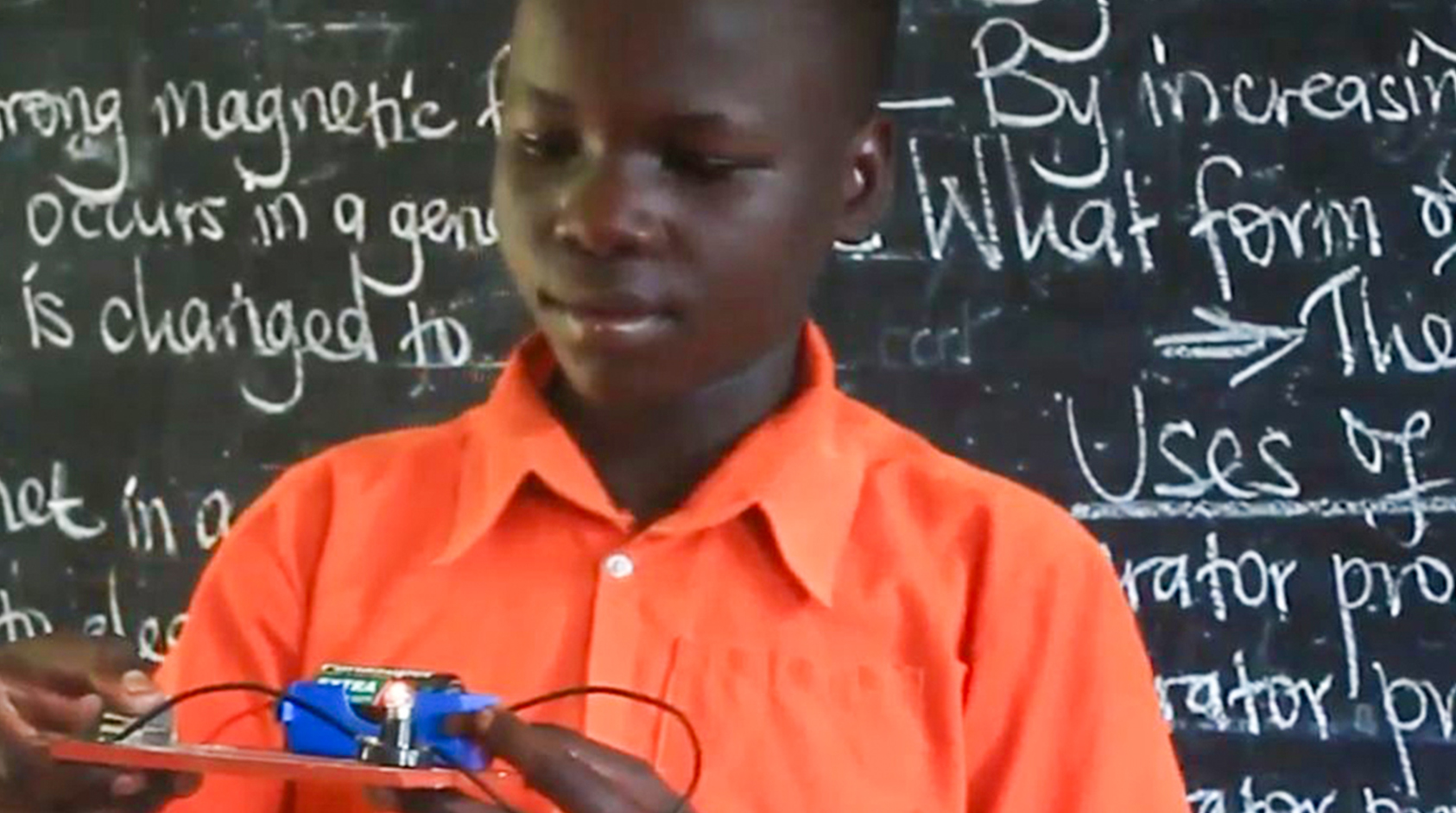
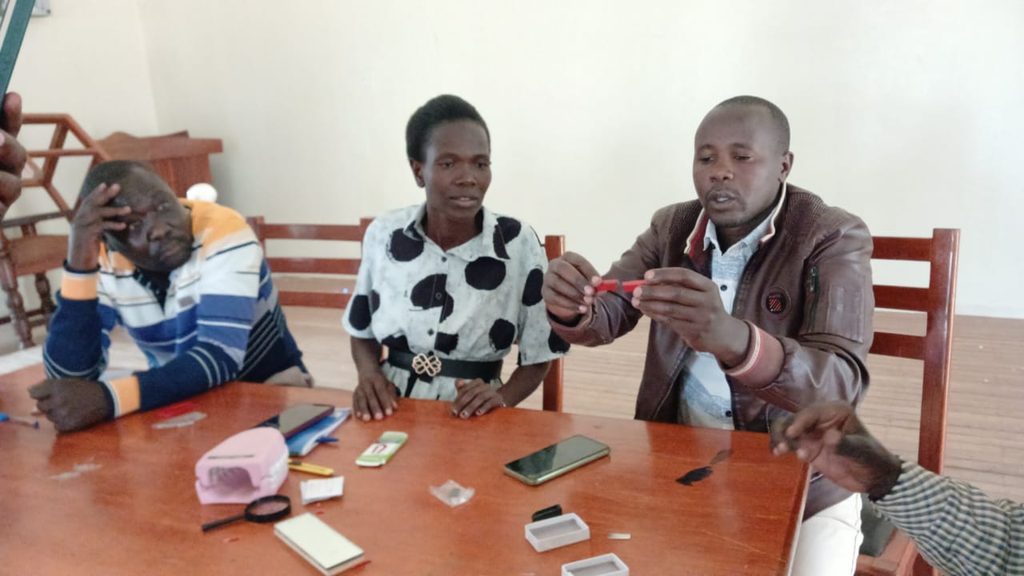
Ochum Daniel demonstrates a simple circuit: bulb, switch, dry cell holder, wires, and terminals marked positive and negative. “Connect positive to positive, negative to negative—or the bulb burns,” he warns, flipping the switch to light it up.
This practical mastery, he attributes, fueled Hima’s 2025 Primary Leaving Examination (PLE) success: 11-12 first grades (up from 6 in 2024), 61-74 seconds (from 94), and fewer in lower divisions.
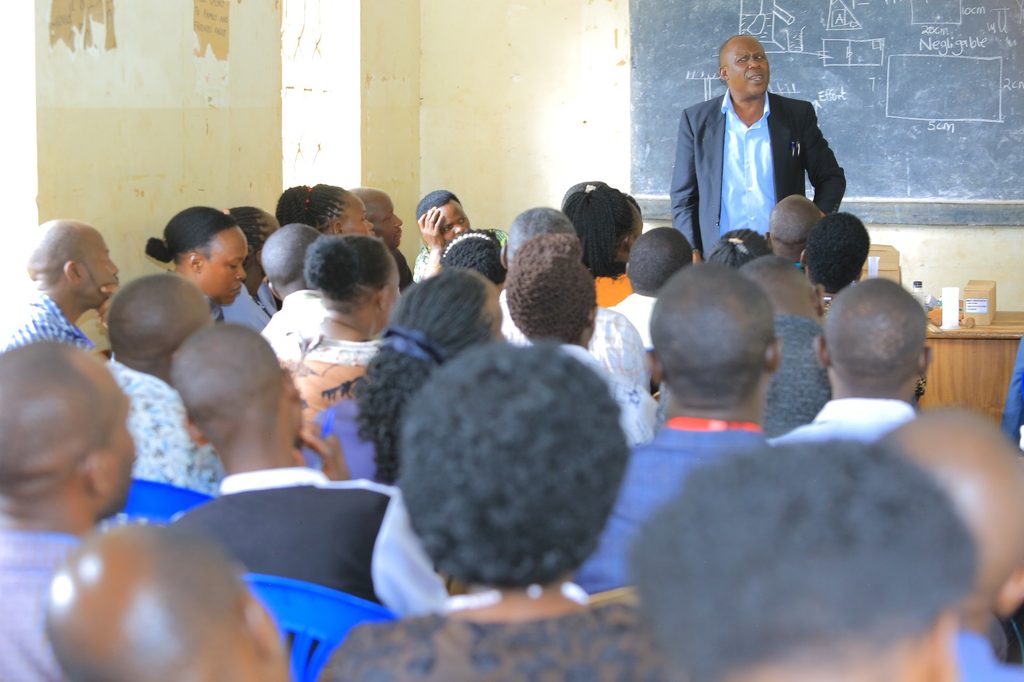
Science educator Kabadjoua Maureen, a teacher at Hima, once I struggled with abstract topics like the heart’s veins and circulatory using charts alone. “Now, I demonstrate, and learners do too,” she says. Last year, 21 Primary 7 learners earned first grades, outpacing other subjects, thanks to these sessions. Colleague Masareka Simon echoes this for P5 measurements and P7 electricity: “Children pour water into the overflow can with irregular objects, they enjoy it.”
"Now, I demonstrate, and learners do too," "Children pour water into the overflow can with irregular objects, they enjoy it."
Both urge the government to expand kits nationwide, noting secondary labs overlook primary foundations. “Science starts here,” Simon insists, calling kits a makeshift primary laboratory.
Kasese District Education Officer (DEO) Itawa Wambar-Ernest confirms the kits’ reach: 20 distributed to 20 government aided primary schools, with training provided. Inspection reports show hands-on gains, like vivid heart circulation demos. Enrollment jumped dramatically at schools like one in Nyabugando Parents, from 30 PLE candidates in 2024 to 68 in 2025 while science scores climbed, inspiring career dreams in medicine and engineering.
Variations persist; Mbunga Primary saw Division 1 dip slightly amid enrolment drops, but Nyubugando Parents improved first grades from 6 to 9. “Learners touching and seeing retain better than theory,” Wambar-Ernest notes.
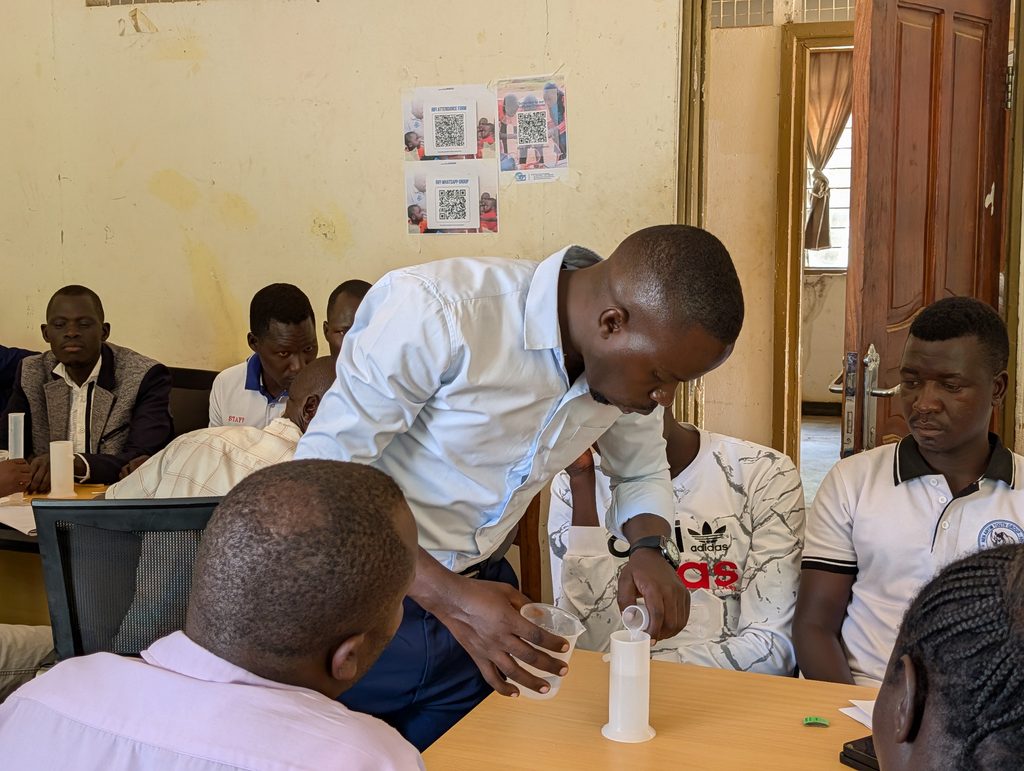
Margret Olore, the Marketing and PR of River Flow International River Flow International (RIFI), credits the kits for shifting from “memorizing to doing.” Supporting over 3,000 kits nationwide since Phase 1, RIFI trains teachers in Kasese and beyond, like recent Buvuma District sessions emphasizing learner-centered methods. “Feel the heart, touch the skeleton, knowledge transfers home,” Olore says.
At Hima, the distribution of the science kit in 2024 correlated with doubled first grades by 2025. Teachers now cover topics faster, supervising rather than lecturing.
Stakeholders unite in appeal. Jackson requests kits for all schools, citing 2025’s first-grade wave across classes. Teachers demand refresher trainings to sustain momentum.
Olore pushes Phase 7 to cover Kasese’s remaining 240 of 260 schools. Parents must pay fees promptly, she adds, while head teachers foster conducive environments.
As Uganda builds scientists from primary roots, Hima Primary stands as proof: practical kits don’t just light bulbs, they ignite futures. With government phases ongoing into 2026, the question lingers, how soon will every primary child hold the tools to explore?
Great news!