For many primary schools in Buyende District, teaching Science has long been challenged by limited access to practical learning materials. Although teachers introduce scientific concepts in classrooms, learners have often had limited opportunities to observe, experiment and engage in hands-on activities that make learning more meaningful.
However, this is beginning to change following the distribution of Primary Science Kits by the Ministry of Education and Sports, in partnership with River Flow International, and the subsequent teacher training on their effective utilisation.
The initiative is transforming the way teachers approach Science education, equipping them with practical skills and resources to make lessons more interactive, engaging and learner centred.
Among the beneficiaries is Namsikzi Primary School, one of the first 20 government primary schools in Buyende District to receive a Primary Science Kit.
For the school’s headteacher, Mukanza Justine, receiving the kit represents an important opportunity to improve the quality of science education and give learners a chance to understand scientific concepts through practical experiences.
“We thank the Ministry of Education and Sports and the Buyende District Education Department for giving our school the opportunity to be among the first 20 schools to receive these Science Kits. We are equally grateful to River Flow International for providing facilitators who have trained us on how to use the materials effectively,” she says.
She believes the intervention will enable learners to move beyond simply listening to theoretical explanations to seeing and engaging with the concepts they study.
Building Teachers’ Confidence in Practical Science
Beyond the distribution of the kits, equipping teachers with the knowledge and confidence to use the materials effectively is central to achieving meaningful learning outcomes.
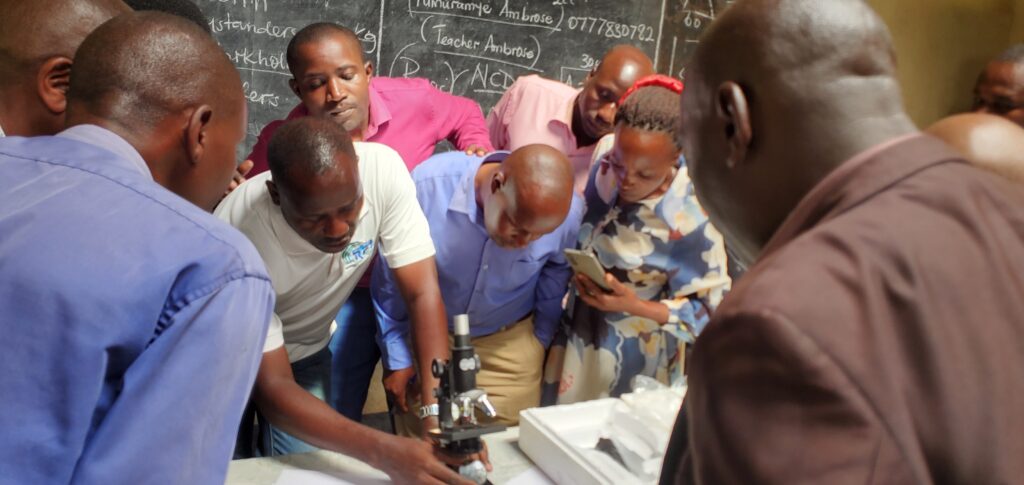
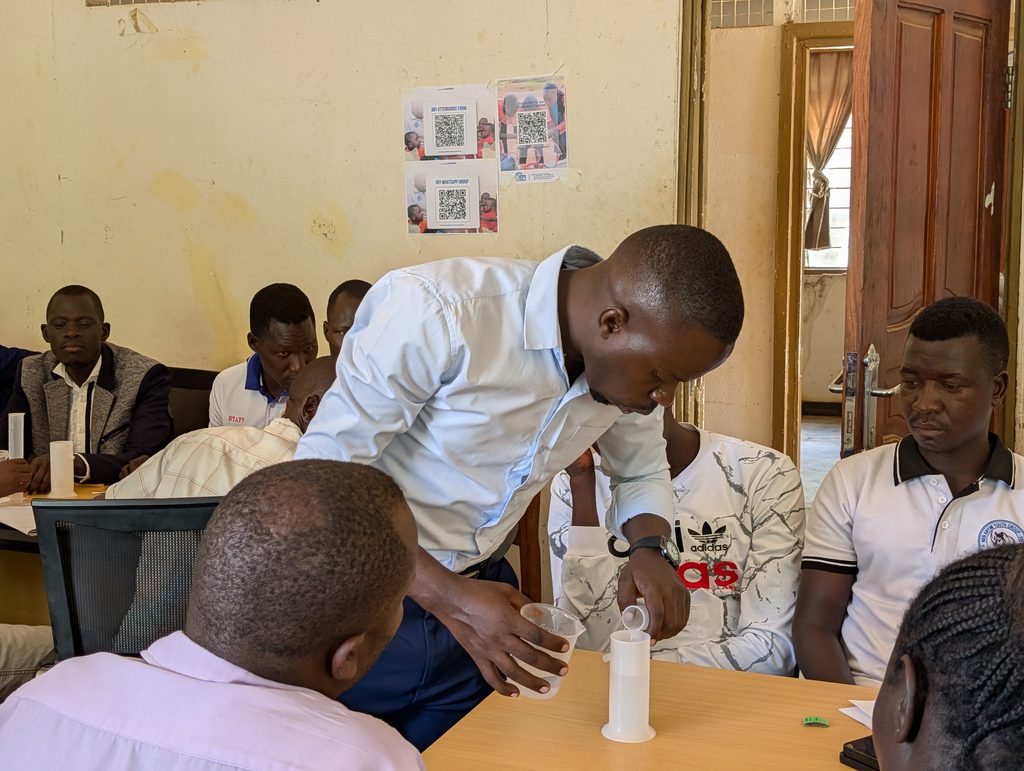
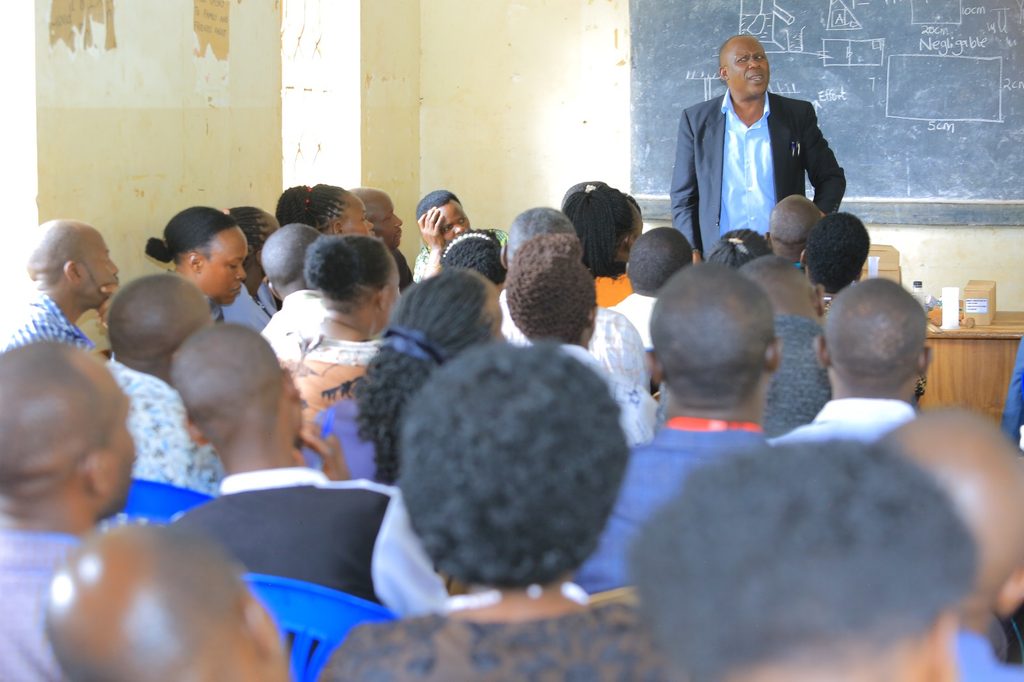
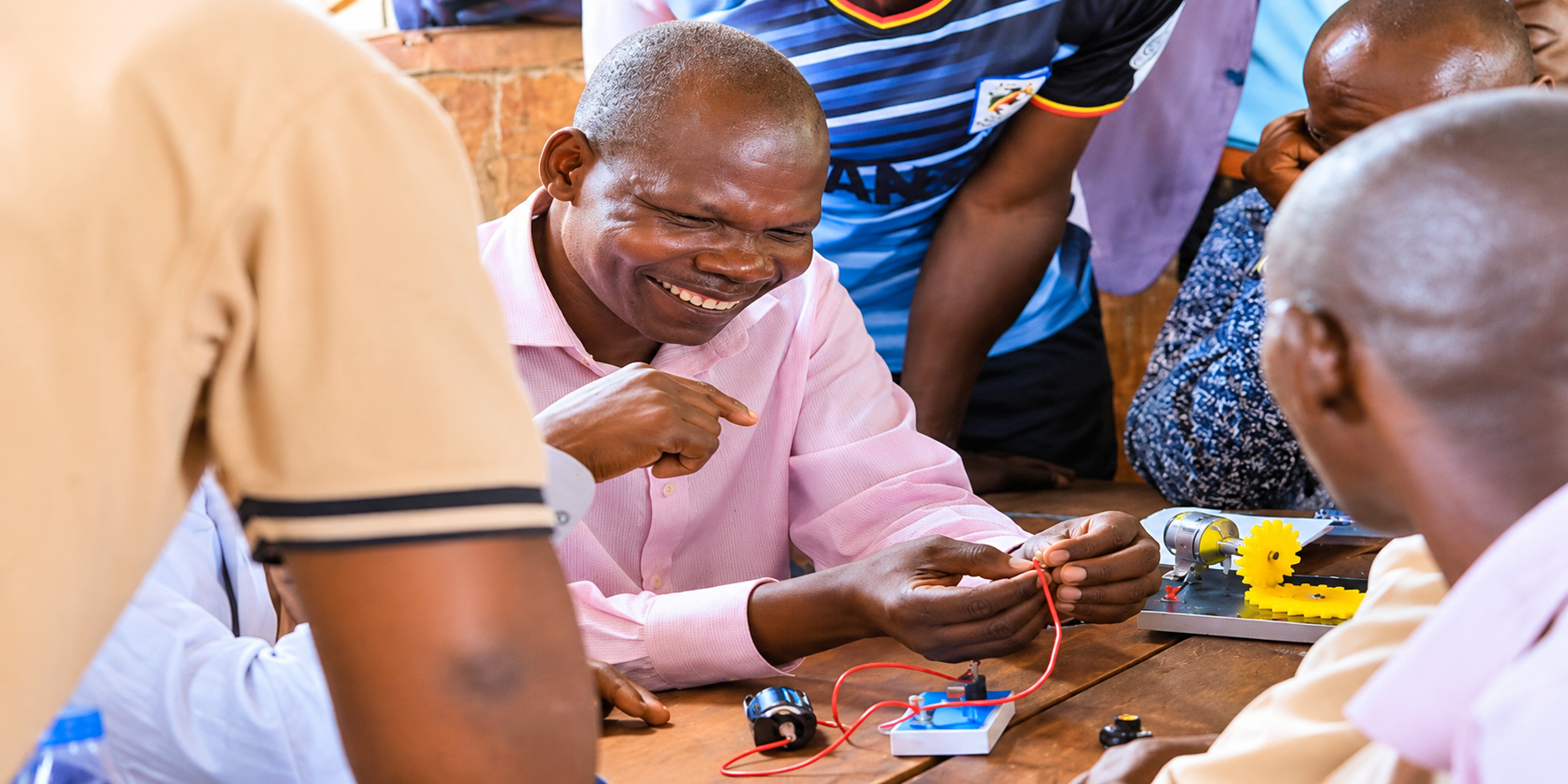
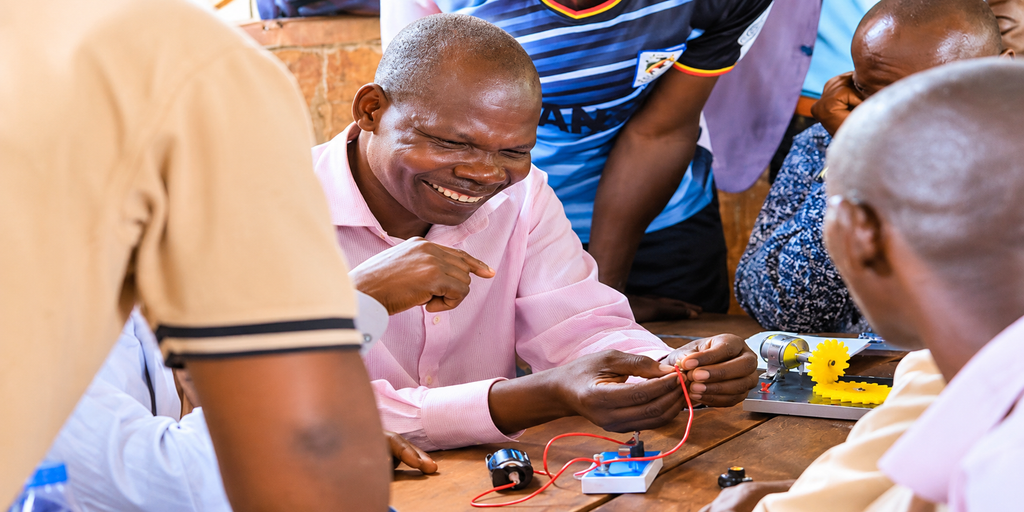
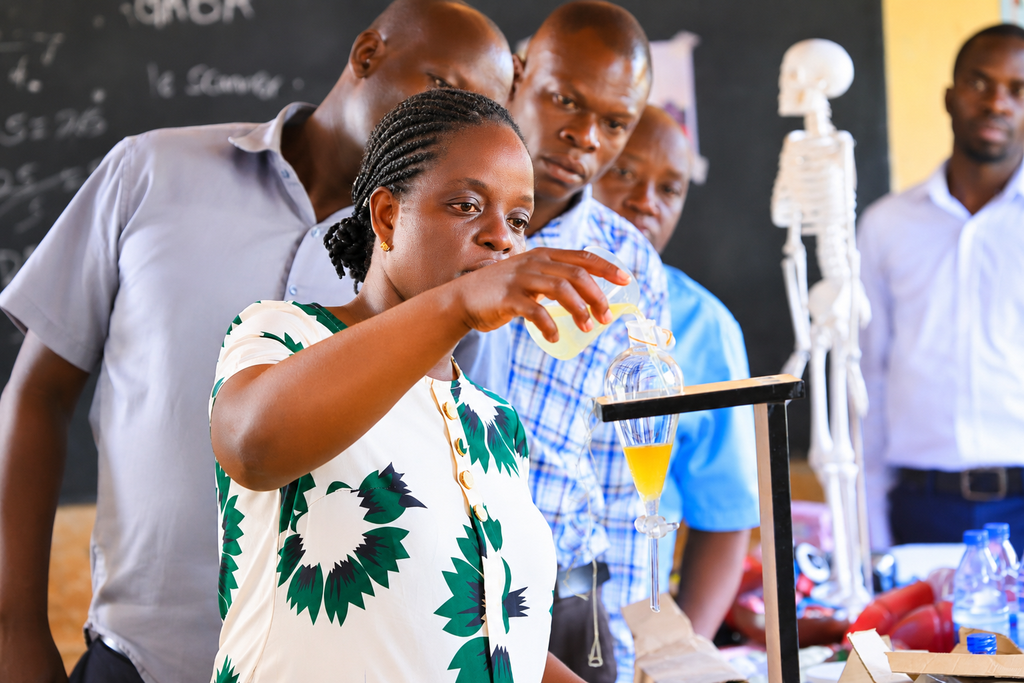
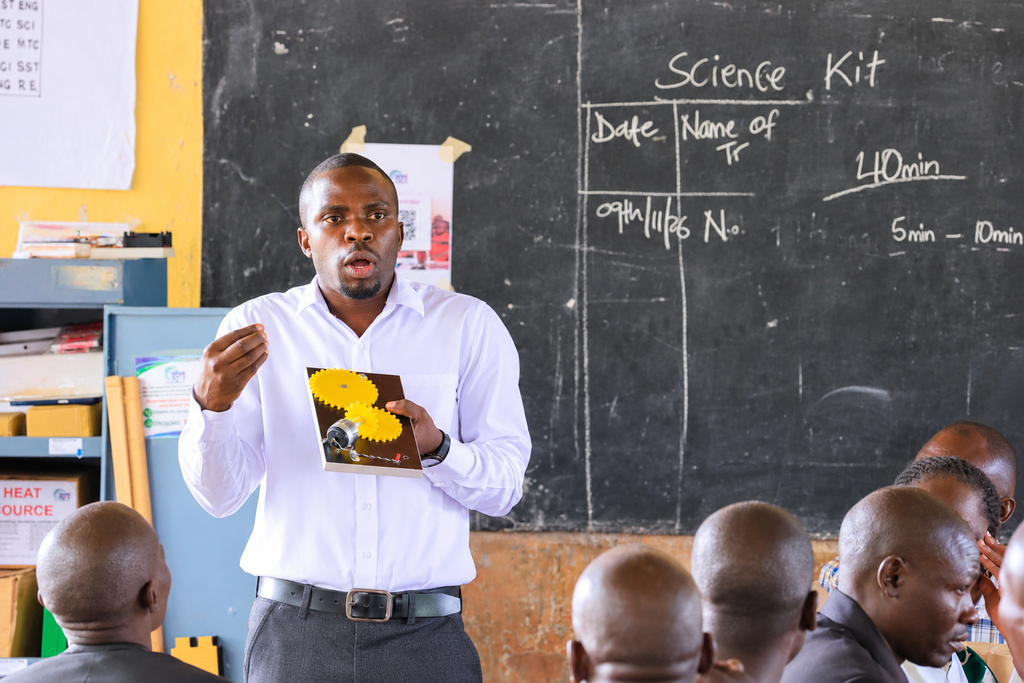
During a teacher training workshop held at Wesunire Primary School, educators from beneficiary schools were introduced to the different components of the Primary Science Kit and guided on how to integrate them into classroom instruction.
For Nyakesho Loyce, a Primary Four Science teacher at Buseete Primary School, the training was an eye-opening experience that has strengthened her confidence in delivering practical Science lessons.
“I have learnt a lot from this workshop. The Ministry of Education and Sports has given us the Science Kits, and today we have been inducted on how to use the different science models. I am confident that I will put everything I have learnt into practice to help my learners understand Science better,” she explains.
She believes that giving children opportunities to learn through practical activities will improve their understanding of scientific concepts and potentially strengthen their performance in the subject.
“Children understand better when they learn by doing practicals. I believe Science can become one of the best-performing subjects when learners are given the opportunity to explore and experience what they are taught,” she adds.
Bridging the Gap Between Theory and Practice
For many teachers, the biggest value of the Primary Science Kits lies in their ability to address the longstanding gap between theoretical instruction and practical learning.
Julius Selwanikon , a teacher in Buyende District, notes that several scientific concepts have traditionally been difficult to demonstrate because schools lacked the necessary materials.
“We have been teaching our pupils theoretically, yet most of the concepts require a practical component, which we have been lacking. I am very appreciative of this intervention because, from today onwards, I believe our learners will have a better opportunity to understand and engage with the concepts we teach,” he says.
The availability of practical teaching and learning materials is expected to make Science lessons more participatory, allowing learners to observe, experiment and connect classroom knowledge with real-life experiences.
Extending the Impact Beyond Beneficiary Schools
The impact of the training is also expected to extend beyond the teachers who directly participated in the workshop.
Msimami Anthony, a teacher at Evogaya Primary School, believes that the knowledge acquired will help teachers improve how they present scientific concepts while creating opportunities to share the skills with colleagues in other schools.
He observes that teachers have often struggled to simplify complex scientific concepts without adequate practical resources. However, the training has provided new approaches that can make Science instruction easier and more effective.
“We have been teaching Science from complex to simple, but after this workshop, I am confident that all the schools involved will benefit. The learners will gain from the practical knowledge we have acquired, and we shall also share what we have learnt with other teachers and staff members who did not participate in the training,” he explains.
This peer-to-peer knowledge-sharing approach is important in promoting the sustainability of the intervention and ensuring that more teachers benefit from the skills acquired.
Making Science Practical for Every Learner
The experiences of teachers and school leaders in Buyende District demonstrate that providing learning materials is only one part of strengthening Science education. Equally important is ensuring that teachers know how to use those materials to create meaningful classroom experiences.
Through its collaboration with the Ministry of Education and Sports, River Flow International continues to support practical Science education by providing innovative learning resources and strengthening teachers’ capacity to use them effectively.
The Primary Science Kits are designed to transform classrooms into interactive learning environments where children do not simply memorise scientific facts but observe, investigate, experiment and discover.
For the beneficiary schools in Buyende, the training marks an important step towards making Science more accessible, enjoyable and understandable for every learner.
As teachers return to their respective schools with renewed confidence and practical skills, the expectation is clear: more hands-on lessons, greater learner participation and a stronger foundation for scientific understanding.
Because when children learn by seeing, touching, experimenting and doing, Science moves beyond the pages of a textbook and becomes an experience.