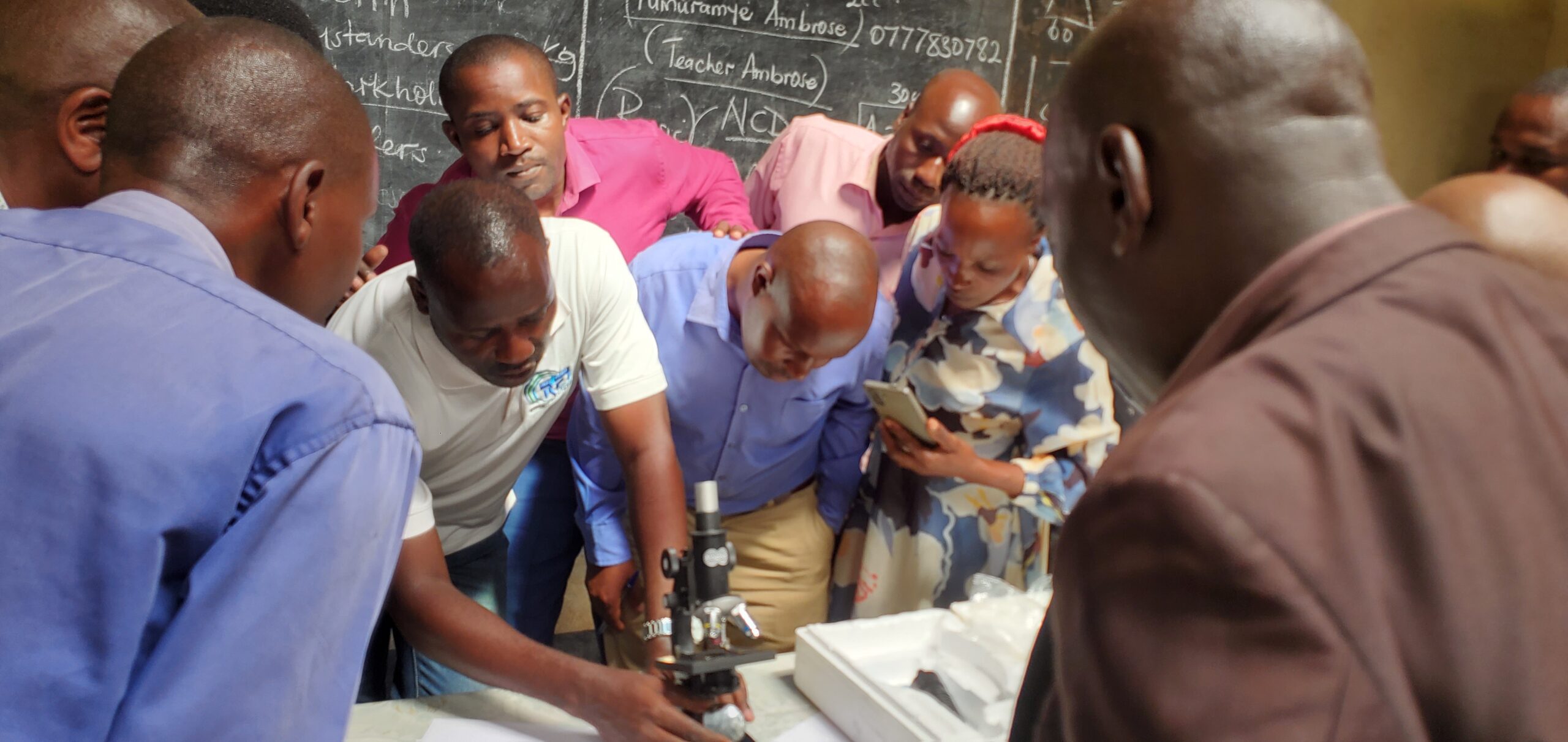
With opportunities to observe, experiment and discover, pupils in Kigezi Region are getting closer to understanding science beyond the pages of their textbooks.
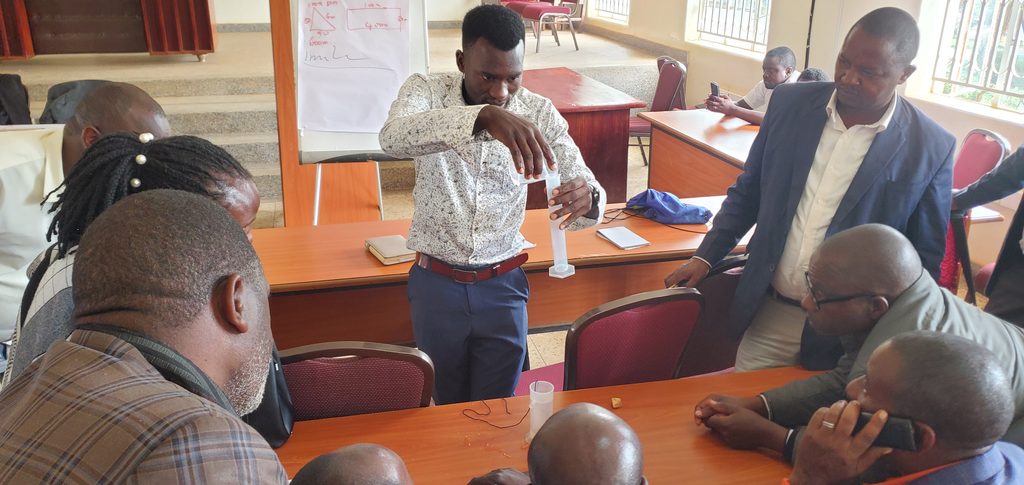
For many primary school learners, science has traditionally been taught through classroom explanations, textbook illustrations and theoretical discussions. While these approaches introduce important scientific concepts, limited access to practical learning materials often makes it difficult for pupils to connect what they learn in class to the world around them.
This learning experience is gradually changing for pupils in Kabale, Kisoro, Kanungu, Rubanda, Rukiga and Rukungiri District, following the distribution of Primary Science Kits by the Ministry of Education and Sports (MoES) to 20 government-aided primary schools.
The distribution, held at Kabale District Headquarters, is part of the government’s national initiative to strengthen practical science education and equip schools with mini-laboratory materials that enable learners to explore scientific concepts through hands-on experiences.
The programme targets all 135 government-aided primary schools in Kabale District, with the broader ambition of expanding access to practical science learning across Uganda.
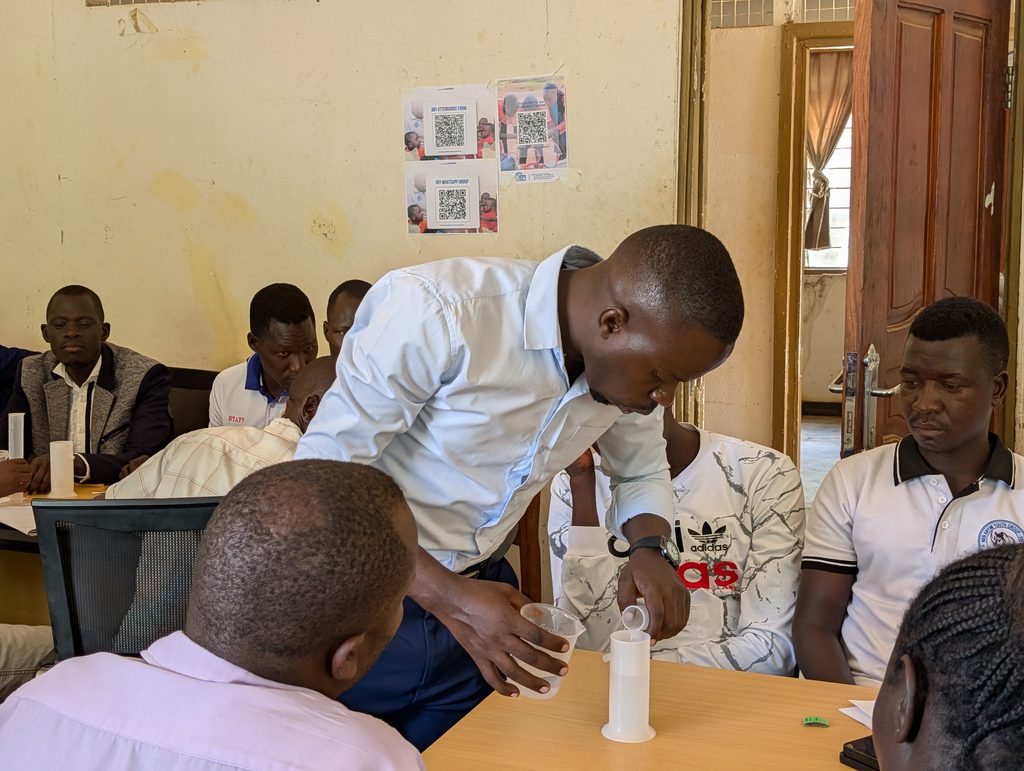
For pupils, the kits represent more than just classroom equipment. They provide opportunities to observe, experiment, ask questions and discover scientific principles through practical activities, making learning more engaging, meaningful and relatable.
Turning Science Lessons into Practical Experiences
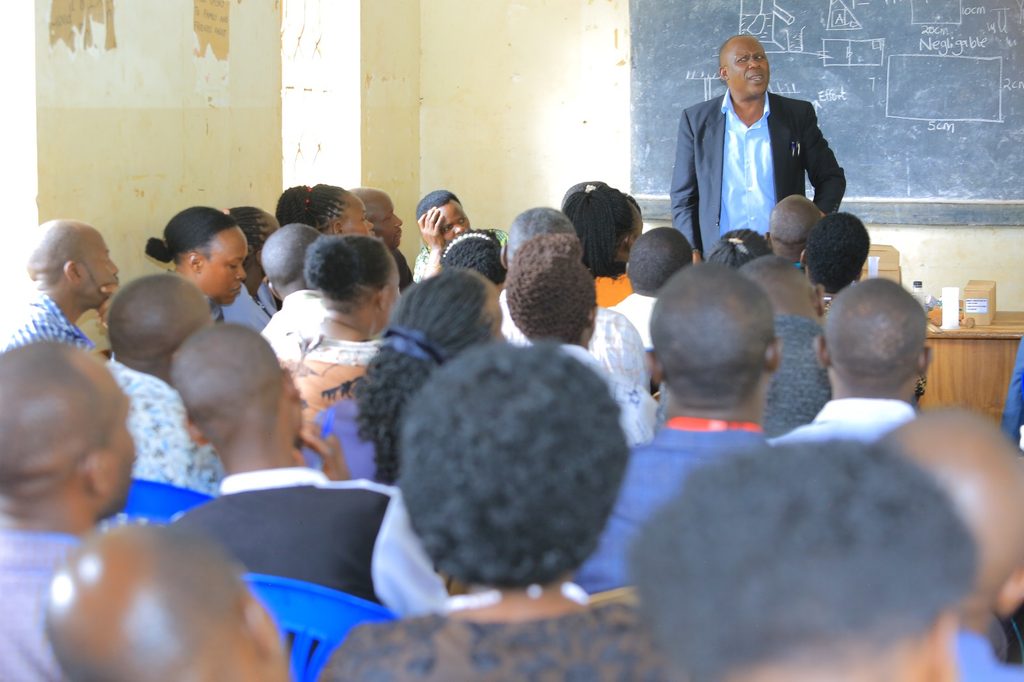
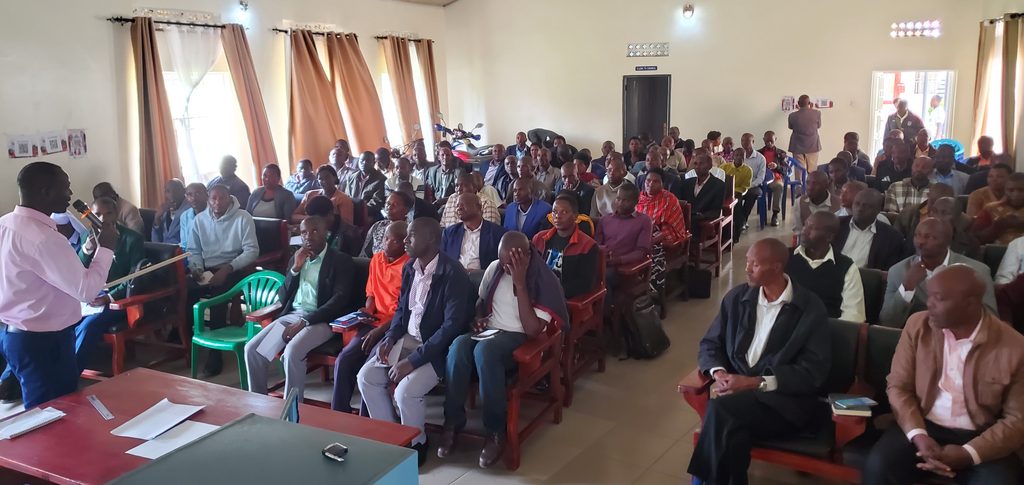
Presiding over the distribution exercise on behalf of the Kabale District Chairperson, Denis Nzeirwe Ndyomugyenyi, Medius Katushabe, the District Councillor representing women in Kitumba Sub-county and Secretary for Education and Health on the District Executive Committee, urged headteachers to ensure that the equipment is properly maintained and put to effective use.
She encouraged teachers who had received training in the use of kits to share their knowledge with colleagues to strengthen practical science instruction across schools.
Katushabe emphasised that the success of the initiative would not be measured by the number of kits distributed but by how effectively schools integrate the materials into everyday classroom teaching.
Kabale District Education Officer Moses Bwengye called upon teachers to utilise the equipment to support the implementation of the new competency-based education curriculum, which places emphasis on practical learning and the development of learners’ skills.
He noted that incorporating the materials into regular science lessons would help pupils understand scientific principles through demonstrations, experiments and hands-on activities.
Representing the Kabale Chief Administrative Officer, Senior Assistant Secretary Emmy Namanya urged teachers to give learners opportunities to handle and use the materials rather than simply displaying or referring to them during lessons.
She further emphasised the importance of developing learners’ abilities from the lower primary classes, noting that preparing pupils for examinations and higher levels of education should begin early through consistent learning experiences.
Teachers at the Centre of Transformation
While providing schools with practical learning materials is an important step, teachers remain central to ensuring that learners benefit from the initiative.
Julius Mugambagye, Headteacher of Kyanamira Primary School, welcomed the distribution, noting that the kits would strengthen science teaching and learning by giving pupils opportunities to observe, handle and experiment with different learning materials.
He explained that practical learning enables pupils to connect classroom theories with real-life experiences, making scientific concepts easier to understand and retain.
However, headteachers called upon the government to sustain teacher training initiatives to ensure that educators have the technical knowledge and confidence required to use the equipment effectively.
Building Teachers’ Capacity Across Six Districts
Recognising that effective science instruction depends on both appropriate learning materials and teachers’ capacity to use them, the broader programme has also prioritised teacher training.
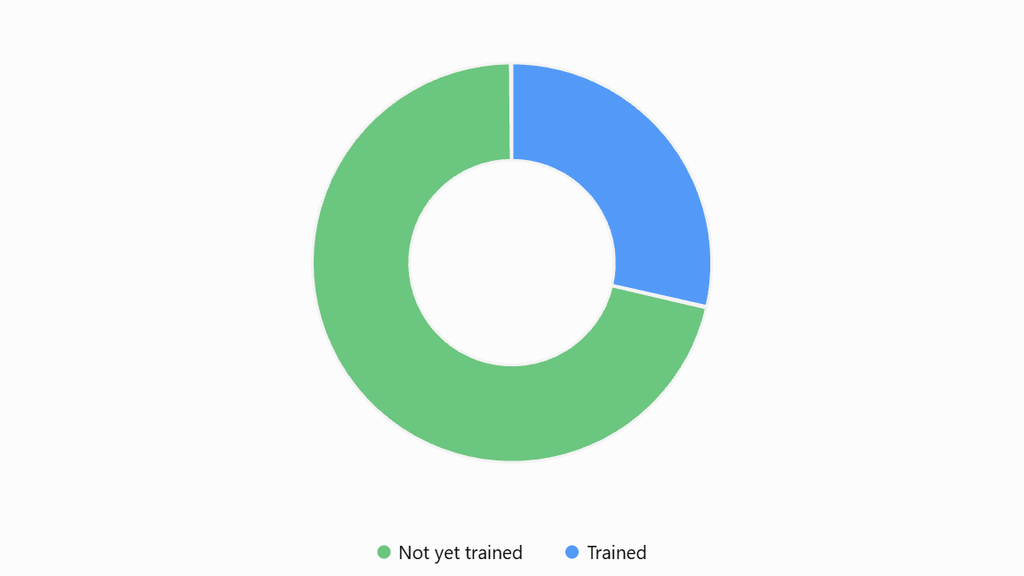
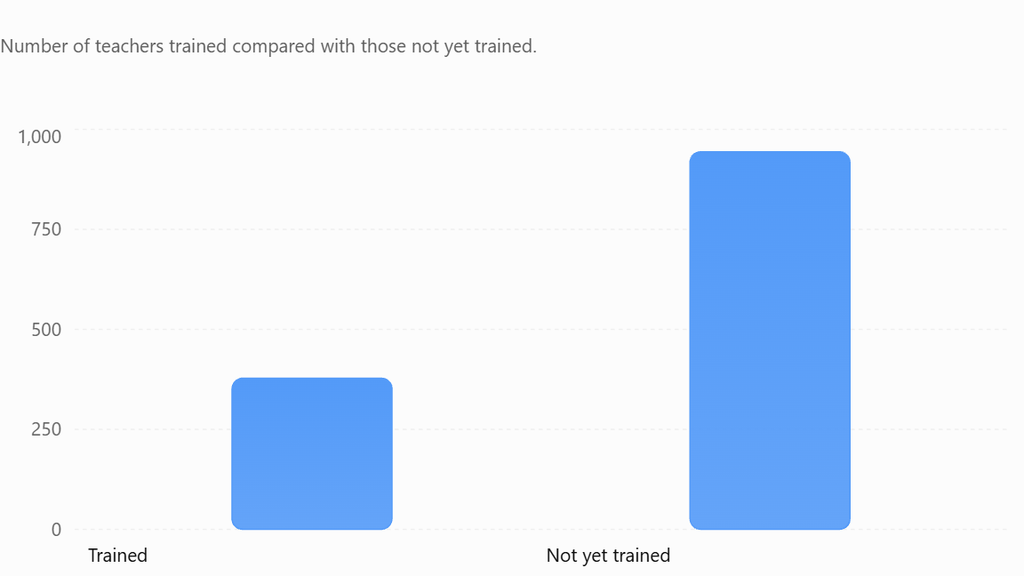
Across Kisoro, Kabale, Kanungu, Rubanda, Rukiga and Rukungiri districts, 378 primary science teachers out of a total of 1,322 have been trained in the effective use of materials contained in the Primary Science Kits.
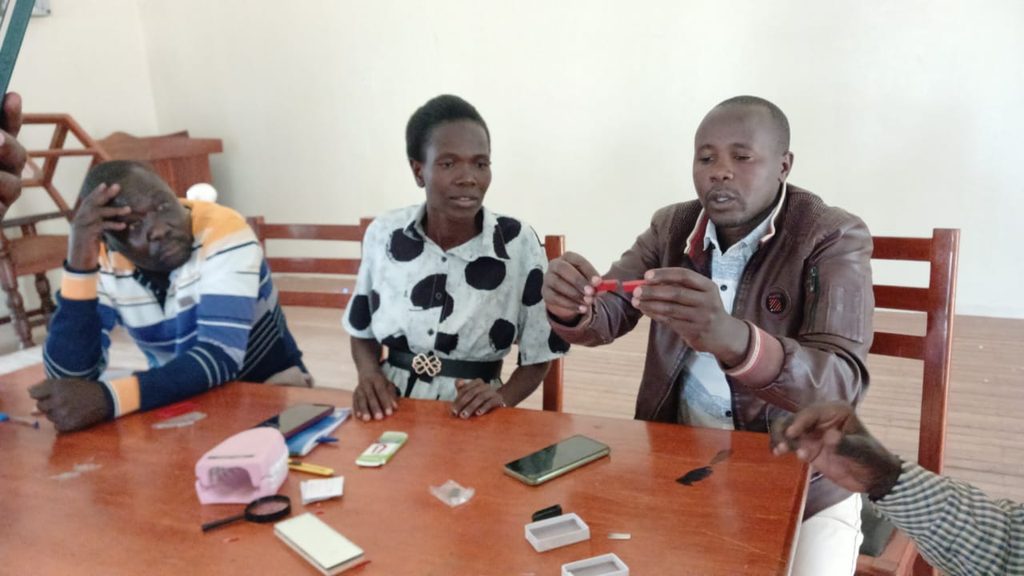
The training equips teachers with practical skills to conduct science demonstrations, guide learners through simple experiments and make science lessons more interactive and learner centred.
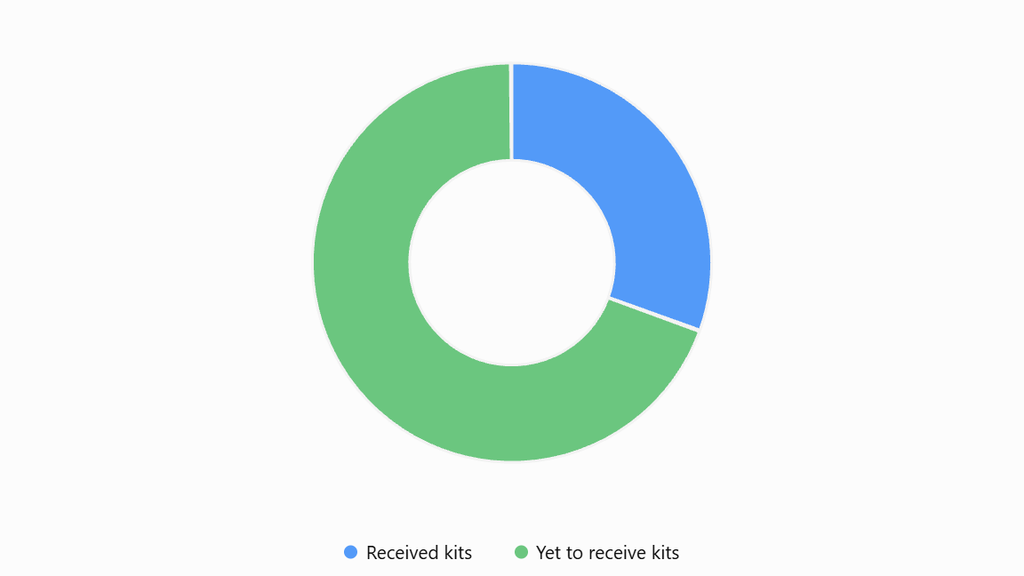
Despite this progress, significant gaps remain in access to practical science materials. Out of 661 government-aided primary schools across the six districts, only 202 schools, including schools in the municipalities and districts, have received Primary Science Kits from the Ministry of Education and Sports.
The figures highlight the need for continued investment in the distribution of science kits and sustained teacher capacity development to ensure that more schools and learners benefit from practical science education.
Expanding Opportunities for Future Scientists
The Ministry of Education and Sports is promoting practical science education at primary level through implementing the Mini-Laboratory Learn aid initiative to improve science teaching, strengthen learning outcomes and encourage more pupils to pursue science-related subjects at higher levels of education.
The programme seeks to address the challenges associated with teaching science predominantly through theoretical explanations, particularly in schools with limited access to laboratory facilities and practical learning materials.
Through the provision of science kits, pupils can conduct simple experiments, observe scientific processes and develop critical thinking, creativity and problem-solving skills.
Over the five financial years beginning in 2021/2022, the government procured 3,156 mini-laboratory science kits for distribution to government-aided primary schools across the country, with each kit intended to serve as a practical learning resource for one school.
For pupils in Kabale and other beneficiary districts, the initiative presents an opportunity to experience science differently: not simply as a subject to read about and memorise, but as a field of discovery, experimentation and innovation.
As the programme continues to expand, sustained government investment, effective utilisation of the equipment, proper maintenance and continuous teacher training will be essential to ensure that practical science education reaches more classrooms.
At River Flow International, we recognise that meaningful science education begins when learners are given the opportunity to explore, experiment and discover. By supporting practical, learner-centred approaches to science teaching, we remain committed to contributing to an education system that nurtures curiosity, builds scientific skills and inspires the next generation of innovators.