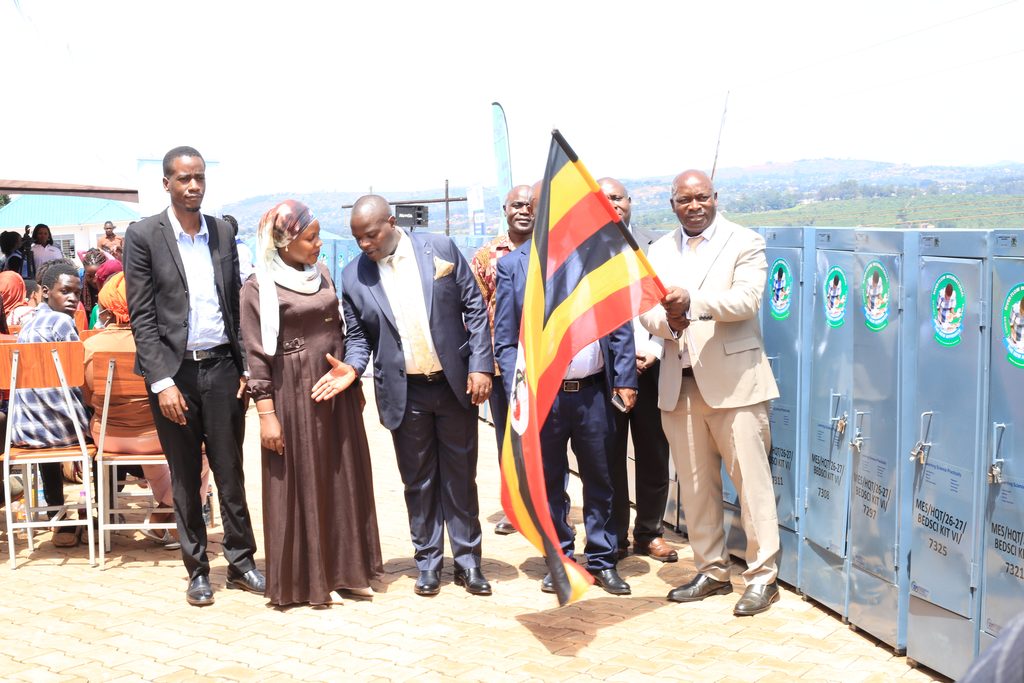
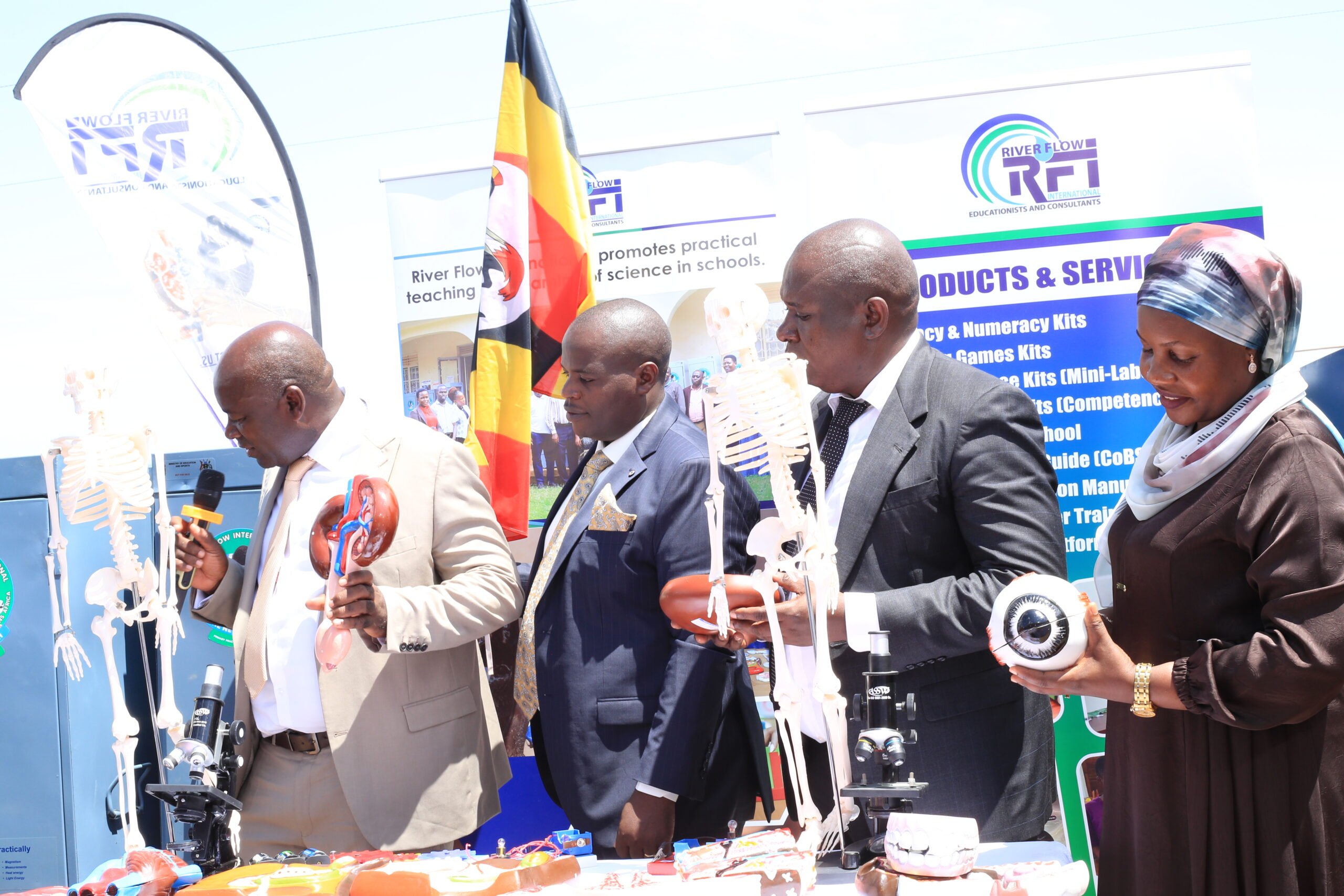
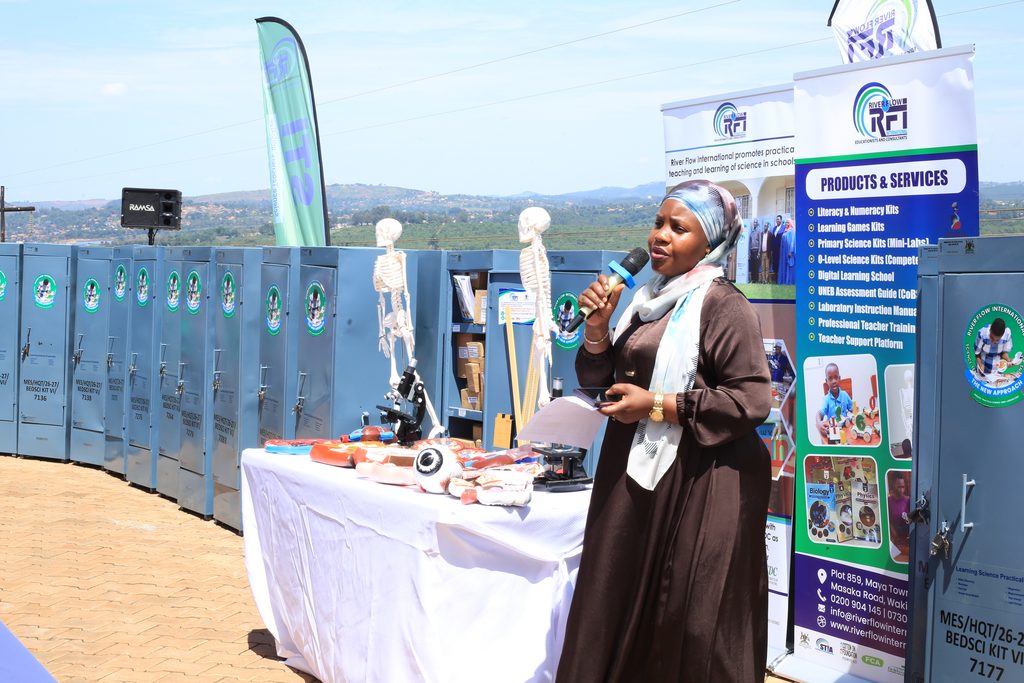
Kampala, Uganda — The Government of Uganda has flagged off 733 primary science learning kits to 42 district local governments, in a continued effort to strengthen practical science education and improve access to learning materials in public primary schools.
The latest distribution is part of the Government’s broader effort to make science more practical, engaging and learner-centred by equipping schools with materials that enable pupils to learn through observation, experimentation and hands-on activities.
Since the 2021/2022 financial year, the Government, working with education partners including River Flow International (RIFI), has supported the distribution of more than 6,989 science kits to primary schools across the country.
According to the Ministry of Education and Sports, 3,889 of Uganda’s 12,550 public primary schools have so far received science kits, representing approximately 31 percent of the country’s public primary schools.
The Government’s long-term ambition is to ensure that every public primary school has access to a science kit.
Making Science Practical
For River Flow International, the distribution represents an important step towards transforming how science is taught and experienced in Uganda’s primary schools.
The organisation has developed and supported the use of practical science learning resources designed to help teachers move beyond theoretical instruction and give learners opportunities to interact directly with scientific concepts.
Education officials say the approach is already changing learners’ experiences in the classroom.
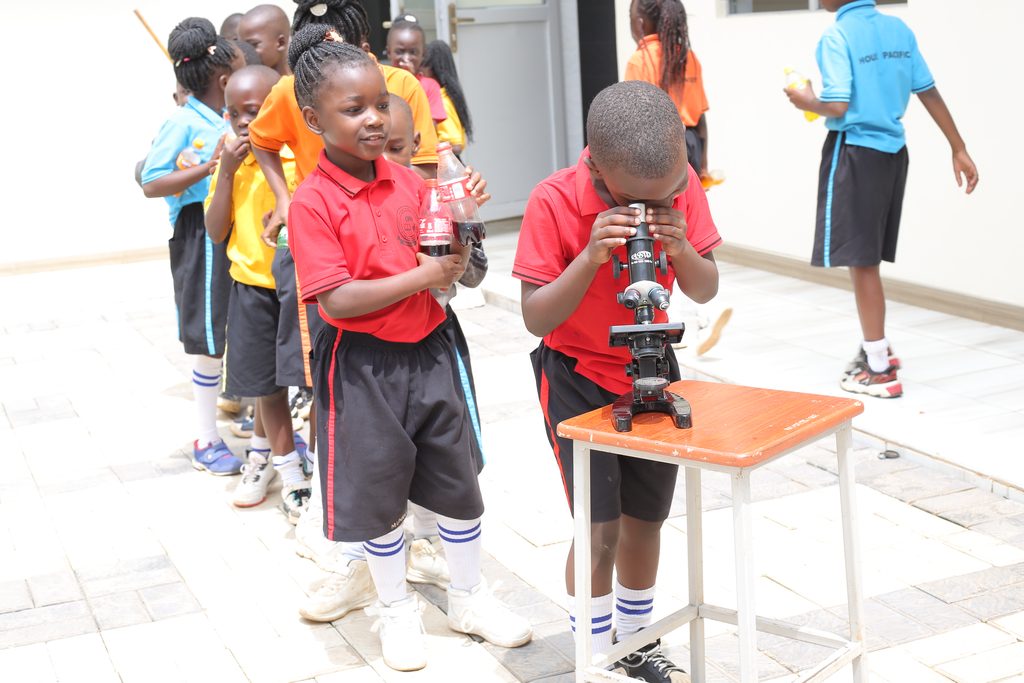
Instead of relying solely on illustrations drawn on a chalkboard, learners can now observe and handle materials related to concepts being taught.
“What was in the picture on the chalkboard is now physically in the palm,” an education official explained, highlighting how teachers can use the materials to demonstrate concepts such as parts of the human body and biological processes.
The approach is expected to make science lessons more engaging while helping learners develop a deeper understanding of scientific concepts.
Supporting Teachers to Teach Better
The science kits are also intended to support teachers by simplifying the delivery of complex science concepts.
In some districts, teacher shortages remain a challenge. One district, for instance, has approximately 1,700 teachers against 277 reported vacancies.
While the science kits are not a substitute for teachers, education officials say the availability of appropriate learning materials can help teachers deliver lessons more efficiently by making difficult concepts easier to demonstrate and understand.
“Teachers can use these materials to make their teaching simpler. They reduce the time needed to cover concepts and make it easier to explain things that are difficult to communicate through words alone,” an education official said.
River Flow International, however, emphasises that providing equipment must go hand in hand with teacher support.
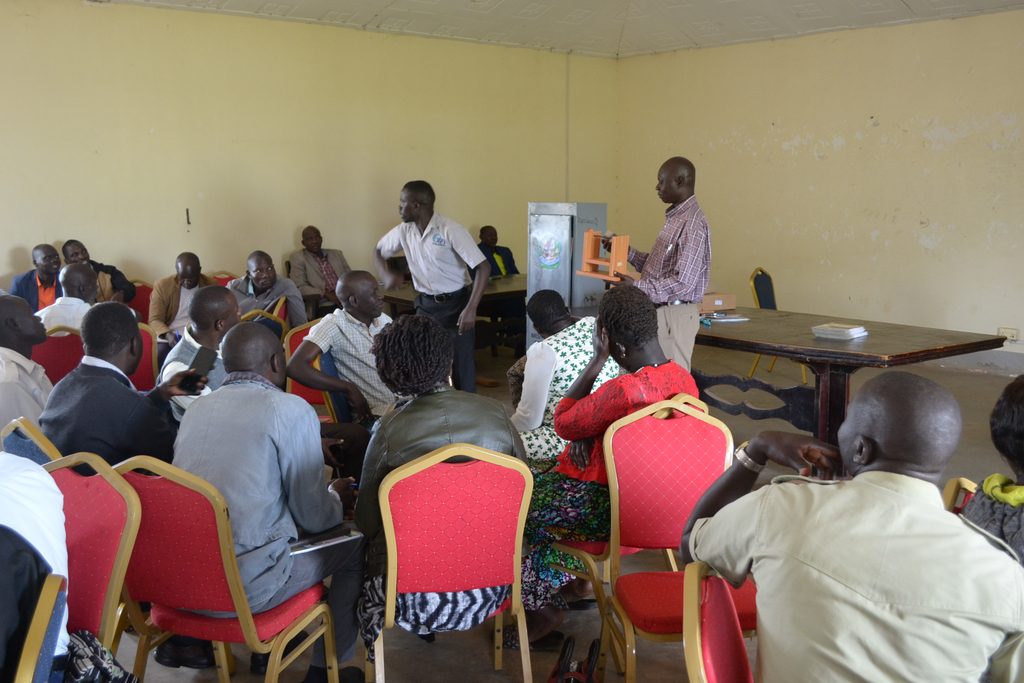
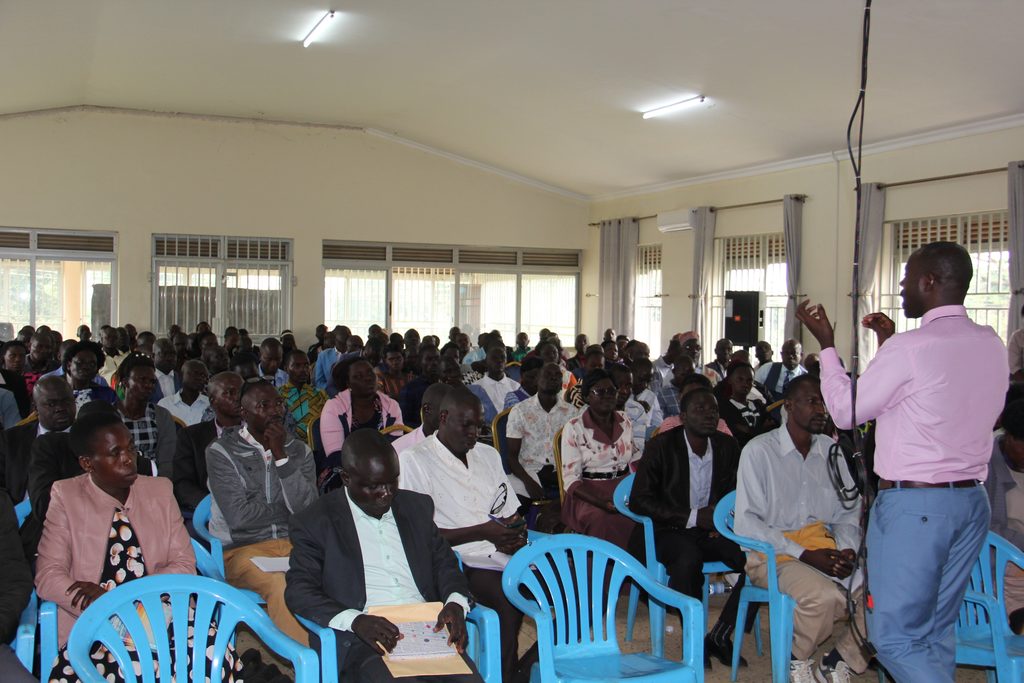
Some teachers require additional technical support to effectively use equipment such as microscopes and other practical learning materials. Through teacher training and support, RIFI seeks to ensure that educators are equipped with the knowledge and confidence needed to integrate the kits into everyday classroom instruction.
Reaching More Schools
The programme is being implemented alongside wider education reforms, including efforts under the National Teachers Policy to strengthen teacher professionalism and promote specialisation.
The Ministry of Education and Sports says the programme is intended to address disparities in access to learning materials and benefit schools regardless of their academic performance.
The latest consignment of 733 kits therefore marks another step towards the Government’s goal of ensuring that practical science learning resources are available across the country.
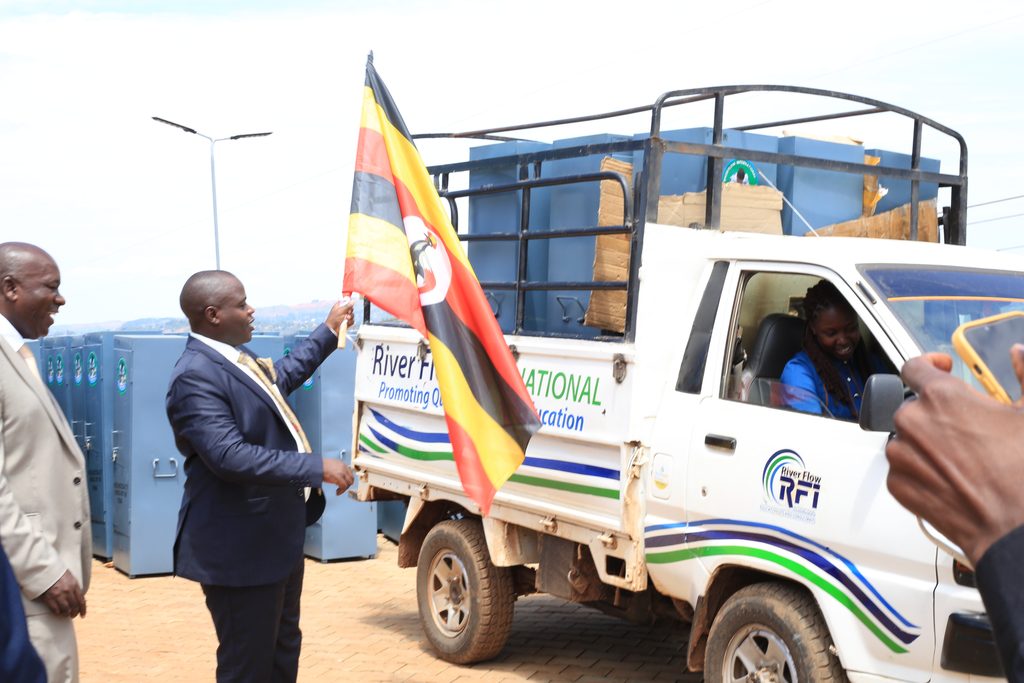
For River Flow International, the vision goes beyond distributing equipment.
It is about creating classrooms where learners can see, touch, explore and understand science.
The organisation believes that when learners are given the opportunity to interact with scientific materials, abstract concepts become more understandable, lessons become more engaging and teachers are better able to facilitate meaningful learning.
As Uganda continues to invest in improving the quality of education, partnerships between Government, education institutions and organisations such as River Flow International remain important in advancing a practical, inclusive and learner-centred approach to science education.