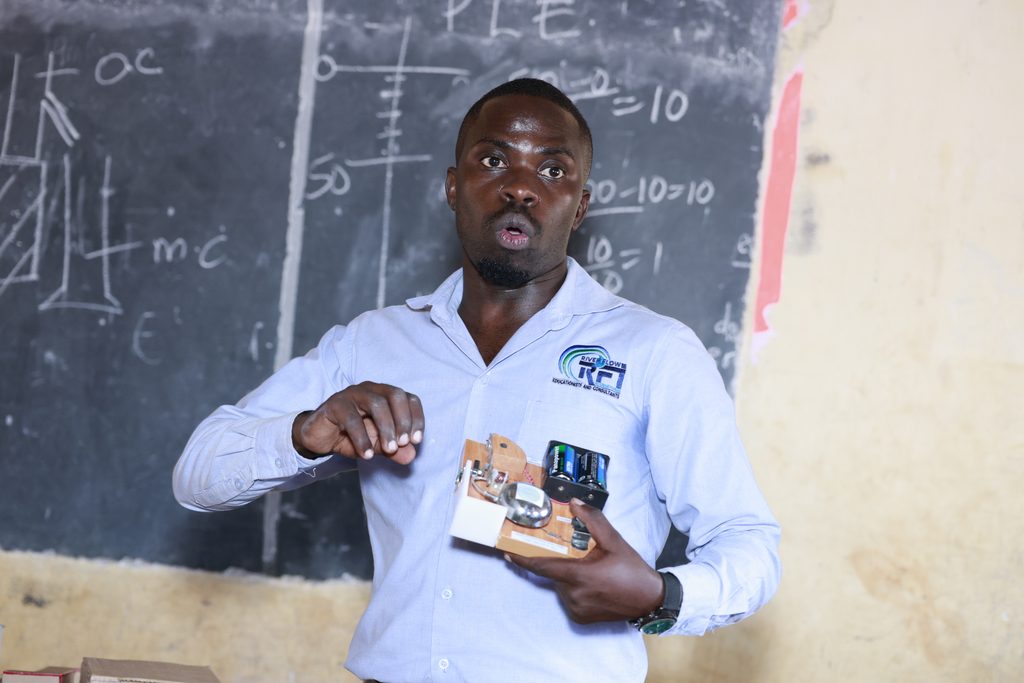
For years, Emmanuel Kainaki taught science the way many teachers across Uganda have done it, using a chalkboard, textbooks and drawings to explain concepts that learners could only imagine.
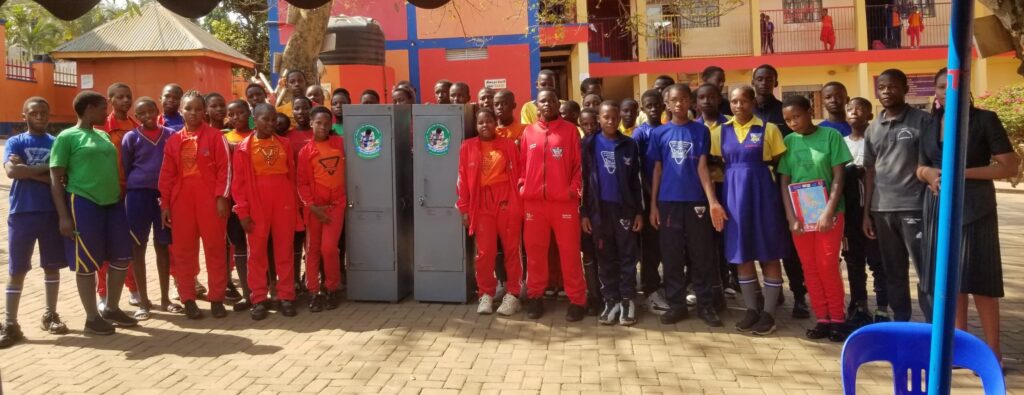
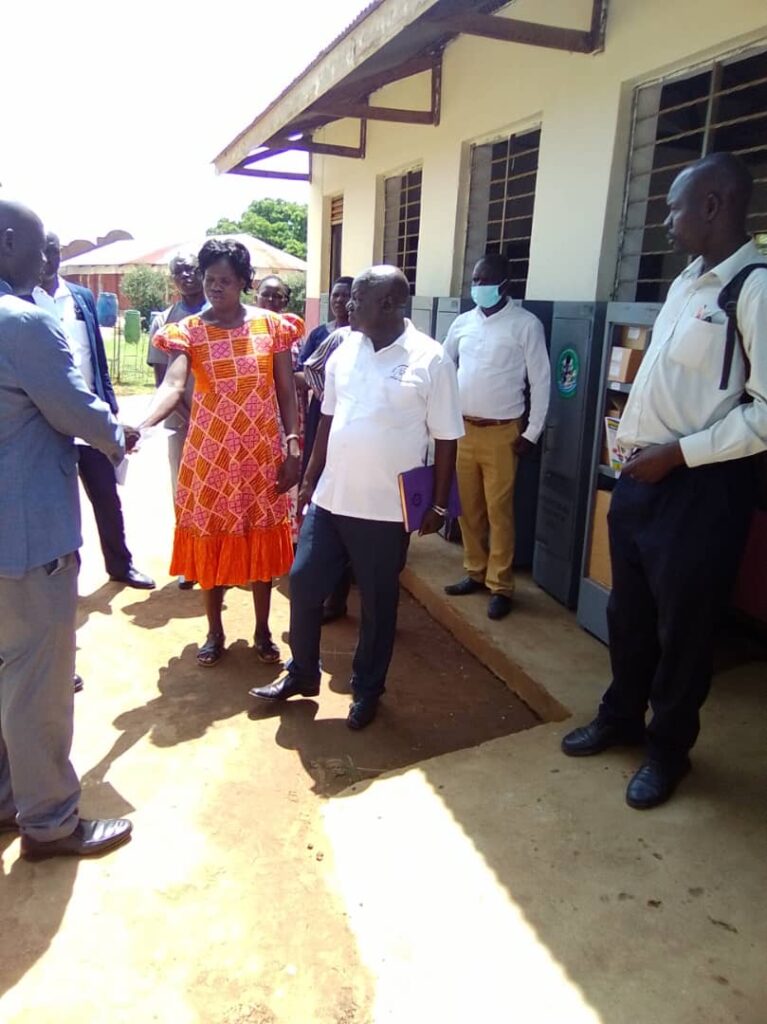
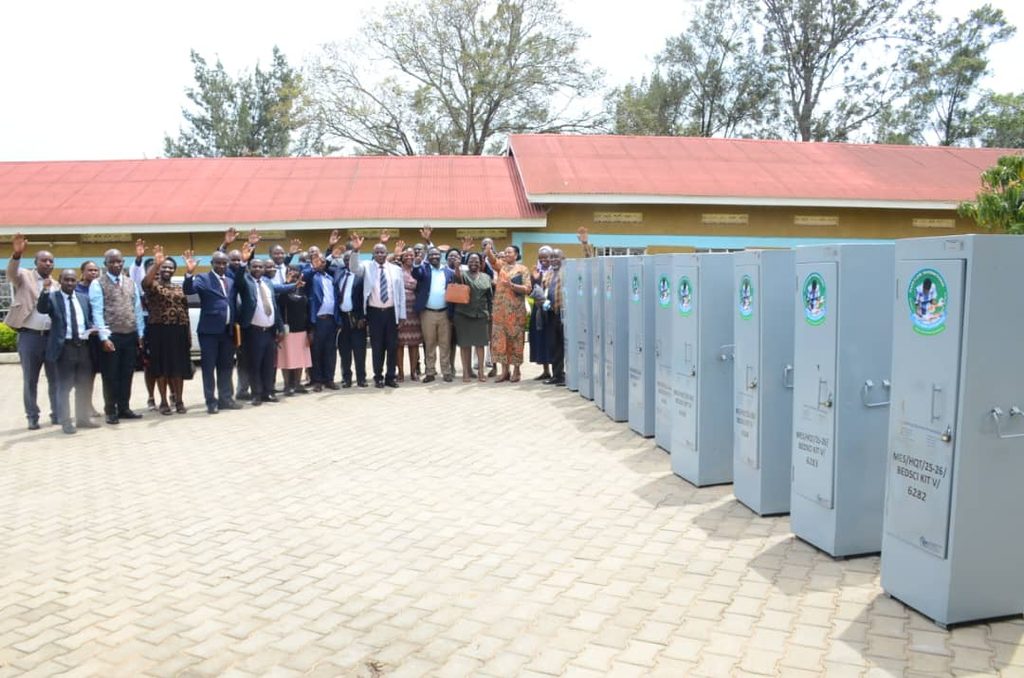
A science teacher in Bugiri, Kainaki recently joined other teachers from government-aided schools in the Busoga sub-region for a practical training on how to use Primary Science Kits provided through the Ministry of Education and Sports in partnership with River Flow International.
For him, the training was more than just another professional development session. It offered a solution to one of the biggest challenges he has faced in teaching science: helping learners understand things they cannot see, touch or experience.
“As a teacher, first of all, I thank the Government of Uganda for this initiative. They have made my work easy,” Kainaki said.
He remembers the difficulties of teaching science concepts using only the chalkboard.
Previously, when a lesson required diagrams or illustrations, he would have to spend time drawing them for learners. Even then, the drawings could not always give learners a clear understanding of what he was teaching.
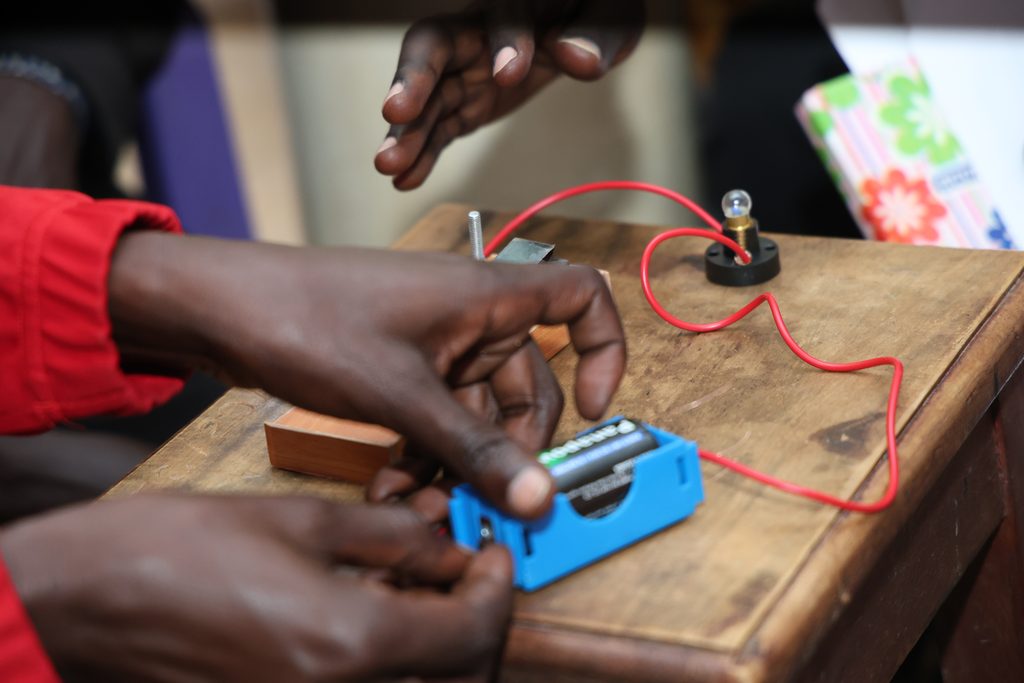
“All those diagrams that I was going to struggle to look for or draw for them, now I have them. My learners can touch, can feel, can appreciate them.”
For Kainaki, this simple difference could have a significant impact on how learners experience science.
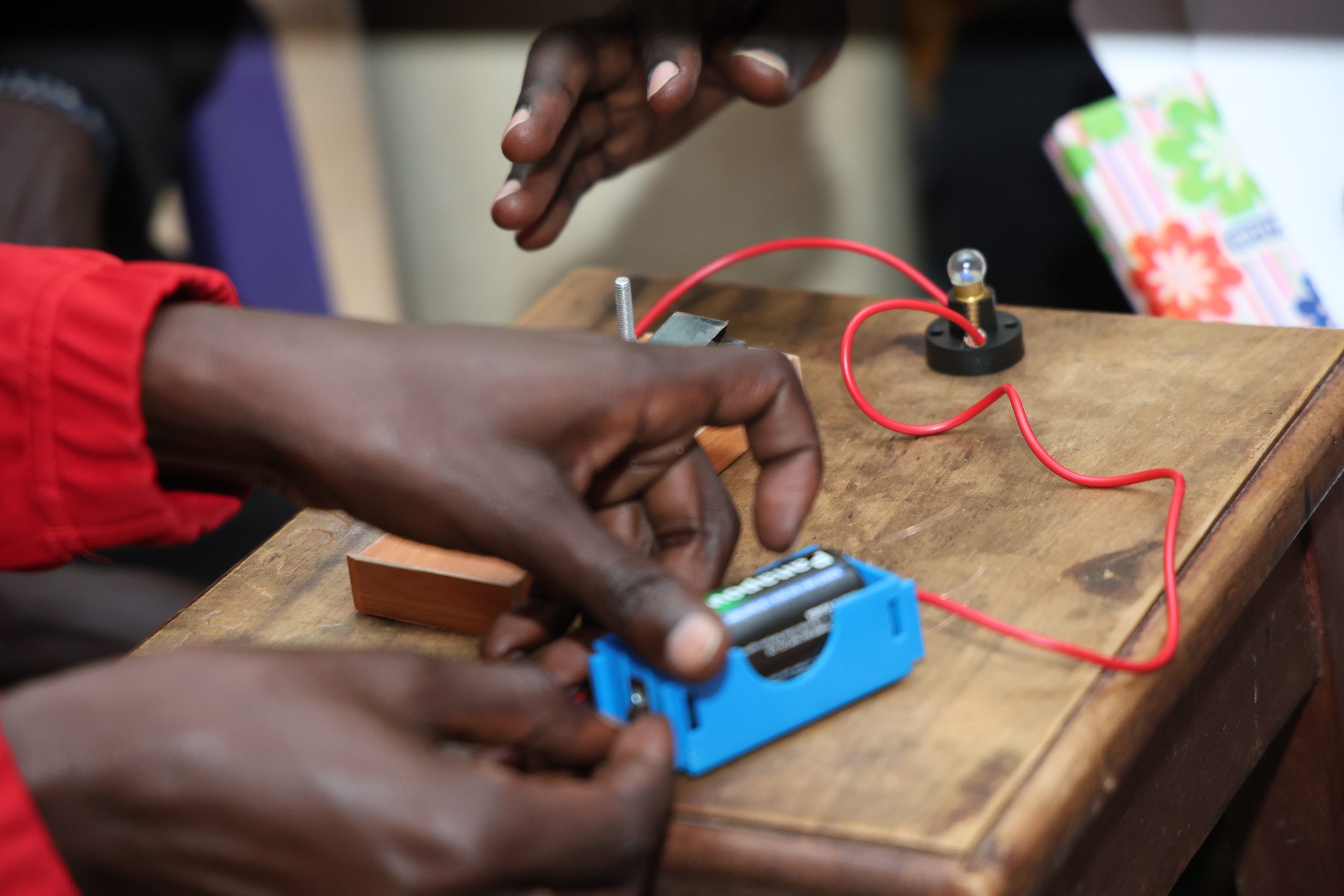
Instead of simply listening to explanations or copying notes from the chalkboard, learners can now interact with models and other learning materials as they explore scientific concepts.
He believes this is particularly important because science is not a subject that should exist only in textbooks.
“Science is around us. Science is a practical subject. Science requires hands-on. Science requires experience. Science requires experimentation,” he explains.
For many years, however, he says learners have often experienced science differently—copying notes from the chalkboard, memorising concepts and later reproducing them in examinations.
The science kits offer an opportunity to change this approach by helping teachers move from teaching science as something to remember to teaching science as something to experience.
One of Kainaki’s biggest concerns has been teaching learners concepts that are difficult to explain without practical materials.
“You talk of something, but when these learners cannot understand it,” he says.
The models and materials in the science kits, however, help bring those abstract concepts closer to learners.
With the materials in their hands, learners can see and interact with what their teacher is explaining—making lessons more relatable and easier to understand.
For Kainaki, this is what makes the initiative particularly valuable.
“When we bring in these models that have been given to us, at least we can try to bring some ideas which are very far closer to the learners.”
His experience reflects a broader effort by the Ministry of Education and Sports to strengthen science, technology, engineering and mathematics (STEM) education in Uganda.
The supply of Primary Science Kits to UPE schools began in 2021, with the aim of making science more practical, enjoyable and easier for learners to understand. Alongside the distribution of the kits, teachers have been trained on how to effectively use the materials during lessons.
For Kainaki, the impact is already visible—not only in the materials available to him, but also in the possibilities they create for his learners.
“I’m going to teach with a lot of ease. They have brought almost everything I need in the teaching and learning process.”
As Uganda continues to place greater emphasis on science and technology, teachers like Kainaki are at the centre of turning that ambition into reality.
For him, the science kit is not simply a box of teaching materials.
It represents a shift, from chalkboard to hands-on learning, from memorising to experiencing, and from imagining science to seeing it come alive in the classroom.