What happens when learners move beyond simply reading about science and begin to see, touch, explore, and experiment with it?
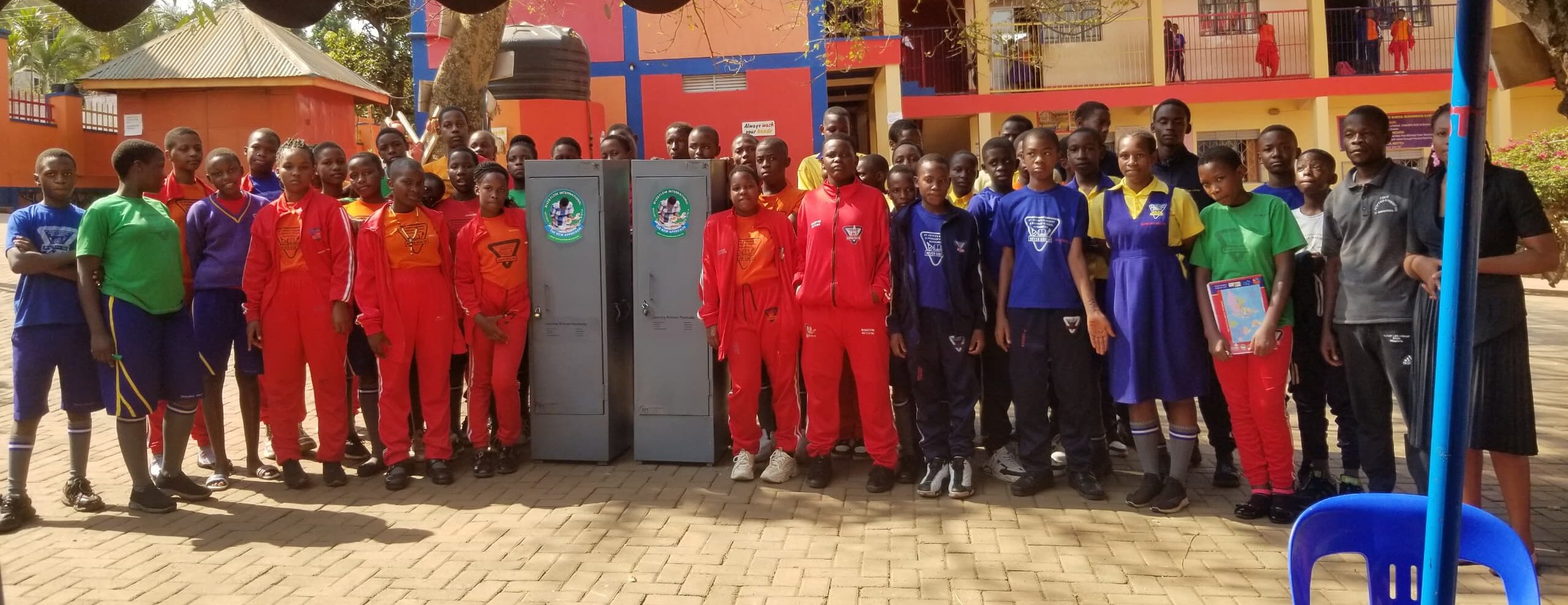
Across several schools in Uganda, a new approach to primary science education is helping make learning more practical, engaging, and meaningful.
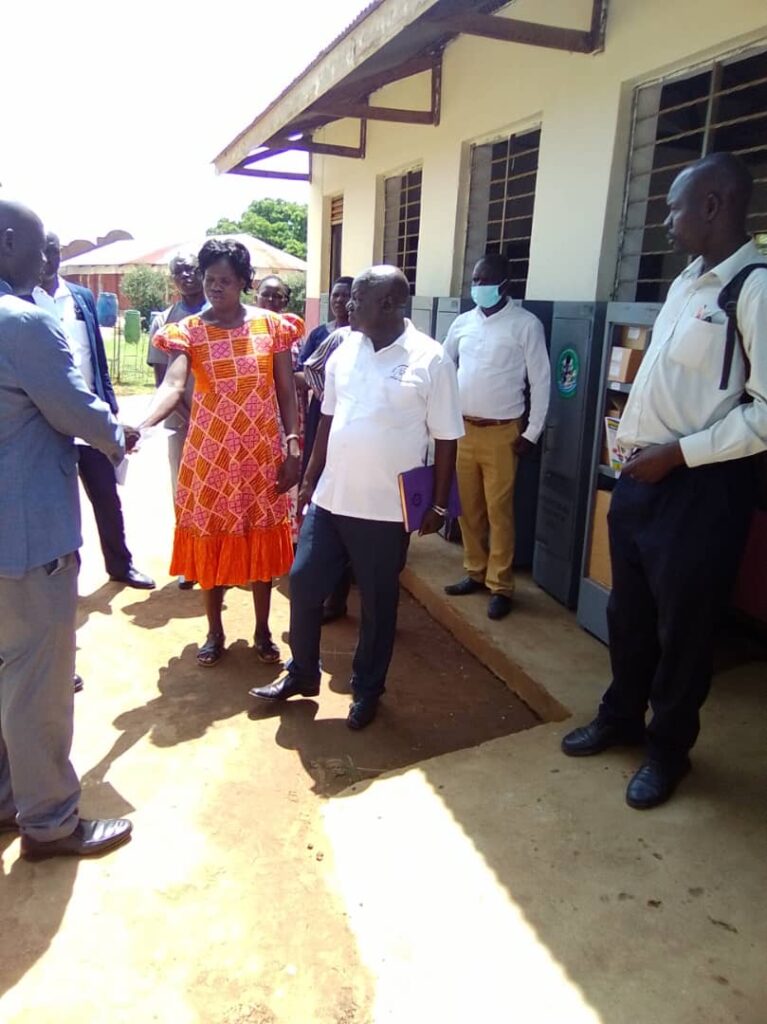
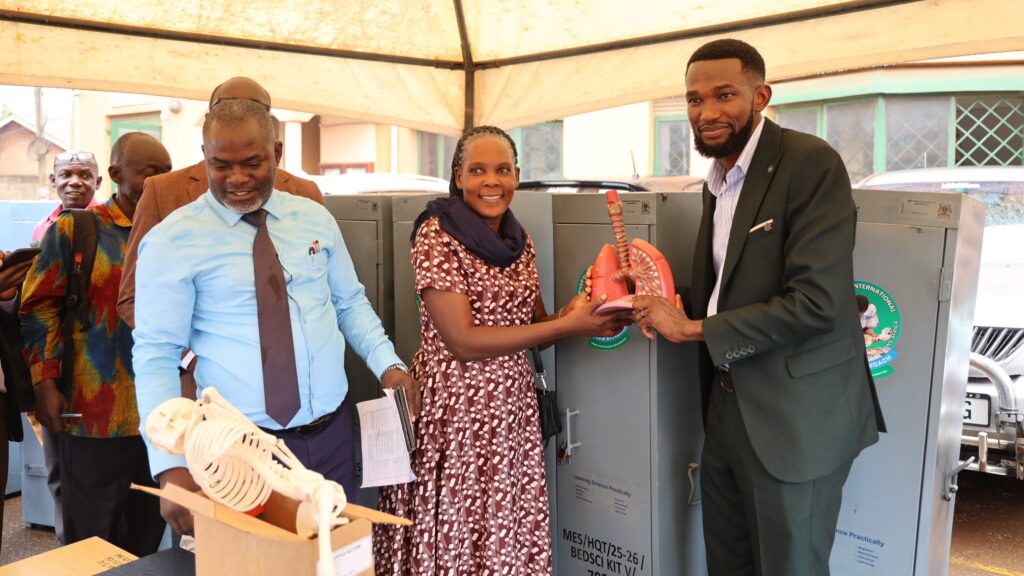
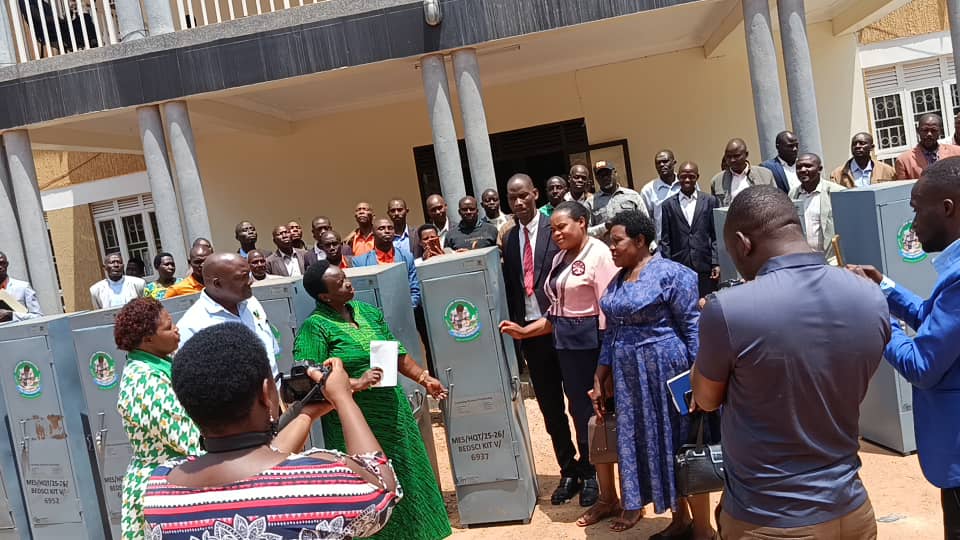
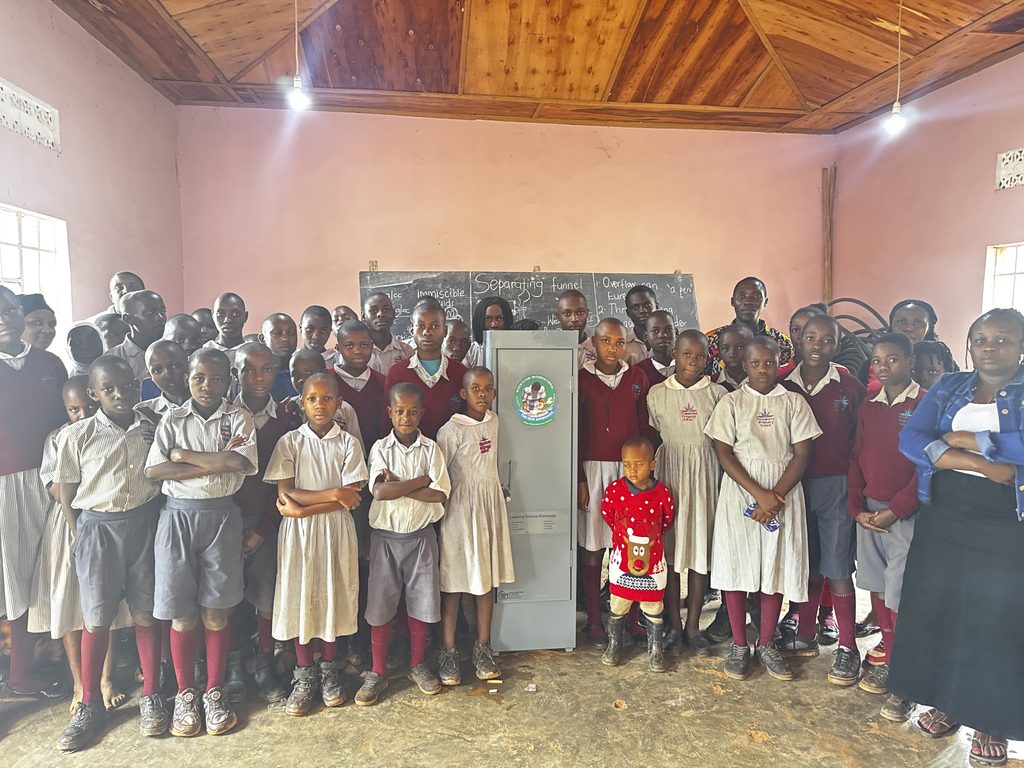
With support from a donor under the Federation for Free Education Initiatives Uganda, seven selected schools received Primary Science Kits from River Flow International, alongside training to equip teachers with the knowledge and practical skills needed to use the materials effectively in the classroom.
The initiative goes beyond simply providing equipment. It is about empowering teachers, strengthening classroom practice, and giving learners opportunities to experience science through observation, experimentation, demonstration, and discovery.
Bringing Science to Life in the Classroom
At Golden Treasure Primary School in Hoima, the Primary Science Kit is helping bring practical learning into the classroom.
Teachers were trained in how to use the materials to demonstrate scientific concepts, while learners are given greater opportunities to participate actively in lessons. Instead of science being confined to textbooks, learners can now engage with materials that help them see how scientific concepts work in real life.
At Hidden Glory Primary School in Luwero, the science kit is helping teachers transform abstract scientific concepts into practical learning experiences.
With the right materials available, teachers can demonstrate concepts more clearly, encourage learners to ask questions, make observations, and develop a deeper understanding through discovery.
At Bright Future Primary School in Kakiri, practical science is becoming more than a subject studied from a textbook, it is becoming an experience.
Through the training, teachers gained practical skills in using the different materials in the kit and integrating them into learner-centered lessons. This enables learners to participate more actively and develop curiosity, critical thinking, and problem-solving skills.
Making Science Practical in Buikwe
In Buikwe District, Kisaakye Primary School is among the schools benefiting from the initiative.
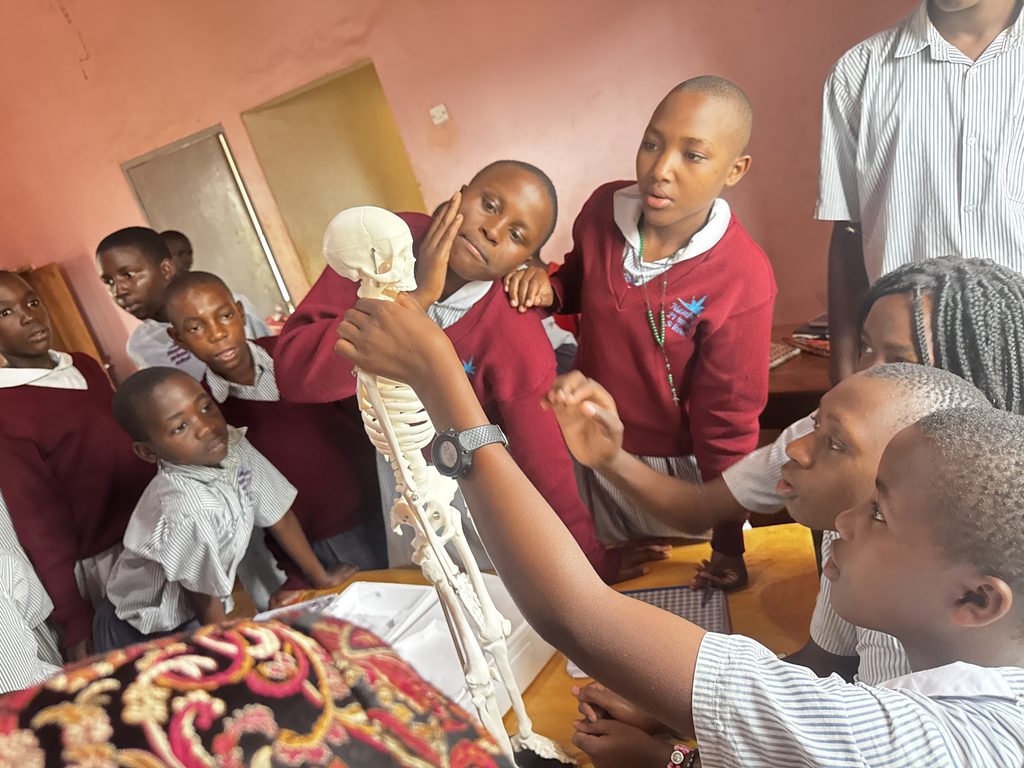
The Primary Science Kit provides teachers with practical resources that can help learners understand scientific ideas through observation, demonstration, and hands-on activities.
At Kibirige Memorial Primary School, teachers are also being equipped to make better use of practical science materials in their classrooms.
The training ensures that receiving a science kit is not the end of the intervention. Instead, it is the beginning of a process aimed at helping teachers confidently integrate practical activities into their everyday science lessons.
From Theory to Experimentation in Wakiso
At St. Peter’s Bunamwaya Primary School in Wakiso, learners are being introduced to a more interactive way of learning science.
The practical materials create opportunities for learners to participate in lessons, work together, observe scientific processes, and connect classroom theory with real-life experiences.
At Nambeeta Primary School, the Primary Science Kit is creating new opportunities for practical science learning.
Teachers have been trained in the effective use of the materials, strengthening their ability to integrate practical activities into everyday lessons.
For the learners, the experience is opening a new understanding of what science can be.
“We have learned about measurement and how to find density. We have also explored different parts of the human body, including the ear, heart, and teeth. We have used the microscope to observe things such as stomata in leaves.
The science kit has helped us understand that science is something we can see, explore, and experience, not just read about in a book.”
Investing in Teachers, Inspiring Learners
The initiative demonstrates the importance of partnerships in strengthening science education.
With support from a donor under the Federation for Free Education Initiatives Uganda, the selected schools received Primary Science Kits through River Flow International, together with training to ensure teachers can use the materials effectively.
The investment therefore goes beyond providing equipment.
It is about building teachers’ capacity, improving classroom practice, and giving learners the opportunity to experience science in a practical and meaningful way.
From Hoima to Luwero, Kakiri, Buikwe, and Wakiso, these seven schools are demonstrating what is possible when teachers have the right tools, the right skills, and the opportunity to make science practical.
The journey continues, one classroom, one teacher, and one learner at a time.
Through its partnerships and commitment to practical science education, River Flow International continues to support a generation of curious, confident, creative, and innovative learners who are not only taught science, but are given the opportunity to see it, touch it, explore it, and experience it.