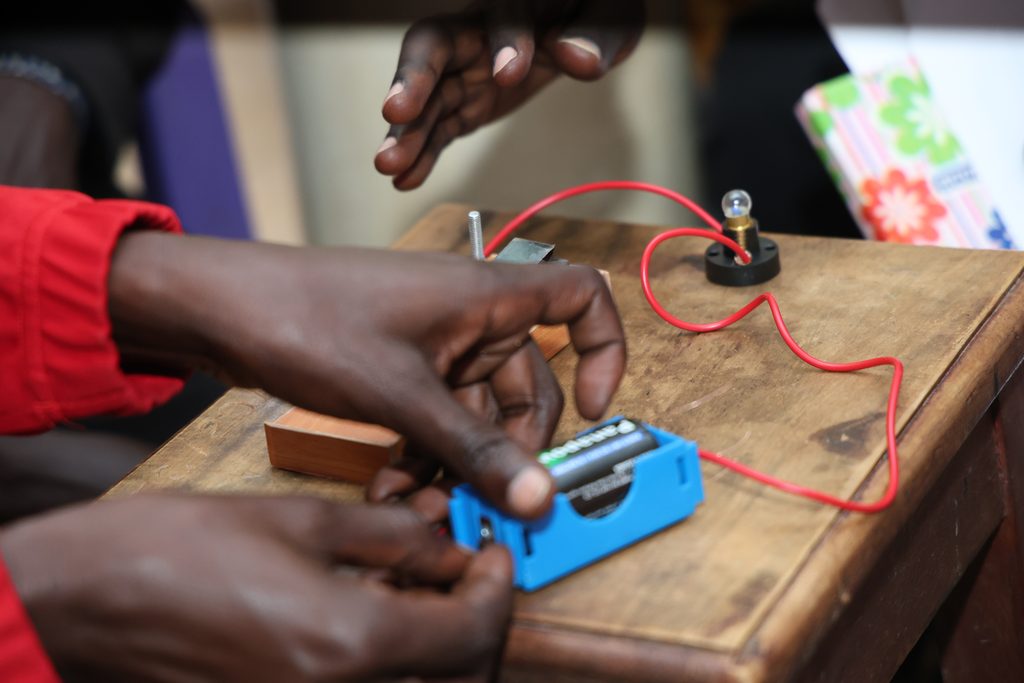
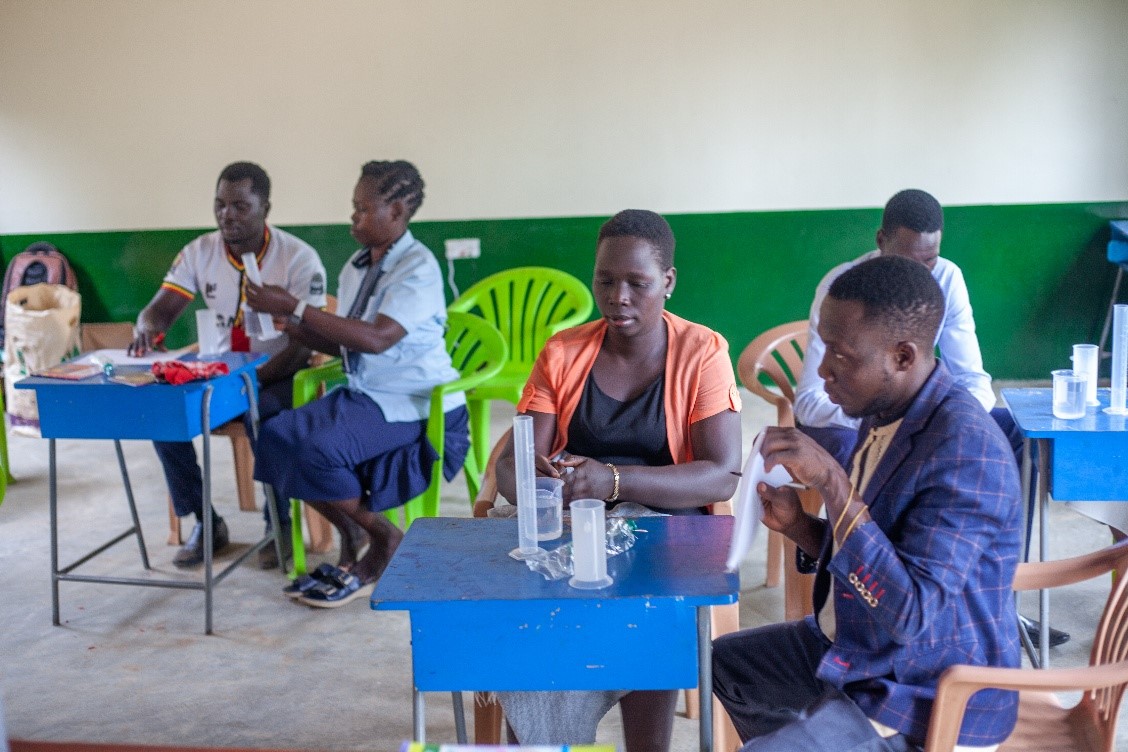
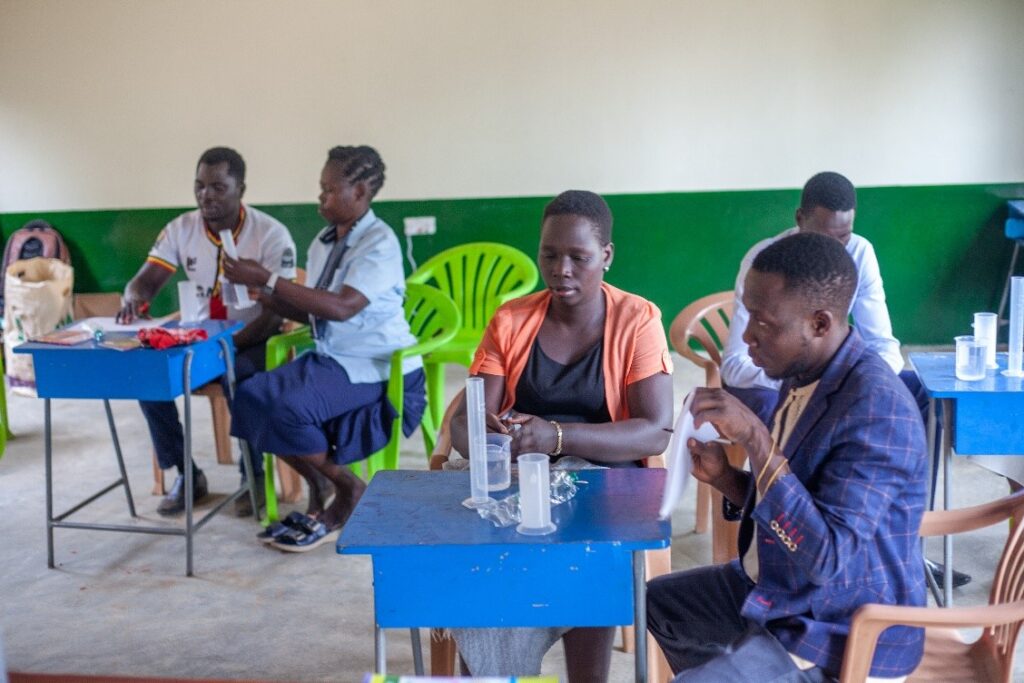
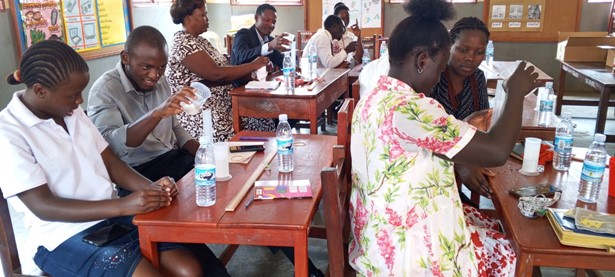
In a quiet classroom at West Nile Christian Nursery and Primary School, a group of teachers gathers to observe the primary science kit, examining wires, bulbs, and magnets with curiosity and cautious excitement. For many of them, this is more than just a training session; it is a shift from traditional chalk-and-talk teaching to hands-on, competence-based learning.
The primary science kit is changing the learning and teaching of science across Ugandan private and government schools, as schools adopt practical science kits aimed at improving science education at the primary level. Recent field training reports from West Nile, Luwero, and Hoima districts reveal both the promise and the persistent challenges of implementing this innovation.
At West Nile Christian Nursery and Primary School, nine teachers participated in a training session on July 1, 2026. The teachers expressed strong commitment to using it effectively. The head teacher described the kit as “worthy the cost,” signaling a growing recognition of the value of practical learning tools.
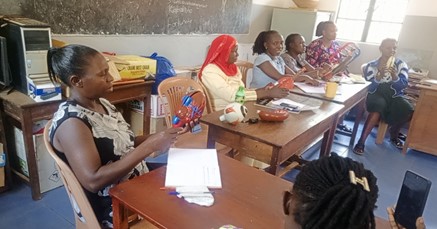
Similarly, at Hidden Glory Nursery and Primary School in Luwero, 11 teachers attended a training session despite the school being closed to learners at the time. The school, part of the Kibirige Group, had already invested in seven kits, demonstrating institutional confidence in the approach.
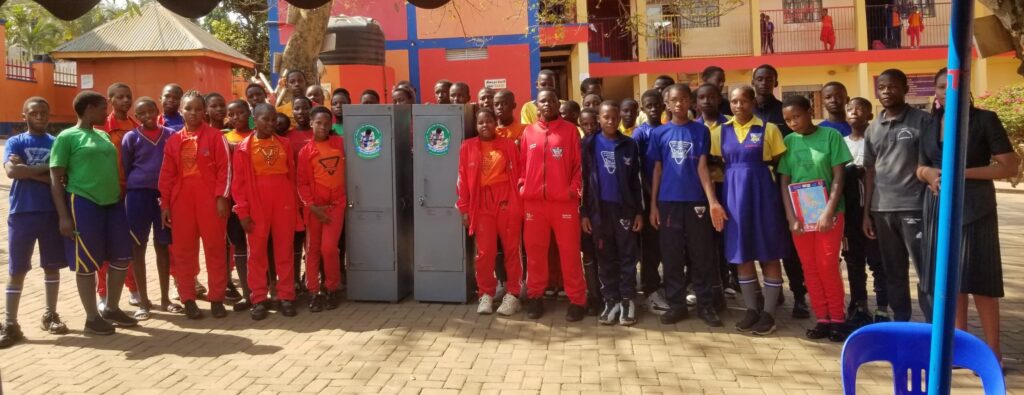
Golden Treasure Primary School in Hoima echoed this enthusiasm. Administrators not only supported the use of the kits but also expressed interest in expanding learning resources, particularly textbooks to complement the hands-on tools.
Across all three schools, one theme stands out: teachers are eager to embrace practical science teaching methods that engage learners actively, encourage teamwork, and deepen understanding.
Yet, beneath this enthusiasm lies a set of recurring challenges that threaten to undermine the effectiveness of the initiative.
One of the most consistent concerns raised across all schools is the quality and safety of materials. Teachers reported that magnetic nails included in the kits are “very sharp and pointed,” posing potential risks to young learners. Additionally, several wooden components lack proper labeling, making it difficult for teachers to guide experiments accurately.
Technical faults also emerged as a major issue. At West Nile, switches produced dim light and the digital thermometer was non-functional. In Hoima, digital weighing scales had depleted batteries, while a microscope arrived with a broken objective lens. Hidden Glory reported similar concerns, noting that their microscope was poorly assembled and at risk of further damage.
These issues highlight a critical gap between innovation and implementation,where access to tools does not always guarantee functionality.
The reports also reveal challenges beyond the kits themselves. In Luwero and Hoima, schools face a shortage of textbooks, limiting the ability to integrate practical experiments with theoretical learning.
Despite these challenges, the momentum behind practical science education remains strong. Teachers’ enthusiasm, school administrators’ willingness to invest, and the growing demand for quality learning materials signal an opportunity for transformation.
Experts recommend several immediate actions: improving the quality and labeling of kit materials, ensuring proper maintenance and replacement of faulty equipment, and addressing safety concerns. There is also a clear need to integrate textbooks and other learning resources to support the hands-on approach.
Equally important is strengthening operational support, ensuring that field teams are adequately facilitated and that logistical challenges do not hinder program delivery.
As Uganda continues to implement competence-based learning, initiatives like these science kits represent a critical step toward making education more practical, engaging, and relevant. However, their success will depend on how effectively challenges are addressed.
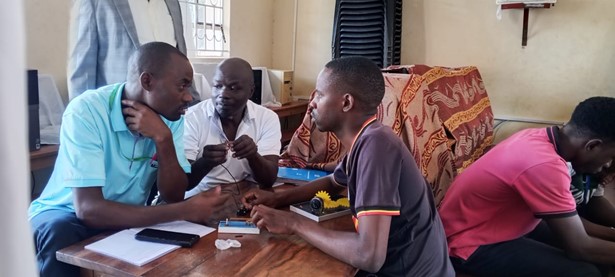
Back in West Nile, as teachers carefully connect wires and test circuits, the promise of change is tangible. With the right support, these small kits could spark a much larger transformation, one experiment at a time.