For years, science lessons in many primary schools across Pader District were largely theoretical, with teachers relying on chalkboards and textbooks to explain concepts that learners could hardly visualize. But that narrative is steadily changing following a major teacher training held at Paipir Primary School on Monday 23rd March 2026.
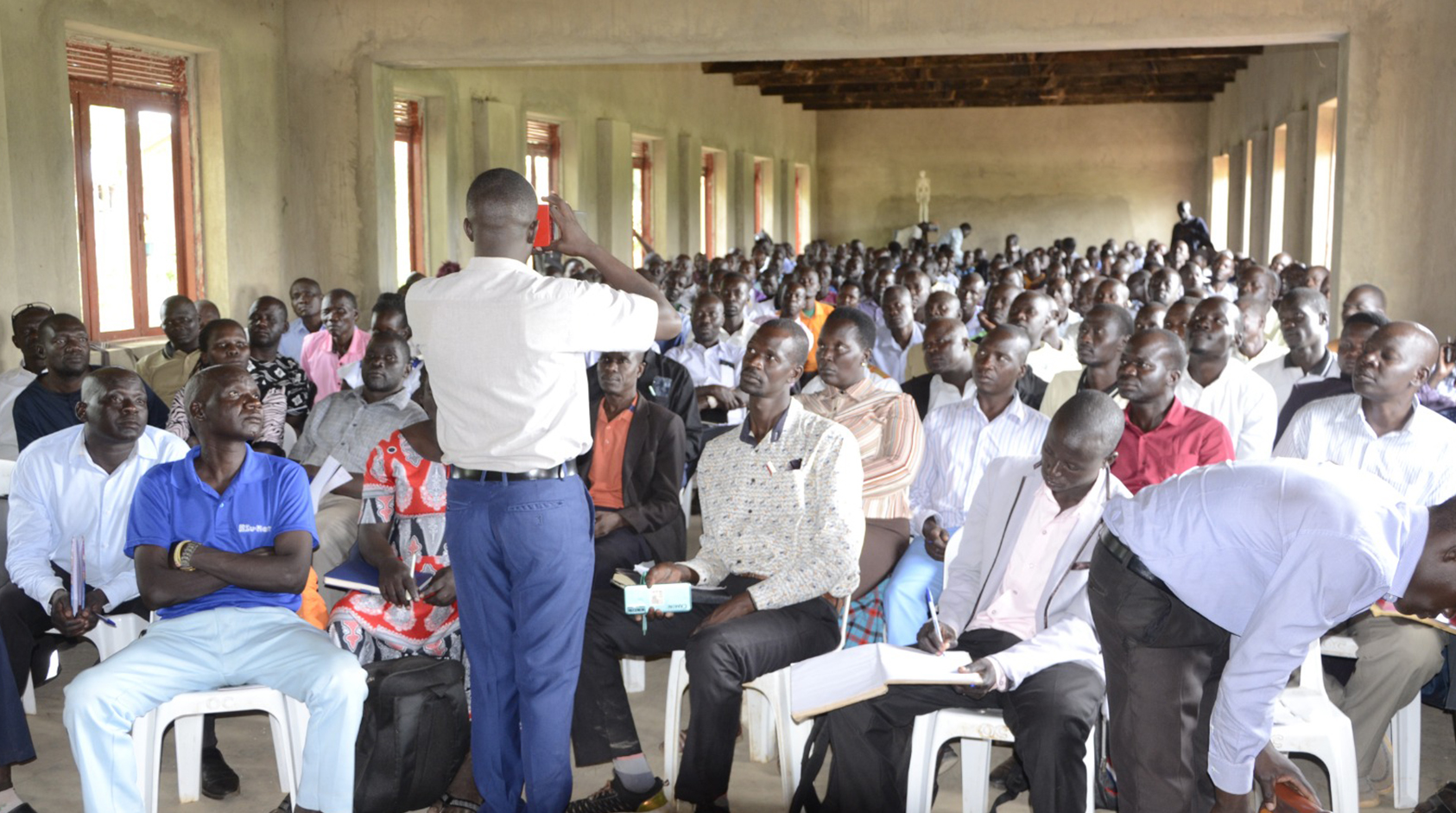
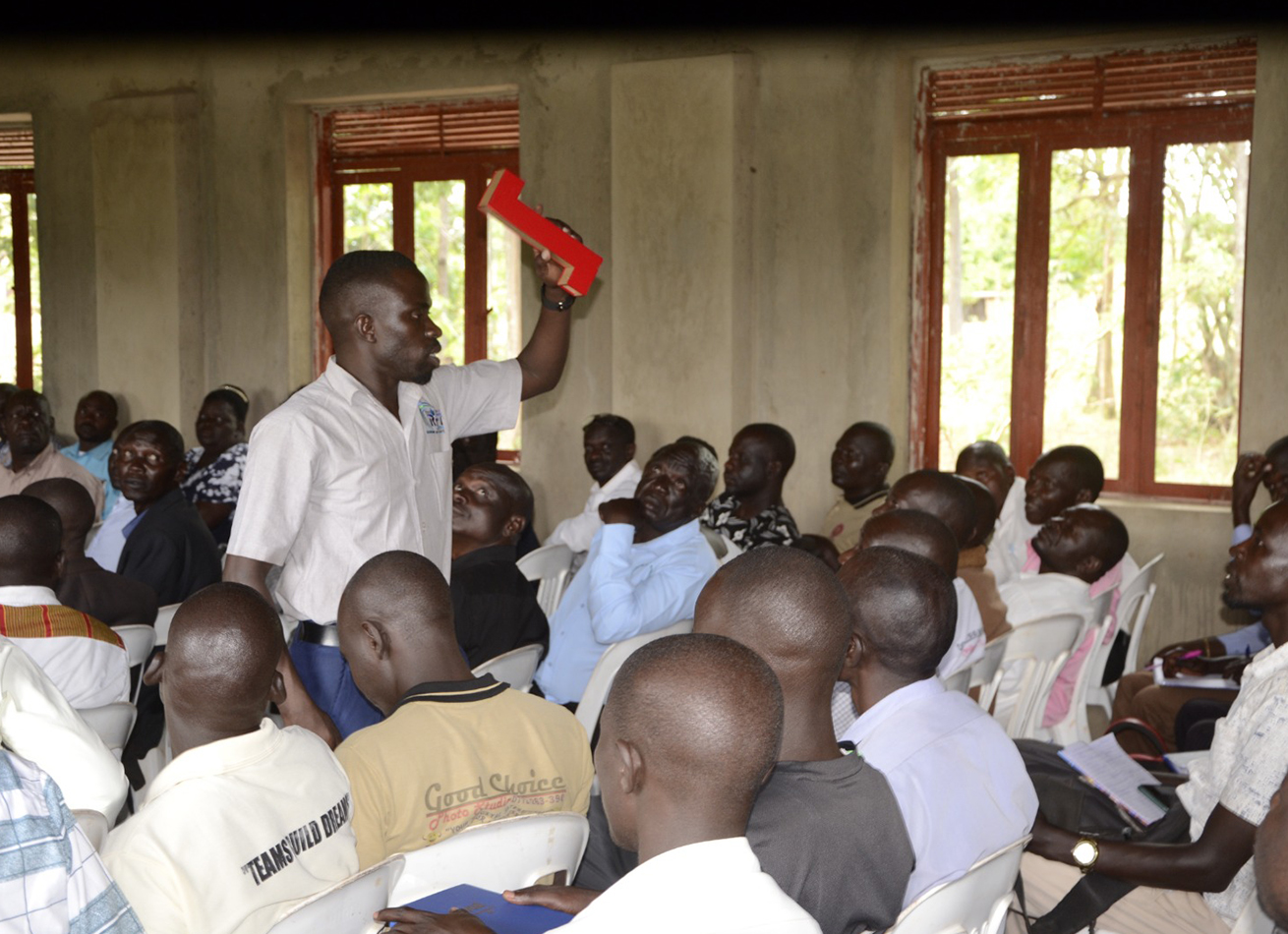
In a significant step toward transforming classroom learning, 190 primary school teachers,172 male and 18 females from government schools across the district gathered for a hands-on training on the effective use of the New Approach Primary Science Kits by River Flow International. The training brought together educators from schools both with and without the kits, creating a shared platform for learning, collaboration, and inspiration.
Pader District received the science kits during the 2023/2024 rollout by the Ministry of Education and Sports under the Basic Education Department, but like in many parts of the country, the equipment had largely remained underutilized. Limited orientation and confidence in handling the materials meant that many teachers continued to rely on traditional, theory-based instruction.
The training at Paipir Primary School sought to bridge that gap.
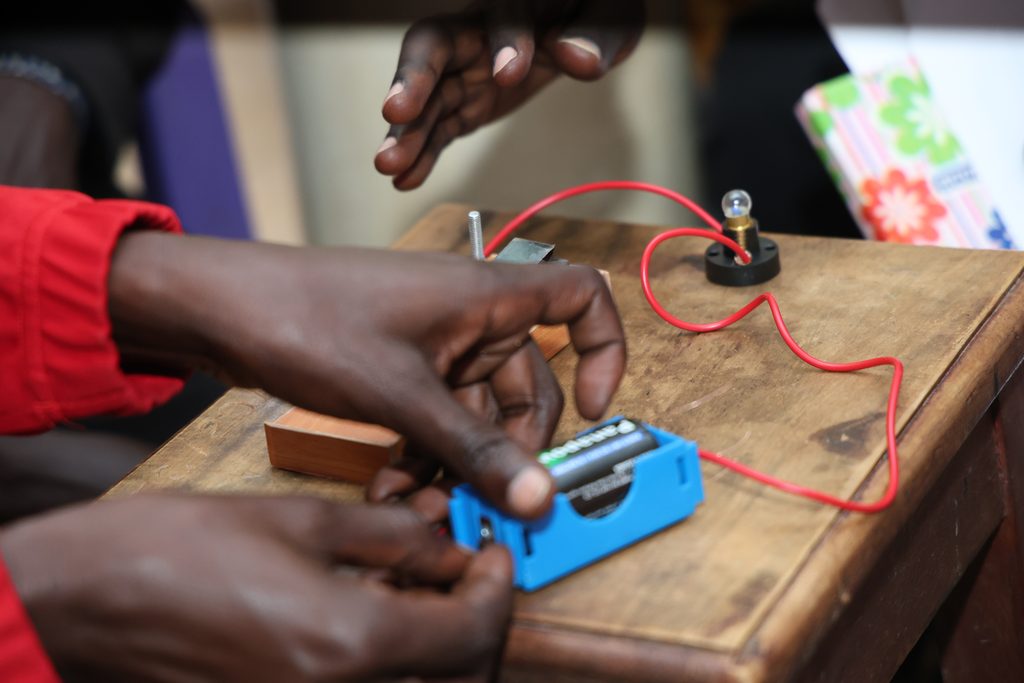
Facilitated by science education experts from River Flow International, the sessions focused on equipping teachers with practical skills to confidently use the kits in delivering engaging, learner-centered lessons. Through demonstrations, group activities, and real-time experiments, teachers experienced firsthand how science can move from abstract ideas to tangible understanding.
The inclusive nature of the training, bringing together teachers regardless of whether their schools had already received kits was intentional. It ensured that even schools yet to access the equipment are prepared in advance, while also encouraging peer learning and knowledge sharing across the district.
Education stakeholders believe this approach will accelerate the integration of practical science in classrooms, ultimately improving learners’ comprehension and performance.
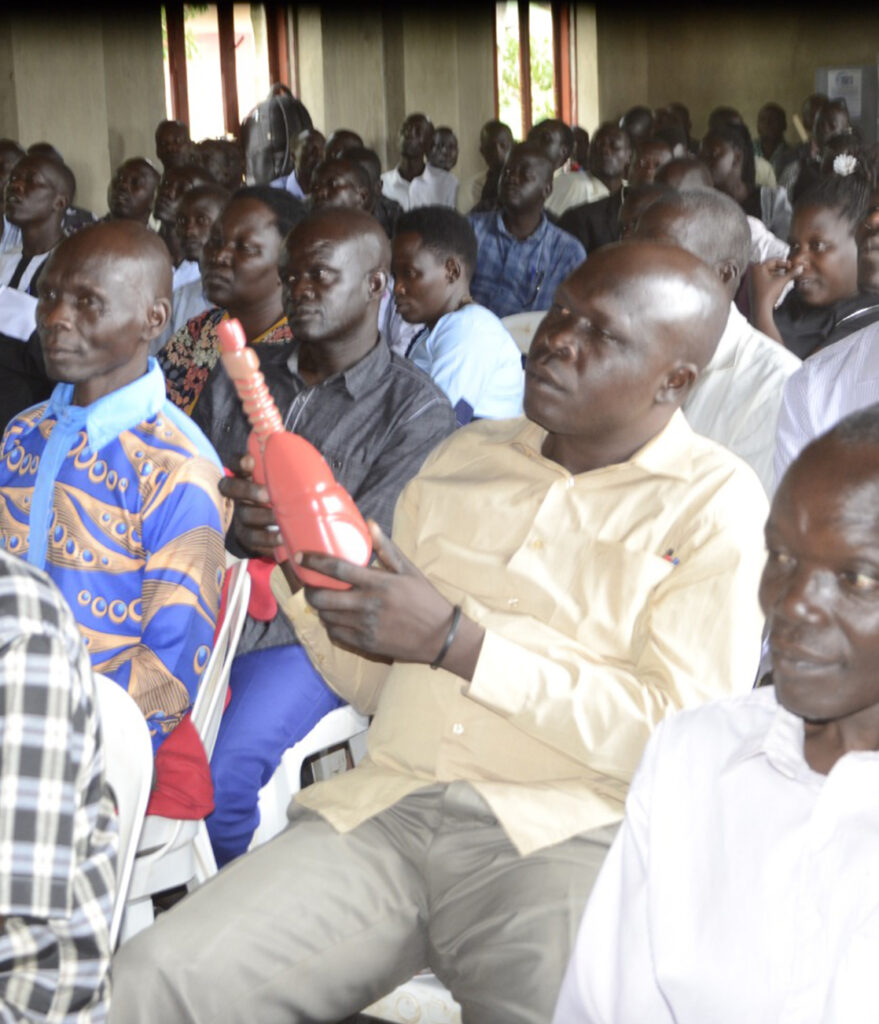
“This training has opened our eyes,” one participating teacher shared. “We have had these materials, but we didn’t fully understand how to use them. Now we see how our learners can observe, experiment, and enjoy science.”
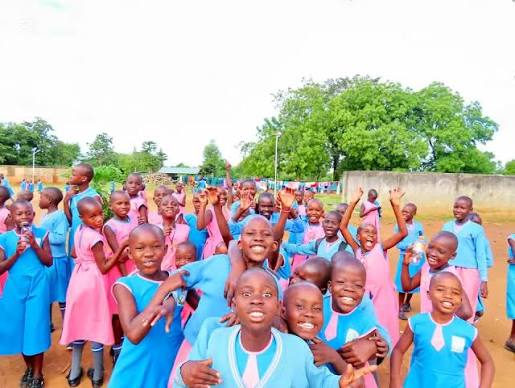
The shift is also expected to spark curiosity among pupils, encouraging them to ask questions, explore their environment, and develop critical thinking skills at an early age.
As teachers return to their respective schools, the DEO Ms. Alanyo Margret has urged the teachers to be the champions and ambassadors of enhancing science education in the district. She further said that the impact of the training is already being anticipated. Classrooms that once relied solely on verbal explanations are set to become interactive spaces where learners engage directly with scientific tools and experiments.
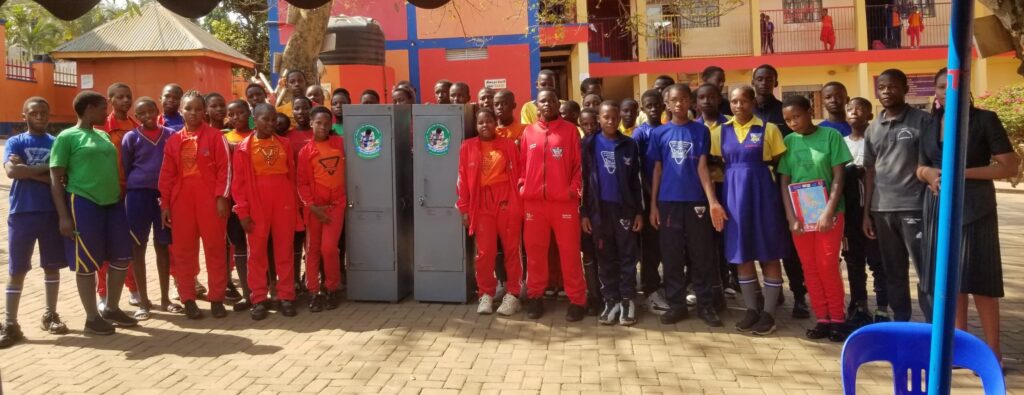
For Pader District, this marks more than just a training it signals the beginning of a transformation. A move from locked cupboards to active laboratories. From memorization to discovery. From teaching science as theory to experiencing it as a living, practical subject.
With empowered teachers at the center of this change, the future of science education in Pader looks more promising than ever.