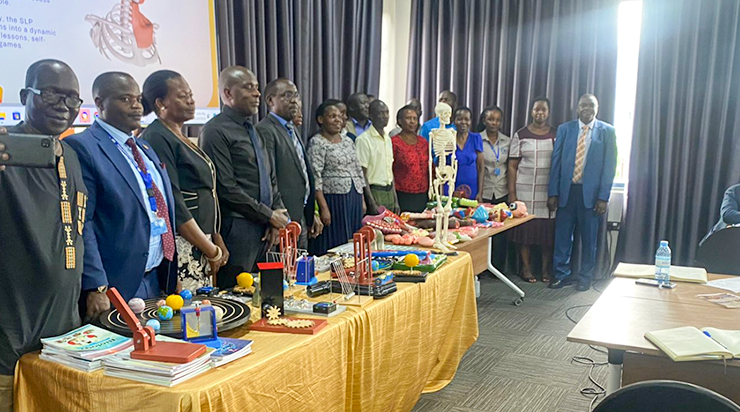
River Flow International (RIFI) proudly participated in the Secondary Education Technical Working Group workshop organized by the Ministry of Education and Sports. Under the theme “STEM Tools in the Lower Secondary Curriculum,” RIFI presented innovative strategies and tools to enhance STEM education.
The presentation provided actionable insights into how STEM resources can transform science and mathematics instruction, making learning more interactive and accessible for teachers and students alike.
During the session, RIFI emphasized the importance of using hands-on STEM tools to bridge the gap between theory and practice. By encouraging learners to explore real-world applications of STEM concepts through experimentation and problem-solving, these tools foster deeper understanding and engagement.
By incorporating affordable and easy-to-use kits, experiments, and digital resources, teachers can simplify complex concepts, promote creativity, and spark curiosity among learners. This approach aligns with Uganda’s national goal of building critical-thinking skills in secondary education, fostering learners who are future-ready for innovation and entrepreneurship.

Teacher Capacity Building Programs
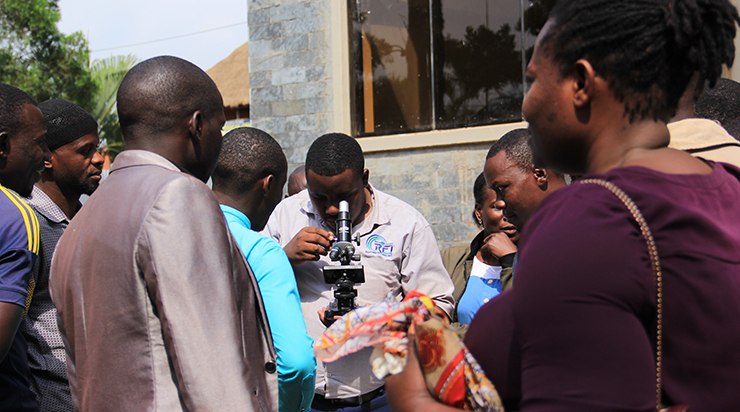
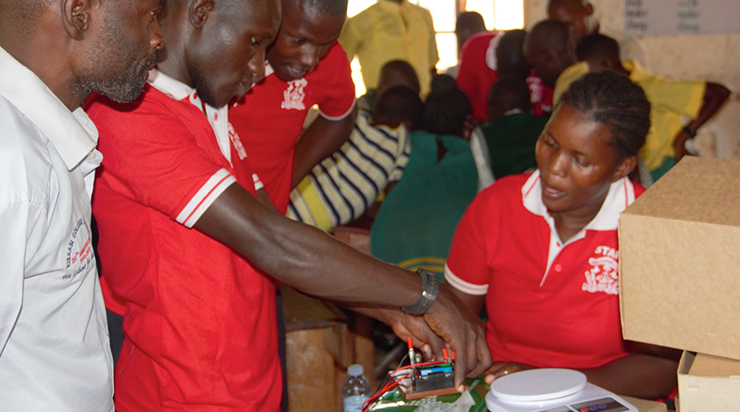
RIFI’s presentation also highlighted its ongoing Teacher Capacity Building programs, showcasing how educators can integrate STEM tools into the curriculum effectively. Drawing from extensive experience in training teachers—including recent workshops at Ndejie Quality Schools—RIFI shared best practices on using science kits and practical teaching resources to elevate classroom engagement.
The presentation underscored the importance of collaborative efforts between educational institutions, non-profit organizations, and community stakeholders. RIFI’s work with partners like Science Teaching and Innovations Africa (STIA) and the Ministry of Education and Sports has been pivotal in driving educational reform in Uganda, especially in rural and under-resourced communities.
These partnerships enable RIFI to scale its impact by creating sustainable models for STEM education. The goal is to establish a network of well-equipped educators who can inspire young learners to excel in STEM disciplines and thrive in a technology-driven future.
As part of its broader mission, RIFI aims to transform the educational landscape by integrating STEM tools into classrooms across Uganda. The organization envisions an education system where all learners—regardless of their background—have access to hands-on learning opportunities that build essential skills like critical thinking, problem-solving, and collaboration.
“Empowering teachers with the right tools and knowledge is essential for meaningful change in education. By giving teachers practical training, we ensure that they not only deliver lessons effectively but also nurture future innovators and problem-solvers.”
RIFI Lead Facilitator Stuart Nabasa
With continued efforts in teacher training, curriculum support, and strategic partnerships, RIFI is confident that Ugandan learners will be better prepared to excel in national assessments and pursue STEM-related careers.
The success of RIFI’s presentation at the Secondary Education Technical Working Group workshop reflects its unwavering commitment to advancing education through innovation, research, empowerment, and collaboration. As the organization continues to expand its outreach and impact, it remains focused on inspiring a new generation of learners and supporting educators with the resources they need to succeed.
River Flow International encourages education stakeholders, schools, and partners to join hands in this transformative journey to promote STEM education and unlock Uganda’s potential.
Follow River Flow International for updates on upcoming programs, events, and initiatives in education and community development.

Some leaders consider business and technology objectives interchangeable, allowing one to inform the other. Those that align their information technology systems with their overall business strategy have the best chances of achieving their short- and long-term objectives.