River Flow International, in partnership with the Ministry of Education and Sports (MoES), is revolutionizing primary science education through the Science Kit Innovation — a ground-breaking initiative designed to empower teachers with practical tools, transform classrooms into mini-laboratories, and inspire a new generation of creative, hands-on learners across Uganda.
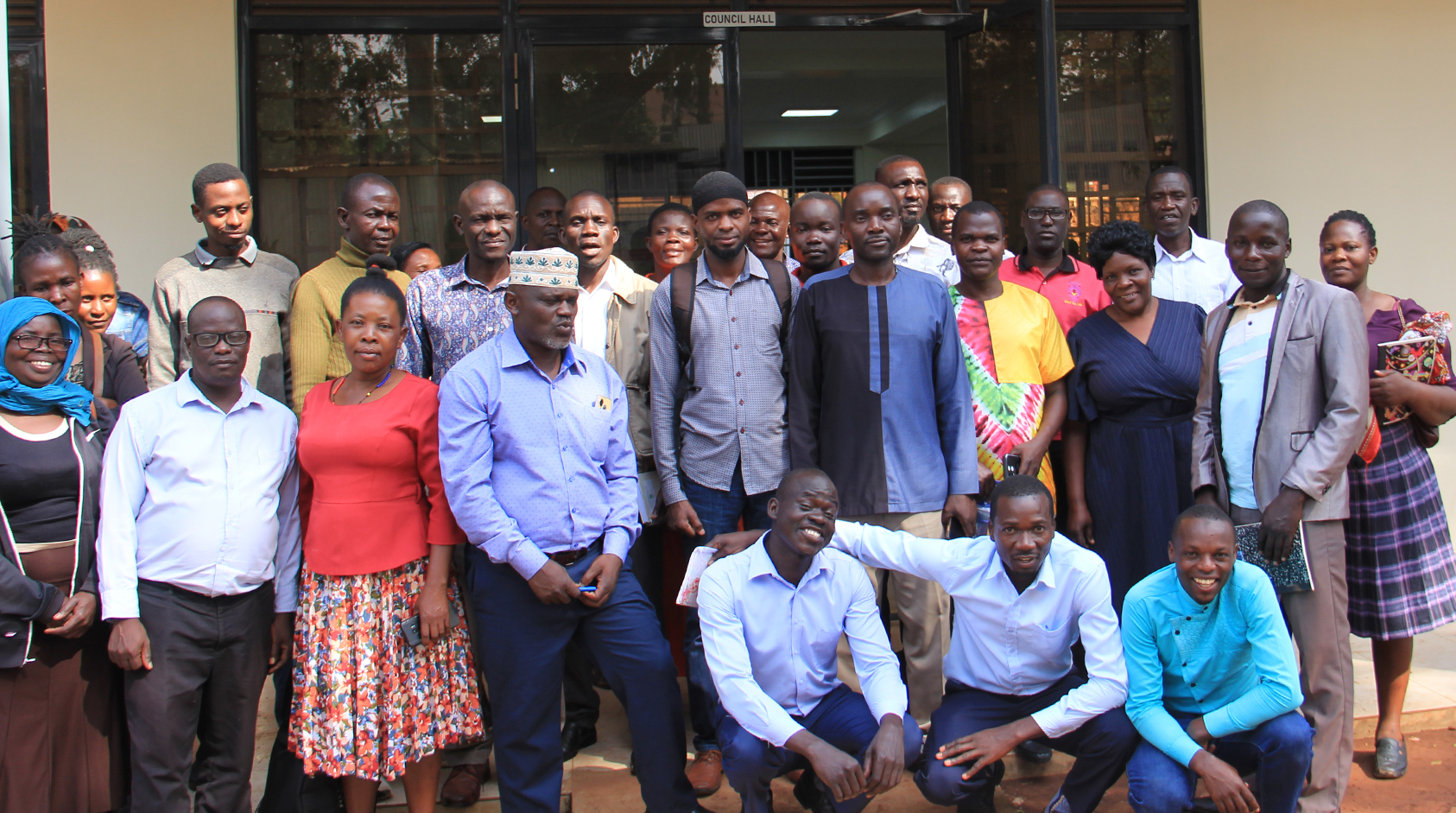
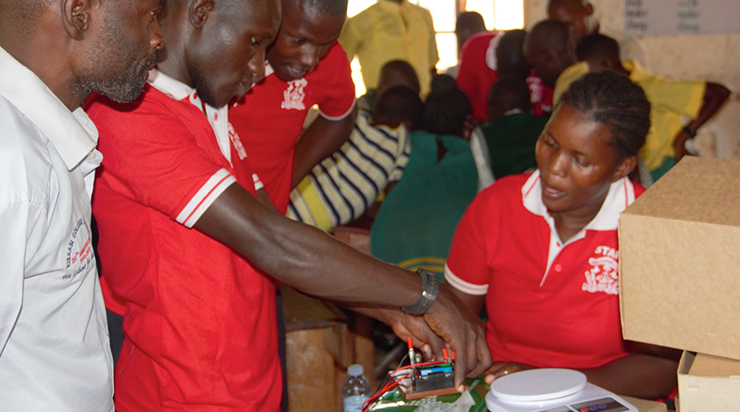
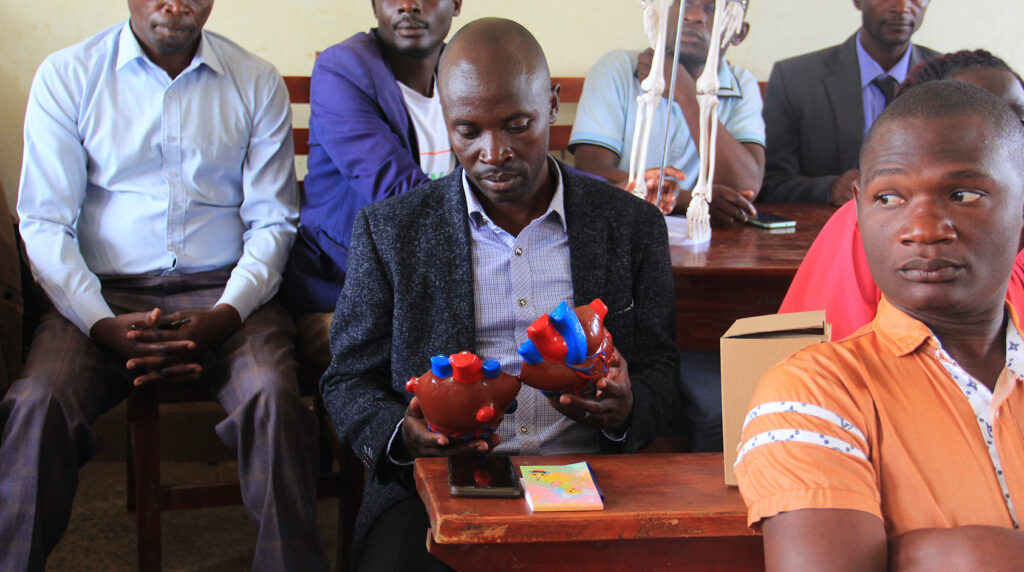
Through a series of teacher capacity-building workshops held in Mukono Municipal Council, educators have been equipped with the knowledge and skills to effectively integrate practical science into their classrooms. This initiative is bridging the gap between theory and practice, giving pupils the opportunity to explore, experiment, and understand scientific concepts in real time.
For years, many primary school teachers struggled to teach science effectively due to a lack of essential teaching aids. Lessons that required demonstrations were often replaced by improvised explanations, leaving learners without the hands-on experience needed to truly understand scientific principles. Today, that challenge is being addressed through the Science Kit Project and the impact is already visible.

Empowering Teachers. Inspiring Learners. Redefining Science Education.
Wambuzi Ronald, a teacher at Nsambwe C/U Primary School, shared his excitement about the transformation:
He adds, “I encourage all my fellow teachers who have received the kits to make full use of them to improve science teaching in our primary schools.”
“With the science kits, teaching will now be practical, enjoyable, and full of enthusiasm. It introduces a laboratory experience into the primary section. Our learners will enjoy discovering new things, and science will come alive. I thank the Ministry of Education and Sports for this initiative and River Flow International for the innovation. It is a major step forward in improving science education in Uganda.”
The Science Kit approach underlines River Flow International’s mission to bridge the gap between theory and practice in education. By equipping teachers with practical tools and training, the organization is strengthening Uganda’s foundation for science learning, promoting critical thinking, and inspiring innovation among young learners.
Through its collaboration with MoES, River Flow International is not only improving classroom instruction but also building teachers’ confidence to deliver impactful lessons. This initiative is a strong step toward achieving Uganda’s goal of enhancing STEM education and nurturing problem solvers for the future.
River Flow International continues to collaborate with the Ministry of Education and Sports and other partners to ensure that every learner, regardless of background, gains access to meaningful, hands-on science learning experiences that prepare them for a changing world.
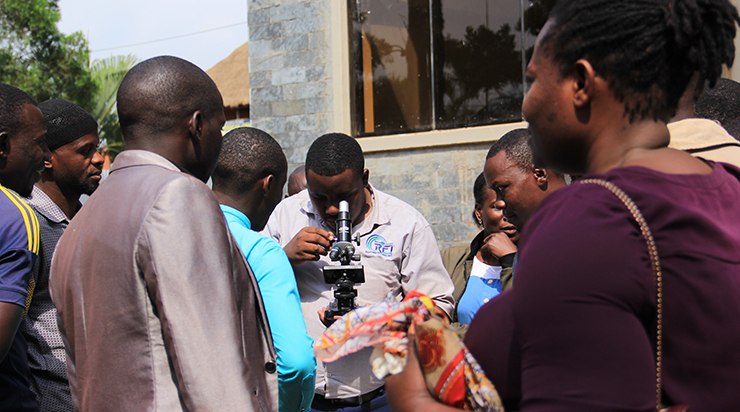
"The kit contains the tools we have been missing in our teaching. Previously, we taught science in ways that left some topics inadequately handled due to scarcity of teaching aids. We used to teach about the microscope without having one at our school. Topics like light energy and beams of light were taught abstractly, but now, with the kits provided through the Ministry of Education and Sports, learning will be real and practical."
Teacher, Nsambwe C/U Primary School Wambuzi Ronald
Headteachers also expressed appreciation for the initiative. Naluyuba Winfred, headteacher at Kati Primary School, shared how this project is reshaping the learning environment:
“We are among the 1,955 lucky schools in Uganda selected by the Ministry of Education and Sports to receive science kits. I am deeply grateful to River Flow International for this innovation and the training that empowered us to confidently conduct practical lessons.”
She continued, “Previously, we taught science in abstract terms, but now our pupils will learn by seeing and doing. This innovation will make our learners more creative and innovative. We have learnt a lot from the training, and our classrooms will never be the same again.”
For Kazibwe William, a teacher at Nyengye C/U Primary School, the training brought a new level of excitement to science teaching.
“The training has been so interesting and excellent. It has equipped us with both knowledge and practical skills for teaching science effectively. Before, science teaching was mostly about improvisation; we lacked real materials and relied on charts, yet some of us are not good at drawing.”
“With the science kits, teaching will now be practical, enjoyable, and full of enthusiasm. It introduces a laboratory experience into the primary section. Our learners will enjoy discovering new things, and science will come alive. I thank the Ministry of Education and Sports for this initiative and River Flow International for the innovation. It is a major step forward in improving science education in Uganda.”
Nangono Eva, a teacher at Bishop East Primary School, described the training as an eye-opener that will transform how lessons are delivered.
“The science kit training by River Flow International was very good. The facilitators taught us how to conduct practical lessons using items from the kit. Before, I used to improvise but lacked most teaching aids, so lessons had few illustrations. With the kits, lessons will now be more practical and engaging. It will be easier to prepare lessons, prove scientific facts, and help learners understand better.”
She concluded with gratitude: “I sincerely thank the Ministry of Education and Sports for providing the kits and River Flow International for this innovation that will help us teach science better than ever before.”
(Additional image captions from the page include things like: “Mr. Stuart Nabaasa, Technical Program Manager River Flow International showing teachers how the Microscope works during teachers’ training in Mukono.”)
This compiles the core narrative in sequence as the screenshots progress down the page, with quotes and testimonials appearing after the introductory sections. The article highlights the positive impact of the science kits and teacher training in Mukono, Uganda.

We didn’t invent the term “fools with tools.” Still, it’s a perfect definition for the practice of buying a stack of sophisticated cybersecurity technology that’s impossible to manage without an MSP or the budget of a Fortune 500 IT department.